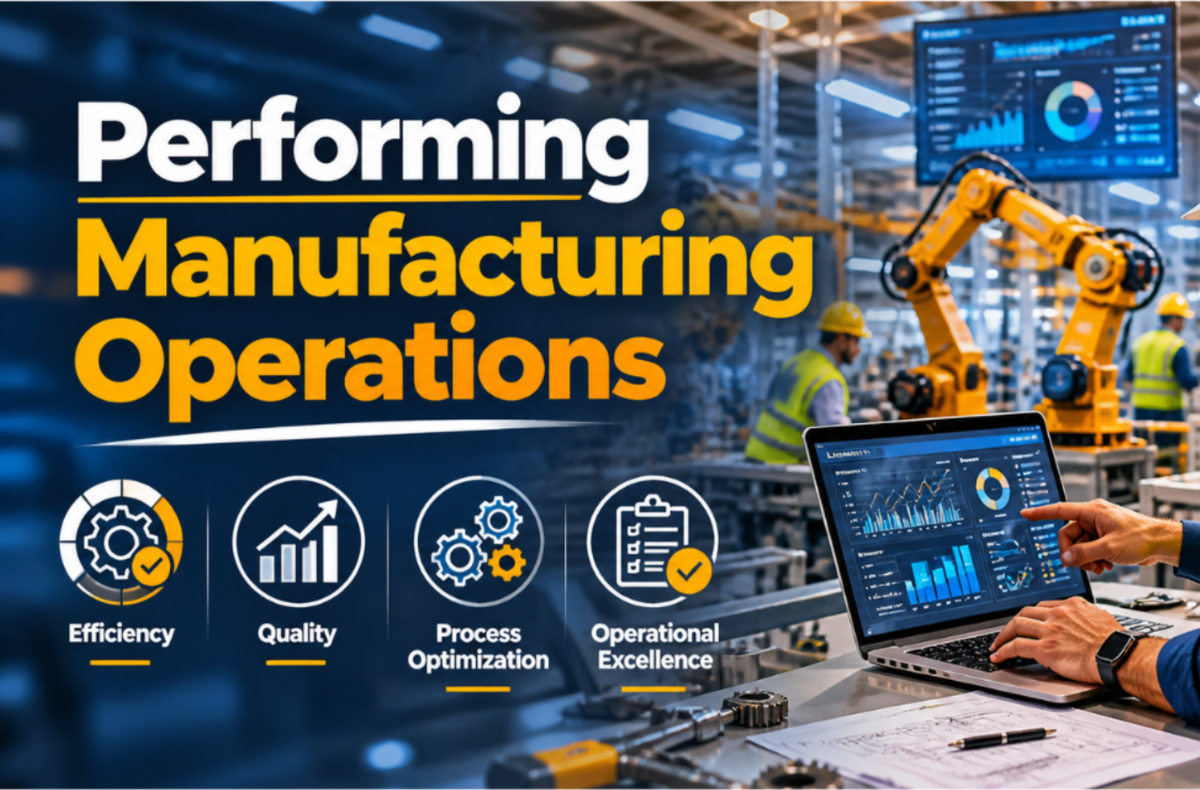
Launching a production line is a high-stakes step where small misjudgments can quickly turn into costly setbacks. Many teams enter this phase with strong ideas but limited clarity around processes, terminology, and execution standards for performing manufacturing operations. That gap often leads to inefficiencies, quality issues, and delays that could have been avoided with the right foundation.
Performing manufacturing operations demands precision, consistency, and a clear understanding of how each stage of production connects to the next. From workflow design to workforce readiness, every decision directly influences output quality, cost control, and operational stability. Establishing structured processes early is not optional. It is what separates scalable operations from reactive ones.
Key Takeaways
- Launching a production line requires a clear understanding of processes and standards to avoid costly mistakes in performing manufacturing operations.
- Beginners often make key mistakes, such as neglecting training, quality control, and equipment maintenance, which can hinder efficiency and output quality.
- Implement clear documentation and continue to adapt processes for compliance and continuous improvement to enhance manufacturing operational performance.
- Using recognized qualifications, such as NVQs, ensures that staff are skilled in performing manufacturing operations, boosting competence and safety.
- Optimize your supply chain by building strong vendor relationships and tracking key performance metrics to streamline operations effectively.
Table of Contents
- 7 Mistakes in Performing Manufacturing Operations
- Mistake 1: Ignoring Training and Skill Development
- Mistake 2: Neglecting Quality Control
- Mistake 3: Inefficient Supply Chain Management
- Mistake 4: Overlooking Equipment Maintenance
- Mistake 5: Ignoring Human Error and Workplace Design
- Mistake 6: Failing on Compliance and Documentation
- Mistake 7: Resisting Continuous Improvement
- Achieve Excellence in Performing Manufacturing Operations
- FAQs
7 Mistakes in Performing Manufacturing Operations
Here are the 7 most critical mistakes beginners make when performing manufacturing operations, and how to avoid them. Including practical insights into streamlining production, aligning teams, and managing resources effectively so your operation runs with confidence, control, and long-term efficiency.
Mistake 1: Ignoring Training and Skill Development
A skilled workforce forms the foundation of any successful plant. When you overlook proper training, efficiency drops. Untrained personnel cause defects and slow down production.
Build competence with structured manufacturing operations training programs. Industry standards like the NVQ provide clear paths for worker development. These credentials ensure that your team understands the basics of handling manufacturing equipment and workplace safety procedures.
Understanding NVQ Qualifications
You can benchmark skills using recognized qualifications for performing manufacturing operations. Here is a breakdown of the standard levels.
| Qualification Level | Target Audience | Core Focus | Total Credits |
|---|---|---|---|
| Level 1 | New recruits and beginners | Entry-level manufacturing skills checklist, moving materials, basic safety | 37 |
| Level 2 | Existing employees | Enhancing manufacturing operations skills, operating computer-controlled equipment | 48 |
Pursuing an NVQ Level 2 performing manufacturing operations ensures operators handle complex tasks safely. Provide a clear career path in manufacturing operations to keep top performers engaged.
Mistake 2: Neglecting Quality Control
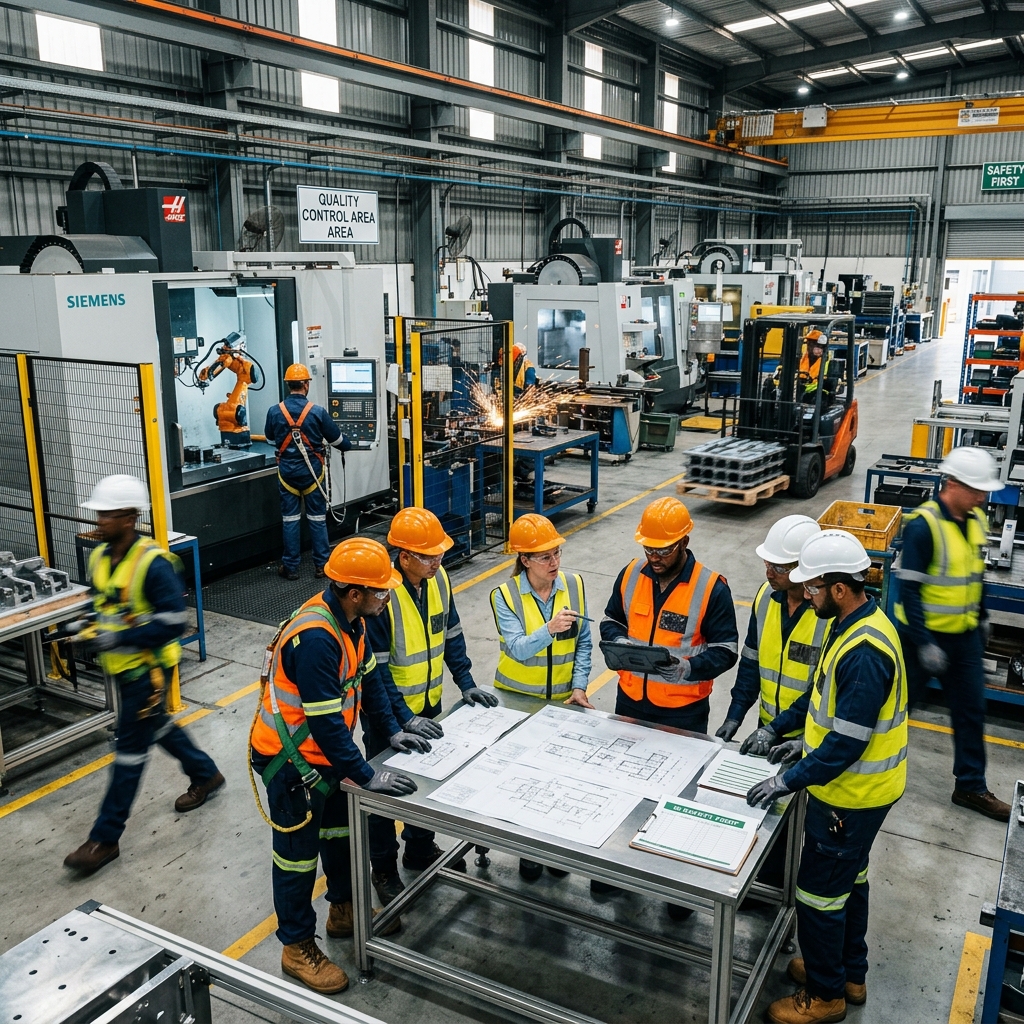
Quality control in manufacturing operations protects your brand. Beginners often rely on informal checks instead of strict procedures. This leads to inconsistent products and expensive rework.
You must follow standard operating procedures for manufacturing. Document every step. When you skip documentation, you lose traceability. Create checklists. Implement production line efficiency techniques to catch defects early. By enforcing these rules, you guarantee that operators manufactured meet performance requirements perfectly every time.
Mistake 3: Inefficient Supply Chain Management
Supply chain issues disrupt your manufacturing operational performance. Beginners often chase the lowest price for raw materials. This “price-first” approach introduces delays and poor-quality inputs.
Look beyond the factory walls. Monitor non-manufacturing operational performance to see how suppliers impact your floor. Optimize the performance of the manufacturing operations sourcing strategy. Build strong relationships with reliable vendors. Better supply chain management directly supports performing manufacturing operations workflow optimization.
Mistake 4: Overlooking Equipment Maintenance
Well-maintained machines run faster and safer. Neglecting equipment creates unpredictable breakdowns. You lose time. You lose money.
Maximize manufacturing equipment performance and operational efficiency with routine maintenance. Track key performance indicators for manufacturing operations management to spot machine wear early.
Essential Maintenance Metrics
Track these manufacturing operations performance metrics to keep your plant running.
| Metric | Target Benchmark | What It Measures |
|---|---|---|
| Overall Equipment Effectiveness (OEE) | >85% | Availability, performance, and quality combined. |
| Mean Time Between Failures (MTBF) | Increasing trend | Average operational hours between equipment breakdowns. |
| First Pass Yield (FPY) | >98% | Percentage of units passing quality checks without rework. |
Use software for performing manufacturing operations management to track these numbers. Data-driven maintenance prevents surprises.
Mistake 5: Ignoring Human Error and Workplace Design
Poor workplace design causes mistakes. Beginners struggle when workstations are cluttered or confusing. Human error accounts for the vast majority of process deviations.
Understand the types of errors:
- Slips: Execution failures, like pressing the wrong button.
- Lapses: Memory failures, like forgetting a routine step.
- Mistakes: Decision errors caused by poor knowledge.
- Violations: Deliberate deviations to save time.
Reduce errors using best practices for shop-floor operations. Organize workstations clearly. Implement error-proofing devices so that parts fit together only one way. Clear design limits mistakes and supports health and safety in performing manufacturing operations.
Mistake 6: Failing on Compliance and Documentation
Regulations keep your workers and customers safe. Ignoring manufacturing compliance and regulations brings heavy fines and legal trouble.
Beginners often view paperwork as a burden. Change this mindset. Accurate documentation proves your processes work. Track operations performance metrics manufacturing closely. Clear records help troubleshoot the production process when defects occur. Document your standard procedures and stick to them.
Mistake 7: Resisting Continuous Improvement
Static processes become obsolete. Failing to adapt leads to stagnation. Continuous improvement in manufacturing keeps you competitive.
Adopt lean manufacturing principles. Identify waste and remove it. Analyze manufacturing process examples from industry leaders to find new efficiencies. Implement process improvement in production constantly. Listen to your floor workers. They understand the roles and responsibilities of daily manufacturing operations better than anyone. Use their feedback to refine your systems.
Achieve Excellence in Performing Manufacturing Operations
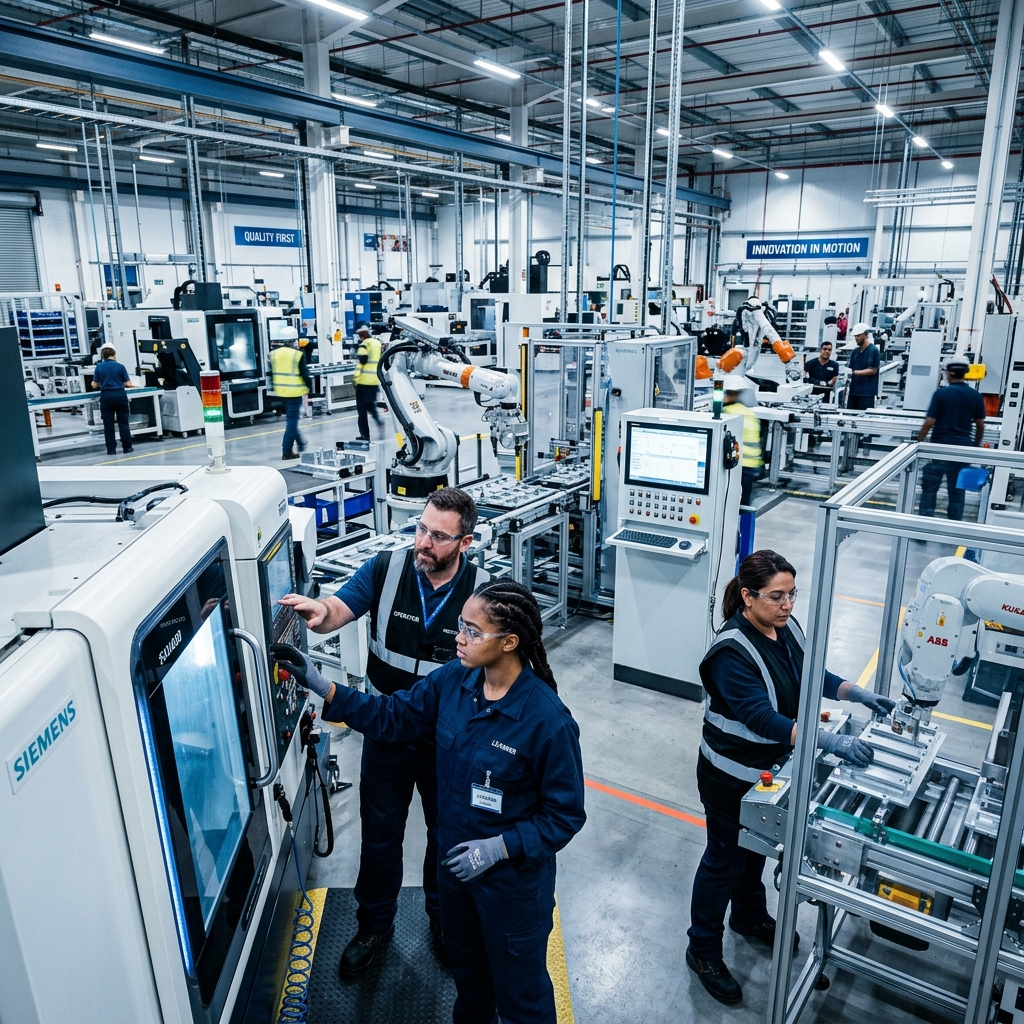
Build a better production floor. Train your people. Maintain your equipment. Track your data. Avoid these common manufacturing mistakes and solutions to protect your output. Performing manufacturing operations at level 2 standards gives you a clear framework for success.
FAQs
The Performing Manufacturing Operations NVQ is a vocational qualification. It proves an operator has the practical skills and knowledge to carry out manufacturing tasks safely and efficiently.
You track performance using key metrics like Overall Equipment Effectiveness (OEE) and First Pass Yield. These numbers reveal how well your equipment and processes function.
Continuous improvement reduces waste and lowers costs. Performing manufacturing operations helps your team find small, daily efficiencies that compound into massive operational gains over time.
Human error typically stems from poor workplace design, inadequate training, fatigue, and unclear standard operating procedures.
Improve the efficiency of manufacturing operations by training your staff, standardizing your procedures, proactively maintaining your equipment, and using lean manufacturing strategies to eliminate waste.