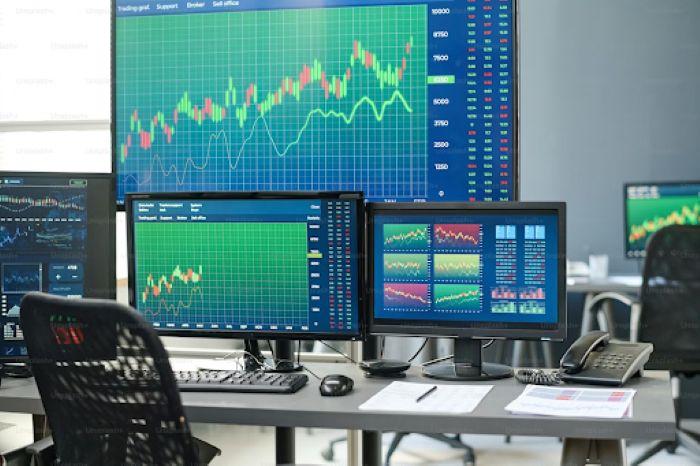
In the geopolitical energy game, no platform has been left unaltered; each has been adapted to an uphill battle of the 21st century. Previously, large-scale thermal power plants featured supply schedules assigned over the phone and static spreadsheets filled out manually. However, today’s energy trading platforms reflect the faster, smarter solutions required by the modern energy landscape.
Renewable energy sources have introduced a wind of change into a previously static system. Factors like a cloud shadowing the sun over a panel farm or an unexpected calm on the North Sea coast may create a megawatt shortage, leading to skyrocketing prices. To avert this outcome, data analytics outsourcing to N-iX experts is necessary.
Key Takeaways
- The energy sector now faces challenges from renewable sources and extensive data generation, necessitating advanced data analytics solutions.
- N-iX proposes the ‘Data as a Product’ model, turning raw data into structured sets for more effective decision-making.
- Next-gen platforms utilize predictive analytics and machine learning to optimize trading and maintenance strategies in real-time.
- The shift towards decentralized energy trading and the use of large language models enhances operational efficiency and decision-making accuracy.
- Digital transformation in energy management emphasizes data migration, progressive analytics, and intelligent automation to meet modern demands.
Table of contents
Why Outdated Systems Are Going Blind
The current energy landscape is tangled with millions of sensors. Smart meters, IoT controllers, wind turbine telemetry, weather radars, and logistics trackers generate colossal volumes of unfiltered data, at scales previously unprecedented even in big enterprises. However, terabytes of information are impractical if stored in silos.
The catch is that generation data may be located in one system, customer consumption data in another, and spot market quotes can be loaded with a delay. In the world of algorithmic trading, where decisions should be made in milliseconds, such fragmentation can prove fatal.
Next-gen energy trading platforms are shifting the management paradigm to the “Data as a Product” concept, which N-iX can bring to the table. The essence of this approach is that any raw logs are altered into well-structured and accessible data sets, ready for consumption by machine algorithms. This way, all decisions are based on a unified data source while saving resources.
From Sensor Chaos to Predictive Trading
To comprehend how these technologies operate in practice, N-iX engineers are deploying software solutions for the energy sector, leveraging the cloud expertise of top-of-the-line providers. Imagine a European energy provider struggling to manage a mixed portfolio of assets, including gas turbines, hydroelectric power plants, and distributed solar panels.
Consequently, the company suffered considerable financial losses due to imbalance penalties. If a supplier committed to providing a certain amount of megawatts to the grid at a specific hour but failed to do so, they were obligated to purchase the shortfall at exorbitant prices.
To address this issue, an end-to-end data collection infrastructure is being built. Once the data is cleaned and standardized, advanced analytics come into play. Using one-of-a-kind cloud tools, developers train predictive machine learning models.

The most compelling thing occurs at the intersection of forecasting and trading, when the energy trading platforms integrate with trading marketplaces via an Application Programming Interface (API). For instance, if the model predicts a sharp drop in wind speed in half an hour, the platform’s algorithm immediately calculates the future shortfall in the company’s portfolio.
What Distinguishes an Advanced Platform Today
It is no longer sufficient to gather data and create picture-perfect visuals in analytical systems. The N-iX team is rolling out solutions in energy products that seemed unimaginable just yesterday, expanding the scope of standard trading.
One such area is predictive equipment maintenance, which serves as an element of a trading strategy. The integration of computer vision and vibration sensors allows AI to identify microdefects in equipment weeks before a potential breakdown. This information is instantly sent to the trading platform’s risk management module, and the algorithm adjusts the volumes of long-term futures contracts, hedging the company against force majeure.
Another progressive trend is decentralized peer-to-peer trading and asset tokenization. The digital transformation of energy is increasingly moving toward a concept where the energy consumer is also the producer, for example, if we’re talking about a factory owner with a solar roof.
Modern energy trading platforms use elements of distributed ledgers and smart contracts to create local exchange networks. Market participants can automatically sell surplus energy to each other, bypassing large energy monopolies.
A real breakthrough has been the incorporation of large language models in engineering and trading processes. Today, finely tuned artificial intelligence models are capable of analyzing thousands of pages of technical reports, error logs, and market regulations.
A platform operator or trader can submit a query in plain English to find out which asset is most vulnerable to a drop in gas prices at a particular hub this weekend and what steps to take to minimize losses. The system produces an in-depth analytical report with a risk assessment in seconds.
The Digital Foundation of Transformation
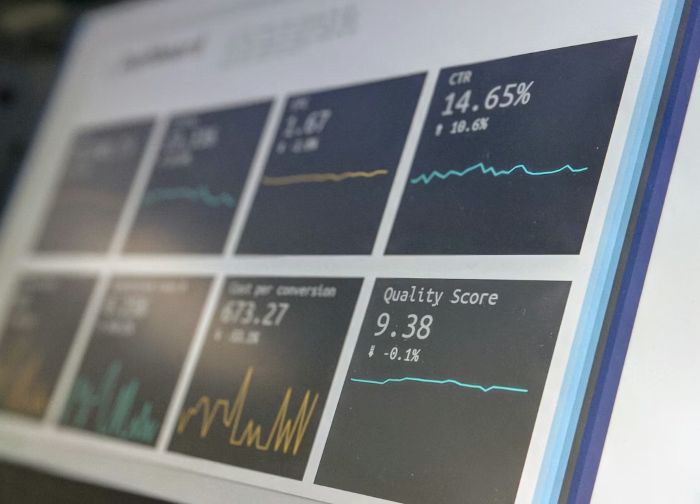
The implementation of the energy platform relies heavily on the ongoing development of a triad of core data management areas. The initial step is always data management and migration from legacy on-premises systems to cutting-edge cloud storage. This eliminates the loss of essential information and ensures rigid compliance with regulatory requirements for data security and sovereignty.
The second stage is progressive analytics, which metamorphoses accumulated data into clear-cut operational metrics. Company management and operators are able to observe the financial results of each transaction and the efficiency of each individual turbine, eliminating blind spot operations.
Third, the final stage is intelligent automation. The implementation of self-learning models and automatic triggers for responding to market anomalies is aimed at mitigating human factor. In a market that evolves at lightning speed, automation beats humans in high-frequency trading, dramatically reducing the company’s operating costs.
Conclusion: Code-Driven Megawatts
The energy crisis in recent years and the global push for decarbonization have clearly proven that old-school methods of infrastructure management are inadequate for the dynamics of a new world. The energy of the future is not just electric current running through wires; it is a colossal flow of digital code.
Energy trading platforms, built in collaboration with top-notch technology partners, are changing chaotic market volatility into predictable and lucrative business solutions. By combining expertise in big data, cloud computing, and artificial intelligence with deep industry knowledge, N-iX developers are creating software that helps allocate the planet’s resources efficiently, sustainably, and intelligently.
In this new reality, victory does not go to the player with the most generating capacity, but to the one whose algorithms predict wind patterns and exchange price fluctuations more accurately.