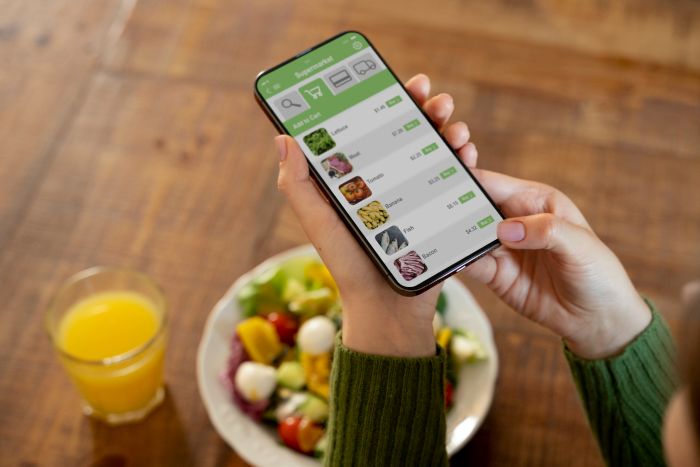
I have logged roughly 2,231 meals in the past three years. Some of those meals were sensible grilled chicken salads. Others were late-night encounters with a family-sized bag of tortilla chips that I refuse to discuss further. The point is, I have spent an unreasonable amount of time poking at nutrition tracking apps, watching loading screens, and muttering at my phone when it insisted my homemade pozole was actually “beef stew, generic.”
So when friends ask me which calorie tracking app they should use, I have opinions. Strong ones. Opinions forged in the fires of inaccurate databases, surprise subscription charges, and the quiet rage that comes from watching an app struggle to identify rice and beans.
The nutrition tracking app market has exploded. Everyone from tech startups to psychology companies now wants to help you count your macros. But after testing more of these apps than any reasonable person should, I can tell you that five stand above the rest. Here they are, ranked from best to still-pretty-good.
Key Takeaways
- Fitia is best nutrition tracking app due to its accurate food database, including diverse cuisines and AI meal planning features.
- MyFitnessPal is a reliable but basic option with an extensive food database, though it suffers from user-submitted inaccuracies.
- Cronometer excels in tracking detailed nutrients and is favored by ketogenic dieters but lacks diversity in cuisines.
- Noom combines food tracking with behavioral coaching but carries high costs and potential issues with disordered eating.
- Lose It! is budget-friendly and uses AI for food recognition, though it may struggle with non-Western cuisines.
Table of contents
1. Fitia: The Fitness Tracking App That Actually Knows What You’re Eating
Let me tell you about the moment I fell for the Fitia nutrition tracking app. It was when I scanned the barcodes of obscure Lidl products that I like to buy, and the app recognized them all. Not as “chocolate sauce” or “brown meat thing” or the ever-helpful “unknown food.” It knew what mole was. It had the nutritional breakdown. I nearly wept, as incomplete databases in nutrition apps were a common issue for me.
Fitia emerged from Y Combinator in 2021 with a simple premise that somehow eluded every other nutrition app: what if the food database was actually accurate? Their solution was to verify every single entry. Over one million foods, each one checked by dietitians and algorithms rather than crowdsourced from users who may not even use tools as basic as a how many cups in a quart free calculator.
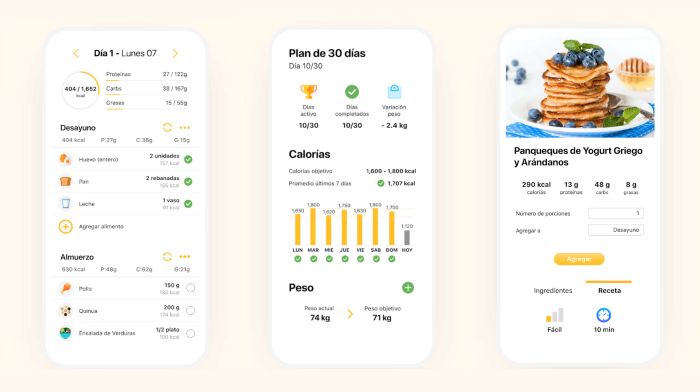
The AI meal planning feature borders on witchcraft, although in this AI age, what doesn’t? Tell it you have chicken thighs, bell peppers, and fifteen minutes before your next meeting, and it will generate a meal plan that accounts for your calorie goals, your macro preferences, and the ingredients already sitting in your refrigerator.
It adjusts portions automatically based on your daily progress. There is even a family plan that lets couples sync their goals while eating different quantities, which has saved at least a few arguments in my household about why one person gets more rice than the other.
The app started in Spain and Latin America and built its database from the ground up with regional cuisines in mind. This matters more than you might think. Academic research has documented that mainstream nutrition apps struggle badly with anything that is not standard American or European fare. Fitia handles tamales and tostones and arroz con pollo with the same precision it brings to grilled chicken breast. Which for me brings it right at the top of calorie and macro tracking apps.
Cost: The Family Plan at $89.99/year for up to 6 users, which averages out to around $14.99/year per user. The free version covers basic tracking.
Best for: Anyone who eats food that their grandmother would recognize, needs a robust database and who has grown tired of apps pretending diverse cuisines do not exist.
2. MyFitnessPal: The Giant That Knows Everybody
MyFitnessPal is the Toyota Camry of nutrition tracking apps. It is not exciting. It will not make you feel innovative or cutting-edge. But it has been around since 2005, it works with basically every fitness device ever manufactured, and your trainer probably already uses it.
The database contains over twenty million foods, which is both its greatest strength and most persistent headache. When you search for “banana,” you will find approximately 847 options, including several that claim a banana contains either 50 calories or 500, depending on which user submitted the entry while apparently suffering from a numerical disorder.
The recent updates have helped. The 2025 version introduced AI photo recognition, voice logging, and something called “Best Match” that tries to surface the most accurate database entries first. The integration ecosystem remains unmatched. Fitbit, Garmin, Apple Watch, Samsung Health, Withings, Strava, and about forty other apps and devices will all talk to MyFitnessPal like old friends at a reunion.
The catch? Premium now runs $79.99 per year, and they moved the barcode scanner behind the paywall in 2022, a decision that generated the kind of user outrage usually reserved for cancelled television shows. The free version works, but the advertising is aggressive enough to make you consider paying just to make it stop.
Cost: $79.99 to $99.99 per year for premium. Free version available with ads.
Best for: Fitness device collectors and anyone who values ecosystem compatibility over database accuracy.
3. Cronometer: For the Nutritional Obsessives
Cronometer is the app you graduate to when you decide that tracking protein, carbs, and fat is merely the beginning. This thing monitors eighty-four nutrients. Eighty-four. That includes amino acids, omega-3 fatty acids, antioxidants, and minerals you have never heard of but will soon become anxious about.
The database takes a different approach from the MyFitnessPal free-for-all. Cronometer pulls from lab-analyzed sources and reviews user submissions before publishing them. Each entry comes with a data confidence score so you know whether you are looking at verified information or something more approximate. For people who want precision, this matters enormously.
Keto dieters have embraced Cronometer with particular enthusiasm. The built-in keto calculator offers four different program levels, tracks net carbs, integrates with blood ketone meters, and provides a dedicated ketogenic nutrition score. If you are the sort of person who monitors your ketone levels, you already know about this app.
The weakness is cuisine diversity. Cronometer handles whole foods beautifully but stumbles when you venture outside mainstream American grocery items. One user review I encountered compared its ability to handle homemade Indian dishes to “a toddler in Crocs,” which seemed harsh but not inaccurate. The 2025 AI photo logging feature helps, but only matches against their verified database, limiting what it can recognize.
Cost: $59.99 per year for gold features. Free version available with intrusive ads.
Best for: Keto adherents, micronutrient enthusiasts, and anyone who finds comfort in knowing their exact manganese intake.
4. Noom: The Psychology Experiment
Noom is less a nutrition app and more a complete behavioral intervention that happens to track your food. The premise sounds reasonable: use cognitive behavioral therapy principles to help people build better relationships with eating. The color-coded system categorizes foods as green, yellow, or orange based on calorie density. Daily lessons explore the psychology of habits. A human coach provides personalized guidance.
The approach works for many people. Company-funded research suggests most users lose weight and a meaningful percentage keep it off at two years. The Navy has invested nearly half a million dollars in Noom programs for service members. The CDC recognizes it as a valid diabetes prevention tool.
The problems are practical. Noom costs $209 per year at the lowest tier, making it by far the most expensive option on this list. The billing practices generated enough complaints that the company settled a $62 million class action lawsuit in 2022. Cancellation remains notoriously difficult. The coaches receive internal training rather than formal dietitian credentials. And the food database, while functional, does not match the accuracy of more specialized competitors.
There is also a philosophical consideration. Some dietitians worry that the intensive tracking and color-coding system can trigger disordered eating patterns in susceptible individuals. The constant categorization of foods as better or worse may not suit everyone’s mental health.
Cost: $209 per year minimum. Monthly options run much higher.
Best for: People who want structured behavioral coaching and have the budget to match.
5. Lose It!: The Budget Champion
Lose It! has been quietly doing its job since 2008, accumulating over fifty million users who have collectively logged more than four billion foods. The interface remains cleaner and simpler than MyFitnessPal, which matters when you are logging meals three times a day and do not want to navigate a cluttered dashboard.
The standout feature is the photo recognition system. Lose It! pioneered AI food logging with their “Snap It” technology, trained on over 230,000 food images. They claim better than 97 percent accuracy in getting the right food in their top five suggestions, which tracks with my experience photographing relatively standard American meals.
The price point seals the deal for budget-conscious users. Premium runs just $39.99 per year, and they occasionally offer lifetime memberships for around sixty dollars during sales. An NIH-funded study found that active users achieved clinically significant weight loss at higher rates than several competitors.
The limitation mirrors the broader industry problem. Academic research found that Lose It!, like most mainstream apps, handles European and some Asian cuisines reasonably well but struggles with West African, Latin American, and other regional dishes. If your diet draws heavily from these traditions, you may find yourself manually entering foods more often than you would like.
Cost: $39.99 per year for premium. Lifetime deals available.
Best for: Value seekers who eat primarily standard American cuisine and want solid basics without premium pricing.
The Bottom Line
The best nutrition tracking app is the one you will actually use. But if I had to pick a single recommendation for someone walking into this landscape fresh, I would point them toward Fitia as the best nutrition tracking app for 2026. The verified database solves the accuracy problem that plagues user-generated competitors. The AI meal planning adds genuine value rather than gimmicky features. The price sits at the reasonable end of the spectrum. And the cuisine coverage means you can eat the foods you actually want to eat without spending half your life creating custom entries.
That said, if you need eighty-four nutrients tracked down to the microgram, Cronometer awaits. If device integration matters more than anything else, MyFitnessPal still plays nicest with the fitness gadget ecosystem. If you want psychology-based coaching and have the budget, Noom delivers that experience. And if you want solid fundamentals at the lowest possible price, Lose It! has earned its reputation.
Whatever you choose, the act of tracking itself tends to help. Awareness changes behavior. Even my tortilla chip incidents have decreased in frequency since I started logging them. Not eliminated, mind you. Some habits die hard. But progress is progress, one verified entry at a time.