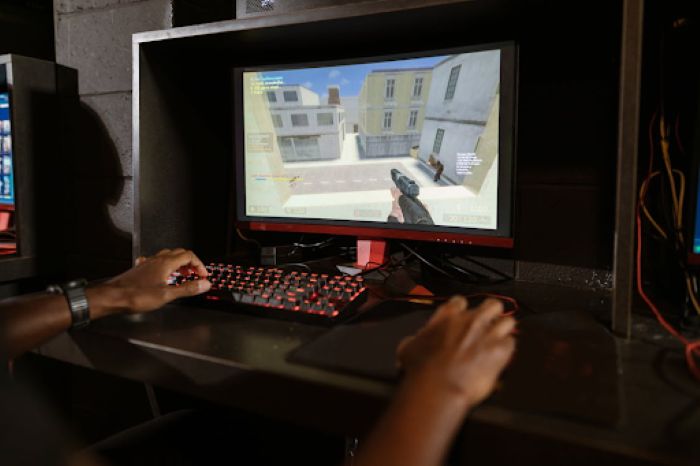
The Counter-Strike skins market is no longer just about cosmetics. The CS skins market is now a large digital economy where players buy, sell, and trade items every day. Some players see these items as a way to customize their gameplay and show their personal style. Others see it as a tool for trading and earning. This is why understanding market structure is becoming increasingly important, even for those who don’t plan to trade actively.
As interest in digital items continues to grow, the role of specialized platforms is essential. DMarket is an international CS skins market for online gamers who want to safely buy, sell, and trade skins. The platform simplifies market access, lowers barriers to entry, and makes complex trading processes understandable to beginners.
Key Takeaways
- The Counter-Strike skins market has evolved into a digital economy where players buy, sell, and trade items daily.
- Factors influencing skin prices include wear level, rarity, total market supply, and weapon popularity.
- Players navigate the market based on individual goals, choosing between visual appeal, rarity, and investment.
- Third-party marketplaces like DMarket offer advantages such as lower fees and better trading options compared to Steam.
- Understanding market dynamics helps players trade safely while enjoying the vibrant Counter-Strike skins market.
Table of contents
Understanding Value
The price of a skin in CS2 isn’t determined randomly. It rarely depends solely on appearance. Even visually similar items can greatly vary in price. For beginners, the market may seem confusing and overwhelming. In practice, though, it follows clear and logical rules.
The main factor is skin condition. Factory New skins are much more expensive than Field-Tested ones, especially for popular weapons. Rarer skins usually have higher prices because they are harder to get. Weapon popularity and community interest also impact value.
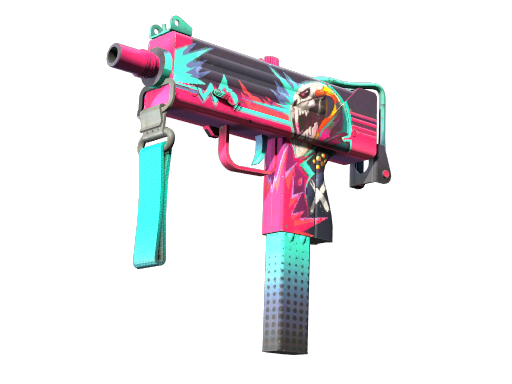
The main factors that can shape the price in the Counter-Strike skins market are:
- wear level;
- rarity and quality type;
- total market supply;
- weapon popularity in the game;
- its visual appeal;
- presence of stickers, charms, or patterns.
Understanding these parameters makes it easier for a player to analyze the market. Experienced users monitor CS2 updates, case changes, and community reactions.
Sometimes, even minor gameplay changes or esports events can impact demand. This is why skin prices are so dynamic.
Player Motivation and Market Behavior
Player behavior also plays a significant role in the skins market. Each player comes with their own goals, which creates constant flux within the ecosystem. Some want to stand out visually in matches, others seek to assemble rare collections, and others view skins as digital assets.
An item’s uniqueness and history most often guide collectors. They ignore short-term price fluctuations. Traders in the Counter-Strike skins market try to buy skins during periods of low interest and sell them at their peak. Casual players seek a balance between price and appearance to enjoy the game without spending too much.
Navigating Marketplaces
After deciding on the skins they’re interested in, players must choose a trading platform. Although the Steam Community Market is the best-known option, it has several limitations, such as high fees, restricted withdrawal options, and limited trading options between users.
This is why many players choose third-party marketplaces. These platforms offer more flexibility, expanded functionality, and transparent conditions. DMarket lets you quickly find the skins you need, compare prices, and complete trades in a convenient format.
A reliable third-party Counter-Strike skins market offers several advantages, namely:
- lower trading fees;
- ability to withdraw real funds;
- convenient trading tools;
- extended skin selection;
- support for trading between players;
- transparent trade history.
After weighing up these advantages, it becomes clear why experienced players prefer such services. DMarket emphasizes security, automated trades, and user convenience—essential qualities for regular and successful trading.
Tips for Safe and Smart Skin Trading
Even with a good understanding of the market, you should follow basic safety rules. Skins have real value, so there’s always a risk of fraud. Most often, problems arise due to haste, inattention, or trusting unverified sources.
You can reduce risks by using trusted platforms, checking market prices, and avoiding deals that look too good to be true. This helps protect your inventory and stay more secure on the market.
Conclusion
The Counter-Strike skins market can be complicated, especially for beginners. When you understand value factors, player behavior, and marketplace principles, the process becomes much more transparent and predictable. Skins cease to be mere decoration. They become a fully-fledged element of the in-game economy.
Using reliable platforms like DMarket simplifies market interactions, making trading safer and more convenient. Participants can focus on choosing interesting items, finding profitable deals, and enjoying a comfortable exchange. As a result, the large and dynamic CS skins market becomes understandable and accessible to every player.