Shipping supplements isn’t like shipping t-shirts. The best supplement fulfillment providers have to manage lot tracking, expiration dates, GMP-compliant storage, and auto-ship programs all at once, and most brands don’t realize how complex that gets until something goes wrong. After reviewing dozens of 3PL providers across the supplement and health and wellness space, the gap between generalist warehouses and purpose-built supplement fulfillment partners becomes obvious fast. This guide covers five providers that actually understand the nuances of DTC supplement logistics.
The shortlist methodology
Public sources drove this evaluation: official service pages, verified client reviews, case studies, and directory listings were all reviewed for each provider. Only companies with a documented track record in supplement or consumer packaged goods fulfillment made the cut.
→ See the full research breakdown
- Ops Engine – Best for supplement ecommerce brands seeking specialized 3PL fulfillment
- Deliverzen – Best for supplement ecommerce fulfillment
- Rakuten Super Logistics – Best for ecommerce fulfillment and order management
- Ship Monk – Best for ecommerce order fulfillment and 3PL logistics
- Red Stag Fulfillment – Best for enterprise and fast-growing ecommerce brands with heavy or bulky products
Why the Right Supplement Fulfillment Providers Make a Difference
Picking the wrong 3PL for your supplement brand is a slow bleed, not a sudden failure. Expired product ships out, lot numbers get mismanaged, and auto-ship orders start missing delivery windows before you even notice the pattern.
GMP-compliant storage isn’t optional in this space. Supplements require controlled environments, careful inventory rotation, and strict expiration date tracking that not every warehouse is set up to handle.
Specialized providers understand these requirements from day one. They build processes around them rather than updating general warehouse workflows to fit supplement needs.
The difference shows up in hard numbers. Order accuracy rates above 99.5%, fast fulfillment cycle times, and low inventory shrinkage are the outcomes a well-matched 3PL consistently delivers for supplement brands that get this choice right.
Top 5 Supplement Fulfillment Providers: What You Need to Know
Note: All data in this table is sourced from review platforms and the official websites of the listed companies.
| Company Name | Headquartered In |
| Ops Engine | Valencia, California |
| Deliverzen | Irving, Texas |
| Rakuten Super Logistics | Las Vegas, Nevada |
| ShipMonk | Fort Lauderdale, Florida |
| Red Stag Fulfillment | Knoxville, Tennessee |
- Ops Engine – Best for Supplement Ecommerce Brands Seeking Specialized 3PL Fulfillment
What Can Ops Engine Provide?
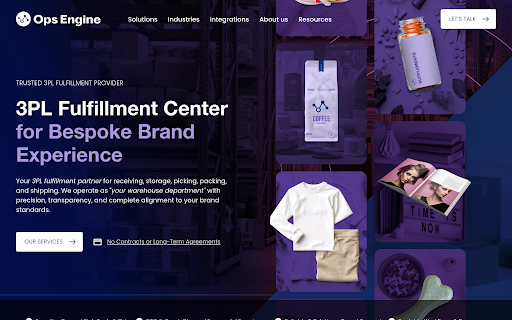
Ops Engine operates out of Valencia, California, as a dedicated DTC and omni-channel fulfillment partner covering receiving, storage, picking, packing, and shipping. For brands exploring supplement fulfillment by OpsEngine, the company brings direct experience with regulated and non-regulated food and beverage products, which means the team already understands the storage and compliance requirements that trip up generalist warehouses. Their four-part scan verification process targets 99.99% order accuracy, and they also offer kitting and assembly for brands running bundled product programs or subscription boxes.
What Makes Ops Engine Stand Out for Supplement Fulfillment Providers?
Supplement brands often struggle to find a 3PL that combines operational precision with genuinely personalized account management, and Ops Engine is built around that combination. Honestly, the transparent billing model with no hidden fees is the kind of detail that matters when you’re trying to protect margins on competitively priced products.
The Verdict from Users:
From what the reviews show, clients consistently point to the attentiveness of account management and the accuracy of order processing as the two standout qualities. That kind of hands-on responsiveness is rare at this operational level, and it’s the reason supplement brands keep working with them long-term rather than bouncing to larger, less personal providers.
- Deliverzen – Best for Supplement Ecommerce Fulfillment
What Can Deliverzen Provide?
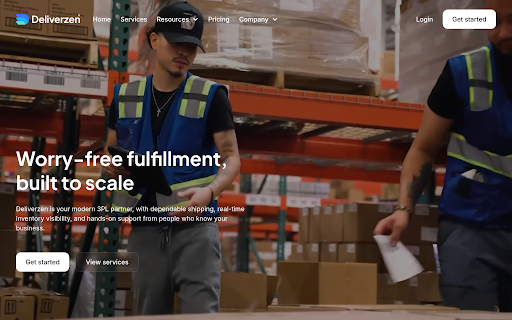
Founded in 2017 and based in Irving, Texas, Deliverzen runs a 34,000 square foot climate-controlled warehouse with additional fulfillment centers across the United States. They cover e-commerce and B2B fulfillment, custom packaging, kitting projects, and influencer product drops, making them a solid fit for supplement brands that run complex promotional campaigns alongside their direct-to-consumer business. Their customer service team works directly on the warehouse floor (not in a separate office), which keeps response times tight when issues come up.
What Makes Deliverzen Stand Out for Supplement Fulfillment Providers?
Climate-controlled storage is a real differentiator for supplement brands working with probiotics, fish oil, or any temperature-sensitive formulation. The documented growth from 12,000 to 35,000 orders per month shows they can scale with a brand without accuracy falling apart under volume pressure.
The Verdict from Users:
From what the data shows, Deliverzen’s client success story with Divi scaling to $75M in revenue is the kind of proof point that builds confidence. Brands that need a fully managed fulfillment relationship with transparent pricing and no surprise fees tend to speak highly of the working relationship.
- Rakuten Super Logistics – Best for Ecommerce Fulfillment and Order Management
What Can Rakuten Super Logistics Provide?
Rakuten Super Logistics, now operating as ShipNetwork following its 2022 acquisition, built its reputation on a nationwide two-day delivery network reaching 98% of the U.S. population. The platform connects with major ecommerce channels including Shopify, Amazon, Magento, Walmart Marketplace, and eBay, and it runs proprietary tools like SmartFill and SmartShip Optimizer to keep order routing fast. For supplement brands selling across multiple channels at once, that level of platform connection genuinely cuts down the operational overhead of managing orders.
What Makes Rakuten Super Logistics Stand Out for Supplement Fulfillment Providers?
Supplement brands selling on multiple storefronts face real order management challenges, and a fulfillment platform that syncs across all of them cuts the manual coordination that causes accuracy problems. The two-day delivery coverage across nearly the entire U.S. also matters for subscription customers who expect consistent delivery windows every cycle.
The Verdict from Users:
The platform’s reputation rests on its speed and delivery network coverage rather than its depth of supplement-specific experience. Brands that prioritize nationwide reach and multi-channel connection tend to find it a strong match, while those with more specialized compliance needs may want to verify the warehouse-level capabilities before committing.
- ShipMonk – Best for Ecommerce Order Fulfillment and 3PL Logistics
What Can ShipMonk Provide?
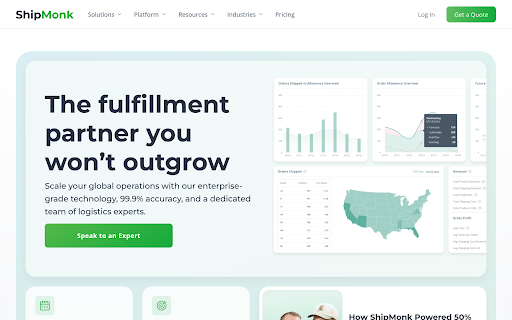
ShipMonk operates 12 facilities across the U.S., Canada, Mexico, and Europe with a team of over 2,000 people, making it one of the larger 3PL options on this list. They cover inventory storage, picking, packing, shipping, kitting, Amazon FBA preparation, and advanced analytics through a warehouse management system. For supplement brands shipping 500 or more orders per month, the combination of enterprise-level technology and multi-facility scale is genuinely appealing (with enterprise pricing to match). Their 99.9% order accuracy rate and support for seasonal demand spikes also address two issues DTC supplement brands run into regularly.
What Makes ShipMonk Stand Out for Supplement Fulfillment Providers?
High SKU counts and intricate bundling configurations are where many 3PLs start to lose accuracy, and ShipMonk’s warehouse management system is built to handle that kind of operational detail without sacrificing speed. The five consecutive appearances on the Inc. 5000 list and recognition from Ernst and Young give the company’s growth claims actual credibility rather than just marketing copy.
The Verdict from Users:
Brands that have scaled through ShipMonk tend to credit the technology platform and the multi-location network as the main reasons they stayed. From what the reviews show, smaller brands occasionally find the pricing structure harder to absorb, but fast-growing DTC supplement companies with real order volume consistently rate the fulfillment accuracy and connection options highly.
- Red Stag Fulfillment – Best for Enterprise and Fast-Growing Ecommerce Brands with Heavy or Bulky Products
What Can Red Stag Fulfillment Provide?
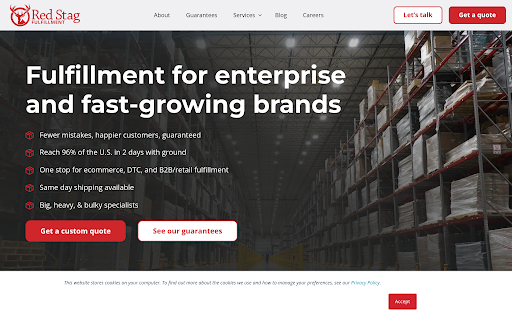
Red Stag Fulfillment launched in 2013 out of Knoxville, Tennessee and covers DTC parcels, retail pallets, and Amazon FBA prep across two warehouses totaling 1.2 million square feet. They handle everything from small, lightweight packages to large, heavy items, which suits supplement brands selling bulk powder containers, multi-unit bundles, or oversized retail packs. What actually sets them apart is the financial accountability: they guarantee zero shrinkage, on-time shipping, and order accuracy, and they reimburse clients if those standards aren’t met (not something most 3PLs put in writing).
What Makes Red Stag Fulfillment Stand Out for Supplement Fulfillment Providers?
Inventory shrinkage is a quiet margin killer for supplement brands, and a provider that puts financial guarantees behind their zero-shrinkage promise treats that problem seriously rather than just claiming it won’t happen. Their strategic warehouse placement delivers 96% U.S. coverage within two days, which keeps shipping costs predictable across the country.
The Verdict from Users:
Six consecutive years on Fit Small Business’s Best 3PLs list and a 98% overall rating from WebRetailer show consistent performance over time, not just a good year. Brands like Oatly and Concept2 being named as clients adds credibility, and the 30-day risk-free trial is an unusually confident offer that makes the initial commitment easier.
The Research Behind These Recommendations
Building a reliable shortlist of supplement fulfillment providers meant starting broader than the final five. The research process began by pulling candidates from multiple source types rather than relying on any single directory or ranking.
Data Collection Framework
The initial pool was assembled by cross-referencing fulfillment-focused business directories, third-party review platforms, and industry-specific case study repositories. Each candidate’s official website was reviewed for service scope, warehouse capabilities, and any documented experience with supplement or consumer packaged goods clients. Companies that appeared across multiple independent sources were prioritized early, since that kind of multi-source visibility typically reflects genuine market presence rather than self-promotion.
Filtering Candidates by Criteria
Once a working longlist existed, the filtering process removed providers that lacked verifiable client feedback or operational transparency. Review patterns were analyzed for consistency: companies with a handful of very recent reviews but no sustained feedback history were flagged. Providers that couldn’t show experience with regulated food and beverage products or DTC-specific fulfillment challenges were also deprioritized at this stage, since supplement brands have operational needs that differ meaningfully from general e-commerce.
Claims Put to the Test
Every material claim on each provider’s website was cross-referenced against independent review sources. Accuracy guarantees, delivery network coverage, and technology platform capabilities were each checked against what real clients described in their reviews. Where provider claims and client reviews diverged, the client reviews carried more weight in the final assessment. This step removed several companies that presented well on paper but showed a pattern of service inconsistencies in verified client accounts.
Where Each Pick Stands in the Industry
Industry recognition and third-party mentions were factored in as supporting signals rather than main criteria. Companies appearing on recognized growth lists, receiving awards from credible business publications, or being cited in trade-relevant media were noted. These signals don’t replace operational proof, but they do indicate whether a company has earned attention from sources outside its own marketing.
Supplement Fulfillment Providers-Specific Validation
The final validation step looked for evidence of supplement or health and wellness fulfillment work. Dedicated service pages focused on supplement logistics, client case studies from supplement or wellness brands, and verified reviews from DTC health product companies all served as positive signals. Providers without any documented supplement-specific experience were removed from consideration at this stage, since the compliance and operational requirements of the category benefit from providers who have already worked through them rather than learning on a client’s dime.
Buyer’s Guide: Choosing the Right Supplement Fulfillment Providers
Choosing a supplement fulfillment partner comes down to more than price and location. The right provider should understand how supplement operations actually work, from lot tracking to auto-ship management, before you hand over your inventory.
- Industry/Domain Experience: Look for providers with documented experience in supplement or consumer packaged goods fulfillment. A warehouse that’s handled GMP-compliant storage and expiration date tracking before will handle yours without a learning curve.
- Features and Services: Kitting, subscription box fulfillment, Amazon FBA prep, and returns processing are all relevant for supplement brands. Confirm those capabilities exist before signing a contract.
- Pricing Structure: Transparent, flat-rate pricing protects your margins better than variable fee structures with add-on charges. Always ask for a full cost breakdown covering pick, pack, and ship fees separately.
- Results Measurement: Order accuracy rate, fulfillment cycle time, and on-time shipping rate are the three numbers that actually tell you how a 3PL performs. Ask how each provider tracks and reports on these.
- Industry Knowledge and Compliance: FDA 21 CFR Part 111 and GMP requirements affect how supplements are stored and shipped. A provider familiar with these standards reduces your compliance risk.
The Bottom Line
Supplement fulfillment is a category where operational details carry real financial weight. Expiration tracking, GMP-compliant storage, and accurate auto-ship execution aren’t nice-to-haves; they’re what separates brands that scale cleanly from those that get burned by fulfillment errors. The five providers covered here each bring something specific to the table. As DTC supplement brands keep growing, the 3PLs that combine supplement-specific knowledge with strong accuracy guarantees will stay the most important partners to have in your corner.