Nowadays, people invest much of their day scrolling TikTok, Instagram Reels, YouTube Shorts, and other short-form videos. Because of this evolving behavior, indie filmmakers have modified their strategy to connect with new audiences.
Independent filmmakers plan video content for different platforms, and they don’t create only one final film. They make vertical videos, shorter edits, teaser clips, and behind-the-scenes content to engage the audience. With AI tools, the filmmakers simplify their editing workflows to save time.
In this article, you’ll explore how social-first audiences are influencing independent film production. You’ll also discover how to use AI for more efficient video workflows.
Table of contents
- Why Social Media Is Reshaping Independent Filmmaking
- How Independent Filmmakers Are Changing Their Creative Process
- Common Challenges When Creating Social-First Video Content
- How AI Tools Help Independent Filmmakers Move Faster
- Creating Cleaner Videos for Social Platforms
- Building a Social-Ready Video Workflow Without Increasing Production Costs
- Conclusion
Why Social Media Is Reshaping Independent Filmmaking
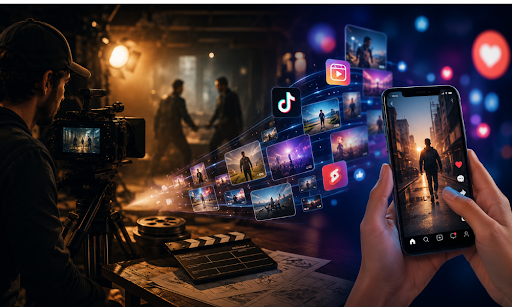
Social media has changed the way people come across video content. Indie filmmakers create projects with online channels in mind from day one. Success depends on telling strong stories and keeping viewers interested across different social media channels.
| Traditional Approach | Social-First Approach |
| Long-form storytelling | Short, engaging clips |
| Festival-first release | Platform-first publishing |
| Large marketing budget | Organic audience growth |
| One final version | Multiple content formats |
| Monthly releases | Frequent uploads |
Audiences Now Expect Shorter Content
Many viewers watch short videos that deliver value within the first few seconds. People skip the videos with long introductions.
Independent filmmakers make short scenes, fast edits, and strong opening moments to capture the attention of the audience. They keep the story clear and engaging from start to finish.
Discovery Matters More Than Distribution
Making a great film isn’t enough but you need to find an audience for a successful project. Many people come across new filmmakers through TikTok, Instagram Reels, and YouTube Shorts.
Independent filmmakers publish content so that audiences can recognize them instantly. The directors use short clips, previews and backstage content videos to attract more viewers.
Every Scene Needs to Capture Attention Quickly
Each scene persuades the followers to continue watching instead of browsing the next video. Filmmakers plan visuals, rhythm, and editing to create striking first impressions. The clear message and engaging opening improve watch time. This helps your content to reach more people across social platforms.
How Independent Filmmakers Are Changing Their Creative Process
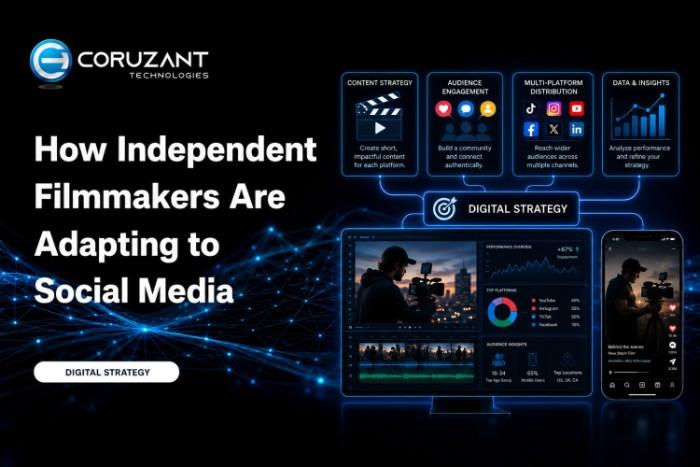
Independent filmmakers now think beyond the final film. They plan content that works across different platforms while reaching audiences with different viewing habits. This approach helps every project stay active before and after release. Many creators plan content for multiple platforms before filming begins. One production can provide full scenes, short clips, vertical videos, and promotional content without requiring additional filming days.
Video production has also become part of the creative process. Filmmakers now capture extra shots that fit mobile screens, making content easier to share on social media platforms. Behind-the-scenes content helps audiences to meet the team behind each project. You can use simple production updates, rehearsal clips, and filming moments to build interest long before the final release. Trailers and teaser clips are no longer created only once. Independent filmmakers produce several versions with different lengths and opening moments for different social platforms and audiences.
Creators answer comments, share updates, and listen to audience feedback to build stronger relationships with viewers. You can publish content regularly by using simple editing workflows. Regular uploads make sure that your audience remains involved. It also gives you more opportunities to attract new viewers.
Common Challenges When Creating Social-First Video Content
Indie filmmakers have to manage compact teams, restricted budgets, and limited timeframes. They also have to publish content steadily across various channels.
- Long editing process: Creating several versions of the same video for varied platforms increases editing time and slows down content publishing.
- Multiple aspect ratios: You need different video sizes for varied social platforms. It takes time to adjust one project for vertical, square, and horizontal formats.
- Watermarks from downloaded assets: Archived footage, downloaded previews or older promotional clips include watermarks. These symbols reduce the video’s professional appearance.
- Maintaining visual quality: Repeated exports, resizing, and compression lower video quality. Poor quality makes your content less polished on social platforms.
- Limited production budgets: Many independent filmmakers have small budgets. They can’t hire large editing teams or invest in expensive production resources.
How AI Tools Help Independent Filmmakers Move Faster
Many independent filmmakers look for ways to simplify repetitive work. AI tools speed up everyday editing tasks. You don’t have to do repetitive editing, and you can spend more time developing stories and producing new content.
Many AI-powered tools automate common editing tasks and help you to finish projects more efficiently. Creating videos faster means you can keep up with social media. Filmmakers use AI-powered tools to prepare, edit and publish content.
The creators can focus more on storytelling by saving editing time. They can improve scripts, refine scenes and develop stronger creative ideas.
Better workflow efficiency supports small teams with limited resources. When routine editing takes less time, every production stage becomes easier to manage from planning to publishing.
Many creators now include AI video editing platforms in their workflow to handle repetitive tasks more efficiently. Solutions such as Vmake Labs support a smoother production process, helping filmmakers prepare social-ready content while keeping their attention on creative work.
Creating Cleaner Videos for Social Platforms
Social media audiences expect clean and professional content. Small editing issues such as visible watermarks can distract viewers from the main theme.
Indie filmmakers use stock footage, archived clips, old project files or promotional videos. Some of these files contain watermarks which you can’t remove during a normal editing process.
| Manual Workflow | AI-Assisted Workflow |
| Time-consuming edits | Faster processing |
| Multiple software tools | Streamlined workflow |
| Manual cleanup | Automated enhancements |
| Higher editing workload | Reduced repetitive tasks |
| Longer publishing time | Faster content delivery |
Cleaning logos manually takes time, and creators have to manage filming, editing, and publishing schedules. When they have to repeat the same cleanup work, it slows down production.
In these situations, a video watermark remover can help simplify the editing process. Creators can prepare cleaner videos for social platforms more efficiently.
Filmmakers who have to reuse older content or existing assets can use Vmake Labs’ video watermark remover. The tool removes unwanted watermarks within a few steps. You can spend less time on repetitive editing.
Building a Social-Ready Video Workflow Without Increasing Production Costs
A better workflow helps independent filmmakers create more content without adding unnecessary expenses. Small improvements in planning and editing save time for the production team.
The creators have to respond quickly to trends and audience interest. Publishing content sooner also helps projects stay relevant across different social media platforms.
Content repurposing makes better use of existing footage. One filming session can produce trailers, vertical clips, behind-the-scenes videos and short social posts for multiple platforms.
Consistent uploads help filmmakers stay connected with their audience. A steady publishing schedule keeps viewers engaged and creates more opportunities for content discovery.
Better workflow efficiency reduces repetitive tasks across production and editing. The filmmakers have more freedom to focus on creative ideas by saving time on routine work. They can develop stronger stories, improve video quality, and build a lasting connection with their audience.
Conclusion
Social-first audiences have changed how independent filmmakers plan, create, and share their work. Success now depends on telling engaging stories while creating content that fits different social media platforms.
Independent filmmakers make trailers, short clips, behind-the-scenes videos, and platform-specific content to keep audiences engaged.
Vmake Labs simplifies the repetitive editing tasks, improves workflow efficiency, and supports faster publishing. By using this tool, filmmakers spend less time on routine work. So, the directors gain more time to develop stronger stories, connect with viewers, and continue creating meaningful content.