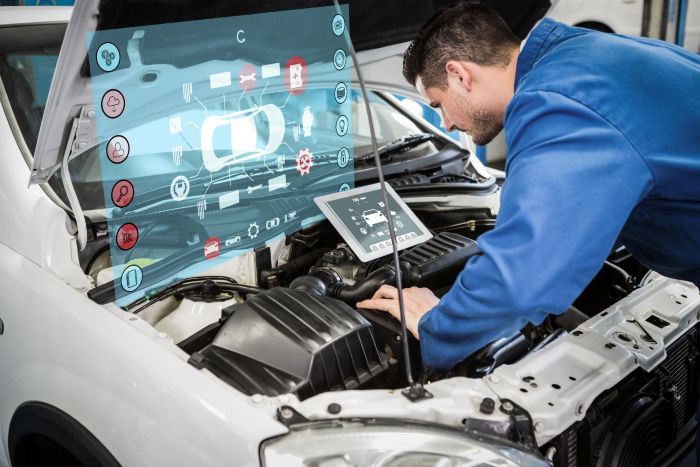
Smart cars are no longer a futuristic concept. They are officially taking over the road. According to Fortune Business Insights, the global smart car market was valued at $171.66 billion in 2025. This growth is not slowing down either, with the market projected to rise from $195.82 billion this year to more than $466.75 billion by 2034. As more drivers get behind the wheel of these high-tech vehicles, we are seeing a major shift toward advanced connectivity, artificial intelligence, and autonomous driving features. This rapid evolution is also changing how consumers think about ownership, with maintaining smart cars becoming increasingly tied to software updates, sensor calibration, and specialized diagnostics rather than traditional mechanical upkeep.
However, owning a “computer on wheels” is a lot different than owning a traditional car. While most drivers are used to checking their oil or rotating their tires, there is a whole new world of maintenance that often gets overlooked. Because these cars rely so heavily on sensors and software, keeping them “road-ready” involves much more than just mechanical care.
This article highlights the most commonly overlooked aspects of smart car maintenance and what you should be doing to stay ahead of them.
Key Takeaways
- The smart car market is rapidly growing, projected to reach over $466.75 billion by 2034, emphasizing the need for proper maintenance.
- Maintaining smart cars involves software updates, high-voltage battery care, and weather-related inspections, along with traditional mechanical tasks.
- Drivers should regularly check tire pressure and perform rotations, as smart cars’ lightweight frames impact tire wear and handling.
- Regenerative braking does reduce wear on brake pads, but annual inspections remain crucial to prevent corrosion and ensure functionality.
- Proactive maintenance helps ensure the longevity and performance of smart cars by balancing digital updates with traditional care.
Table of contents
1. Software Updates Are a Maintenance Task Too
Many drivers still think maintaining smart cars only involves mechanical tasks like changing oil or replacing brake pads. However, smart cars rely heavily on software to manage everything from engine performance to driver-assistance features. Ignoring software updates can affect system efficiency, security, and even overall vehicle performance over time.
Automakers now regularly release updates to improve navigation, battery management, safety systems, and infotainment features. For example, Google is expanding its Gemini AI assistant into vehicles, allowing drivers to interact with their cars through more natural conversations. These systems can help with navigation, media controls, climate settings, and trip planning.
Some updates happen automatically over the air, while others require dealership servicing. Checking for pending updates through your vehicle app or manufacturer dashboard can help keep connected systems running smoothly.
2. High-Voltage Battery Health and Charging Habits
The high-voltage battery is your smart car’s most valuable asset, yet its care is often misunderstood. To prevent premature degradation, avoid the habit of constantly charging to 100% or letting the battery hit zero. Experts recommend a 20% to 80% range for daily use to maximize longevity.
While fast charging is convenient, relying on it too often generates heat that wears down battery cells much faster than standard home charging.
Innovation is making this easier. For instance, New Zealand’s Energy Minister Simeon Brown recently proposed new “smart functionality” standards for home and business chargers. These requirements ensure that chargers sold in the country are capable of automatically shifting sessions to cheaper, off-peak times.
This helps manage the nation’s overall electricity demand while saving drivers money on their monthly power bills. Drivers should also ensure the vehicle’s thermal management system is functioning properly, since overheating can reduce battery performance and driving range.
3. Weather-Related Maintenance
Weather significantly impacts smart car health, as extreme heat can accelerate battery degradation and place additional stress on sensitive electronics. For instance, in Brandon, where summers are long, hot, and wet, these challenges are constant. With temperatures typically ranging from 51°F to 91°F, the local subtropical climate exposes vehicles to year-round heat stress and heavy rainfall.
These conditions make frequent inspections of battery cooling systems, underbody seals, and HVAC filters especially important.
According to Bergman’s Auto Repair in Brandon, FL, skilled technicians today have experience maintaining a wide range of vehicles, from domestic models to European luxury brands. Because humidity can corrode electrical connectors and cause coolant to break down faster, working with a specialist who understands these regional conditions is essential.
Seeking expert auto repair helps ensure your “computer on wheels” receives climate-appropriate care, protecting its sophisticated systems from weather-related wear and tear.
4. Brake System Maintenance in Regenerative Braking Vehicles
Many smart and electric vehicle owners assume regenerative braking reduces the need for brake maintenance altogether. While regenerative systems do reduce wear on traditional brake pads, they can create different maintenance challenges over time. In most EVs, regenerative braking activates as soon as the driver lifts off the accelerator.
Brands like Tesla and Lucid Motors rely heavily on regenerative braking systems that activate as soon as the driver lifts off the accelerator. Other manufacturers, such as Porsche, prefer allowing the vehicle to coast more naturally before blending regenerative braking into the brake pedal.
Because traditional brakes are used less frequently, components such as rotors, pads, and calipers may develop rust, corrosion, or uneven wear. Drivers should still schedule annual brake inspections even if the brake pads appear healthy. Occasionally, using the manual brakes more firmly can also help keep brake components clean, responsive, and free from excessive surface rust.
5. Tire Maintenance and the Impact of a Lightweight Frame
Many drivers overlook how the lightweight design of smart cars affects tire wear and overall handling. Electric drivetrains deliver torque differently from traditional engines, which can place extra stress on tires and cause them to wear unevenly over time. Front tires, especially on front-wheel-drive models, may wear out faster if regular tire rotations are ignored.
Smart cars also commonly use low rolling resistance tires designed to improve energy efficiency and extend driving range. However, these tires often have shallower tread depths, meaning they may need replacement sooner than standard tires. Even small drops in tire pressure can affect both handling precision and battery efficiency in lightweight vehicles.
While maintaining smart cars, drivers should check tire pressure weekly and rotate tires every 5,000 to 6,000 miles. Using manufacturer-approved tires is also important, since generic replacements can negatively affect ride quality, range, and overall vehicle stability.
Frequently Asked Questions (FAQs)
How often should I update my smart car’s software?
Software updates should be applied as soon as they become available, typically every few months. Skipping them can result in reduced efficiency, unpatched security vulnerabilities, and malfunctioning driver-assist features. Check your manufacturer’s app or dealership portal regularly to ensure your vehicle’s systems are always running the latest firmware version.
Do smart cars with regenerative braking still need regular brake inspections?
Yes, absolutely. Regenerative braking reduces friction brake usage, which can cause rotors and calipers to corrode or seize from inactivity, especially in humid climates. Annual brake inspections are recommended regardless of pad wear. Deliberately using friction brakes occasionally also helps keep components clean and free of rust buildup.
What charging habits will help extend my smart car’s battery life the longest?
Avoid charging to 100% or depleting below 20% regularly. Keep daily charge levels between 20% and 80% for optimal longevity. Limit DC fast charging to occasional use, as repeated high-speed charging generates heat that degrades battery cells. Schedule annual battery health diagnostics to catch degradation before it affects performance or range significantly.
Maintaining smart cars requires a balance between digital updates and traditional mechanical care. Successful owners are those who give equal importance to software health, battery performance, and regenerative systems.
The best way to protect your investment is to stay proactive. Keep your vehicle’s firmware updated, monitor charging habits, and work with specialists who understand high-tech vehicles. Whether you are dealing with climate-related wear or managing software notifications, informed maintenance plays a major role in long-term performance and reliability.