
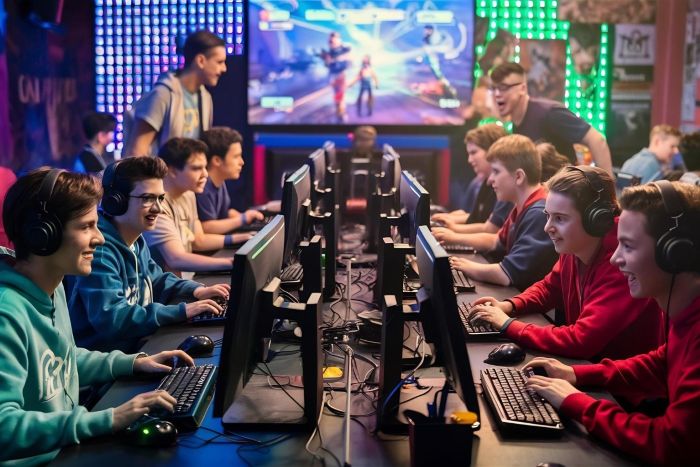
Pick any thriving competitive game today, and chances are you’ll find communities that feel as tightly knit as local clubs. Much of this cohesion doesn’t come from the games themselves, but from the people who put themselves front and center on platforms like Twitch or YouTube. Streamers transform solo play into group experiences and become anchors for fans who may never even touch ranked matches but return again and again for the genuine sense of belonging and community building.
This effect is on full display in newer titles that rely on audience energy to gain traction. Take, for example, the rush to grab cheap Marvel Rivals Lattice: while players are drawn in by competitive gameplay, it’s the streamer-led custom tournaments, chat memes, and informal teaching sessions that encourage viewers to participate, stay engaged, and even spend on extras. Communities led by charismatic players often have their own rules, inside jokes, and rituals, making the game experience feel unique to loyal fans.
Key Takeaways
- Competitive games thrive on communities, largely driven by streamers who create engaging experiences for fans.
- Digital game buying habits influence community growth, with marketplaces like Eneba offering speed and value to players.
- Consistency in streaming schedules fosters trust, turning casual viewers into loyal members of gaming communities.
- Transparency and interaction build loyalty, as streamers educate audiences about game purchases and regional compatibility.
- Streamers also encourage active participation, making viewers feel invested and promoting organic community growth.
Table of contents
Why Digital Game Buying Habits Matter for Community Building
The marketplace for games and game currencies has shifted far beyond simple point-of-sale transactions. Now, many digital communities revolve around shared purchasing decisions. When someone asks, “Where can I buy digital games?” the practical answer is that players either use official platform stores or a digital marketplace. Digital marketplaces like Eneba stand out for competitive pricing and quick code access, offering both speed and value during game launches or seasonal updates.
This ease of access feeds directly into the viral power of streaming. If a popular streamer spotlights a particular skin or in-game event, their audience wants in right away. Stream-friendly platforms, giftable codes, and cross-region compatibility keep excitement high and lower the barriers to joining these moments. When the hype moves fast, only the sellers who keep up can support the pulse of real-time community trends.
Another key factor in community growth is consistency. Successful streamers don’t just appear when a game is trending; they build routines that audiences can rely on. Scheduled streams, recurring events, and predictable interactions create a sense of rhythm that mirrors traditional communities. Viewers know when to show up, what to expect, and how to participate. This consistency builds trust over time and turns casual viewers into long-term members. In competitive gaming environments where trends can shift quickly, that stability becomes a powerful anchor that keeps communities intact even when interest in a specific title fluctuates.
Building Loyalty Through Transparency and Interaction
Communities aren’t built on games alone, they thrive on visible trust and regular two-way interaction. Streamers who openly discuss where to buy game codes or new content help demystify the process for their audience. When they highlight platforms that are clear about region compatibility or allow payment flexibility, they build not only transparency but loyalty as well.
Viewer trust goes further when platforms verify merchants and simplify purchases for global communities. For competitive games, where cross-region play and code gifting are core to group activities, marketplaces that flag regional compatibility and support gifts become default gathering points. The stronger the marketplace’s transparency, the more it encourages sustained engagement, both with games and among viewers.
Equally important is how streamers actively involve their audiences in decision-making. Polls, chat votes, and community challenges give viewers a sense of ownership over what happens during a stream. Whether it’s choosing the next character to play, deciding on strategies, or organizing viewer matches, this participatory model strengthens emotional investment. When people feel like contributors rather than passive spectators, they are far more likely to remain engaged and invite others into the community, accelerating organic growth.
The Ripple Effect: Social Buying and Streamer Influence
Streamer-guided communities transform boring purchase decisions into moments of social proof. Whether it’s gifting a teammate a pass, buying into a new update during a live stream, or pooling resources for custom competitions, audiences learn both the logistics and culture of digital purchasing. The most successful streamers teach viewers how to support friends, navigate region tags, or safely grab deals worldwide.
Digital marketplaces like Eneba capitalize on this shift, supporting global community building with real-time access, verified merchants, and clear regional options. This is exactly what keeps today’s competitive game circles vibrant, open, and ever-expanding.