The logistics world is moving at a speed nobody predicted a decade ago. It used to be about manual labor and simple tracking systems. Now, warehouses look more like tech hubs than storage spaces. Leadership in logistics must balance the needs of their human teams with the demands of automated machinery. Successfully guiding a facility through this change is the top priority for modern logistics professionals.
Key Takeaways
- The logistics industry is rapidly evolving, blending technology with traditional methods in warehouse management.
- Warehouse leaders must facilitate change, ensuring smooth operations by anticipating bottlenecks and addressing staff concerns about automation.
- Effective collaboration between humans and machines enhances productivity, as robots handle repetitive tasks while humans provide problem-solving skills.
- Finding the right balance between automation and manual labor leads to increased throughput and efficiency in operations.
- Ongoing staff training and a culture of learning are essential for adapting to advancements in technology and maintaining a competitive edge.
Table of contents
The Evolution of Leadership in Logistics
Managing a warehouse is no longer just about meeting daily shipping quotas. Leaders now act as bridge builders between old methods and new tools. You have to understand how software interacts with physical movement on the floor.
Traditional roles are fading away as machines take over heavy-lifting tasks. Your job is to keep the operation running smoothly by predicting where bottlenecks might happen. Seeing the big picture helps you guide your team through tech updates without losing productivity.
Managing Change In Distribution Centers
Your daily operations will shift as you adopt new tools. You might see major upgrades, whether you work with Tiger Material Handling Ohio or a different company local to you, since pallet racking systems and automation often change how goods move through the facility. Training employees early helps reduce confusion and keeps productivity steady during the transition.
Staff members often feel nervous when they see robots moving into their workspace. Leadership in logistics must address these fears by showing how automation makes the job safer.
Highlighting the reduction in physical strain helps win over the team. Clear goals and open feedback loops make the transition much easier for everyone involved.
Improving Workflows With Smart Systems
New technology offers ways to fix old problems that used to slow down the shipping process. One industry expert suggested that autonomous and IoT-based systems solve issues by handling repetitive tasks and fixing workflows.
Having a system that tracks every move allows for much tighter control over inventory. You can see exactly where an item is at any second. It gives managers the info they need to pivot when a surprise order comes in.
Building Human Robot Collaboration
The best facilities do not just replace people with machines. A recent paper highlighted that working together is a cornerstone of modern logistics operations. Robots handle the heavy lifting and repetitive tasks, but humans provide the problem-solving skills.
Training your team to work alongside automated carts or arms is a key task. This collaboration creates a workflow where machines do what they do best, and humans do the rest. When these two forces work in harmony, the whole business wins.
Driving Throughput With Mixed Operations
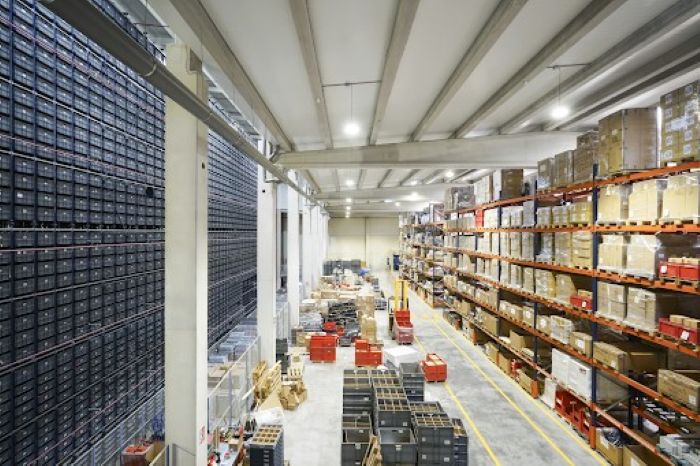
Finding the right mix of automation and manual labor is the secret to high performance. A study found that mixed operations improved throughput by 20% and kept error rates low.
Leadership in logistics should look for the “sweet spot” where automation adds the most value. It might be in the sorting area or the long-haul transport within the building.
Constant testing helps you find the right ratio for your specific facility. Even small changes in how humans and bots interact can lead to big jumps in efficiency.
Steps For Operational Success
Keeping an automated warehouse running requires a strict routine and a focus on maintenance. You cannot wait for a machine to break before you take action. Following a set of best practices keeps the wheels turning and the orders moving out the door.
- Schedule regular software updates to avoid system crashes.
- Train every worker on the basic safety protocols for robotic zones.
- Review performance data weekly to spot hidden slowdowns.
- Maintain a stock of spare parts for critical automated machinery.
- Get feedback from floor workers about how the tech is performing.
Using these steps helps prevent downtime that could cost thousands of dollars. It shows your team that you are serious about keeping the workplace organized. A disciplined approach to tech management is what separates top leadership in logistics from the rest.
Preparing Staff For Future Tech
The future of logistics will only become more reliant on smart systems and AI. Leaders must commit to ongoing education for their teams to keep up.
Encouraging a culture of learning keeps your workforce relevant as tools evolve. People who understand the logic behind the machines are more valuable to the company.
It builds a sense of career growth that keeps turnover low in a competitive industry. Investing in your people is just as important as investing in the hardware they use.
Leadership in logistics of automated warehouses is a complex job that changes every single day. You have to stay ahead of the curve to keep your facility profitable and safe. Focus on the connection between your people and your tools to find long-term success.