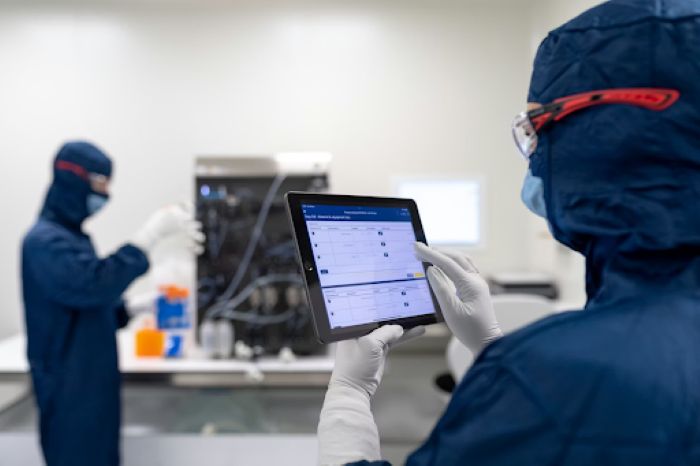
The sanitation sector is leaving behind the old ways of paper schedules and phone tag. Digital tools now let business owners see their whole operation from a single screen. These updates help teams run faster and keep cities cleaner. It is an exciting time for companies ready to adopt new sanitation tech.
Key Takeaways
- The sanitation sector is embracing digital tools to enhance efficiency and improve waste management operations.
- Cloud technology is expected to significantly grow, with the waste management software market projected to reach $11.97 billion by 2026.
- Real-time tracking and data management streamline waste logistics, helping companies maintain compliance and improve service.
- Intelligent automation and IoT sensors simplify inspections, reduce costs, and optimize routes for sanitation crews.
- Switching to SaaS models lowers costs for small companies, enabling them to use the same tools as larger firms.
Table of contents
Digital Growth in Modern Sanitation Tech
Managing waste is a huge global market that keeps expanding every year. One industry report expects the waste management software market to reach $11.97 billion by 2026. This trend shows that more firms are moving to the cloud to handle their data. Using digital platforms helps avoid the errors that come with manual entry. It gives owners peace of mind as they grow their fleets. They can spot trends in their business that were hidden before.
Automating Commercial Waste Logistics
Waste collection is no longer a manual guessing game for truck drivers. Companies that use grease trap business software can track every pump-out and inspection in real-time while managing their field crews. This level of visibility prevents overflow issues and keeps city inspectors happy. It allows a business to prove its compliance with just a few clicks. Keeping up with local rules is much simpler when data is stored in a single spot. Managers can send proof of service to a client before the truck even leaves the site.
Efficiency in Regional Markets
North America is currently leading the charge for these new tech solutions. A recent study found that this region held a 37.4% share of the digital waste market last year. Local teams want to see where their trucks are at every hour of the shift. This tech makes it easier to respond to emergency calls quickly. It reduces the time spent on the road and lowers fuel bills. Drivers enjoy having clear routes that avoid heavy traffic. Saving time on the road means more jobs can be finished by sunset.
Remote Monitoring and Smart Assets
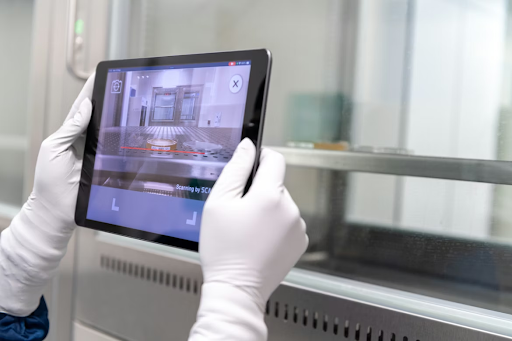
IoT sensors are changing how crews look at their equipment in the field. An engineering paper noted that smart pumps now track flow rates and energy use automatically. This data helps mechanics fix a small leak before it becomes a massive flood. High-tech sensors mean fewer wasted trips for empty bins. A market report estimates that the sanitation cloud platform market will hit $1.76 billion by 2026. Data flows from the bin directly to the office dashboard. Teams can plan their week based on actual waste levels instead of guesses.
Intelligent Automation and Training
Artificial intelligence is helping utility managers make better choices for their cities. A white paper predicts that agent-based sanitation tech will be a major driver for water operations in 2026. These tools help different departments share data without any friction. Newer workers benefit from these digital shifts. One field blog mentioned that augmented reality gives new techs step-by-step help on their phones. This reduces the learning curve for young pros entering the trade. It keeps safety protocols at the forefront of every job.
Data Integrity and Growth Trends
Secure records are a top priority for any business that deals with legal contracts. A technology article explained that blockchain provides records that are secure and cannot be changed by anyone. This tech keeps customer data safe from hackers and keeps payments organized. Putting the client first pays off for the bottom line, too. A service survey showed that 66% of firms saw growth after they improved their customer service. Happy clients tend to leave better reviews and refer more friends. They feel valued when they can see their service history online.
Cost Advantages of SaaS Models
Switching to the cloud does not need to break the bank for small companies. A forecast noted that these digital models help lower the starting costs for new software tools. This allows smaller shops to use the same tools as the biggest firms in the country. These systems grow as the business grows. Modern leaders can avoid the high price of buying their own servers and hardware.
- Real-time GPS for every truck in the fleet.
- Digital bills that get sent out right after a job.
- Mobile apps for techs to view their daily schedule.
- Cloud storage for photos of every service site.
- Secure portals where clients can pay their invoices.
- Auto-routing to find the fastest path between jobs.
- Inventory tracking for parts and tools in the warehouse.
Cloud tech is the new foundation for the entire sanitation world. It helps businesses stay organized and keeps the streets clean for everyone. Investing in these tools helps a company grow while keeping its clients very happy. The future of field service is digital sanitation tech, and it is arriving fast. Moving to these platforms is a smart move for any modern leader. It sets the stage for long-term success in a competitive field.