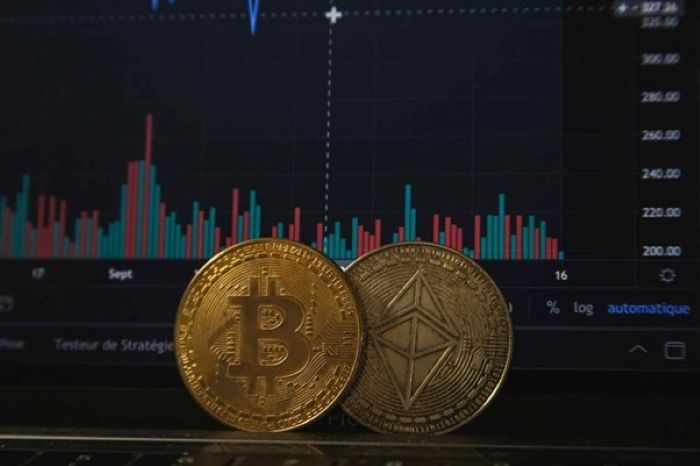
Traditional investments like stocks and bonds come with decades of financial history, audited balance sheets and quarterly earnings reports. Emerging blockchain assets have none of that. A new token can launch, attract millions in liquidity and collapse within weeks. For investors trying to figure out which projects have genuine long-term potential, real time data analytics has become the most important tool available.
Key Takeaways
- Traditional investments have a long track record, while emerging blockchain assets lack historical data, making real-time data analytics crucial.
- Real-time data analytics examines on-chain activities instantly, providing insights into wallet movements, transaction volumes, and liquidity flows.
- Investors utilize key metrics such as wallet activity, exchange flows, liquidity pool depth, developer activity, and social sentiment to assess asset health.
- Real-time analytics helps identify concentration risks, fake activity, and enables quick reactions to market changes.
- Emerging blockchain assets carry unique risks; thus, real-time data analytics assists in making informed investment decisions.
Table of contents
What Is Real Time Data Analytics?
Real-time analytics refers to a number of processes that examine large volumes of data as soon as it is generated. It is a form of data analytics that uses analytical tools such as TradingView and methods to deliver immediate insights. For blockchain investing, this means tracking on-chain activity like wallet movements, transaction volumes, liquidity flows and smart contract interactions the moment they occur on the blockchain.
Because public blockchains are transparent by design, every transaction and wallet balance is recorded on a permanent, publicly accessible ledger. On-chain analytics platforms like Glassnode, Nansen, CryptoQuant and DeFiLlama take this raw data and turn it into signals that investors can act on. The difference between real time analytics and traditional research is speed. In crypto markets, where a token can lose 40% of its value in an hour, the ability to see what is happening right now rather than what happened yesterday can be the difference between protecting capital and losing it.
How Investors Use On-Chain Data and What They Look At
Investors who take blockchain analysis seriously focus on a handful of key data points. Each one reveals something different about the health and trajectory of an asset.
Wallet Activity and Whale Tracking
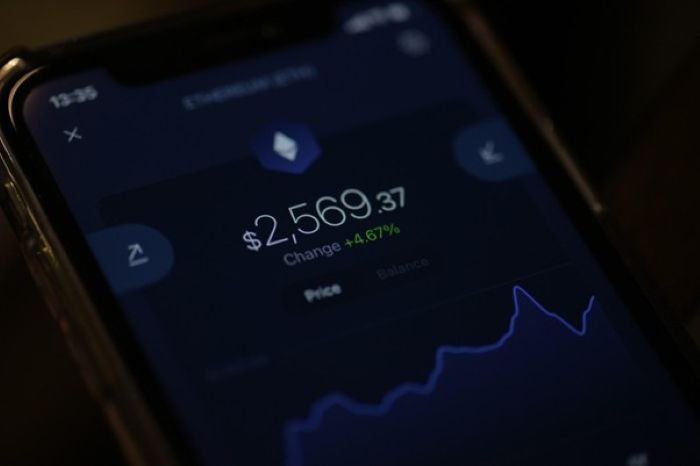
Wallet activity shows who is holding a token and how their behavior is changing. Large holders, often called whales, have an outsized impact on price. Platforms like Nansen label over 500 million wallet addresses, making it possible to identify institutional wallets, early investors and known fund addresses. If the top 10 wallets hold 80% of a token’s supply, the asset is dangerously concentrated. If those wallets start moving tokens to an exchange, a sell-off is likely on the way. Santiment reported a 61% week-over-week increase in whale transaction counts for certain tokens in March 2026, a signal that early movers caught well before the price reacted.
Exchange Flows
Exchange flows track how much of a token is moving onto or off of exchanges. A surge of inflows to exchanges typically signals that holders are preparing to sell. A surge of outflows suggests investors are moving assets into cold storage for long term holding. CryptoQuant specializes in tracking these flows alongside miner behavior and derivatives data, giving investors a clearer picture of short-term risk.
Liquidity Pool Depth
Liquidity is critical for DeFi tokens. A token might have a market cap of $50 million but only $500,000 in actual liquidity sitting in its trading pool. Any meaningful sell order at that level will crash the price. DeFiLlama provides free real time tracking of total value locked across hundreds of DeFi protocols, helping investors assess how fragile or robust an asset’s trading infrastructure really is.

Developer Activity
A blockchain project that is being actively built will show consistent code commits on platforms like GitHub. Rising developer activity is a positive signal that the team is working and improving the protocol. Declining commits and stale repositories are warning signs, regardless of what the token price is doing. For emerging assets with limited financial history, developer activity is one of the most reliable indicators of whether a project has a future.
Social Sentiment
Hype can inflate a token’s price temporarily but real time sentiment tracking helps separate genuine community adoption from manufactured buzz. Platforms like Santiment track social media mentions, community engagement and influencer activity alongside on-chain data. A spike in social mentions without a corresponding increase in wallet activity or liquidity often signals short lived speculation rather than real demand.
Why Real Time Analytics Is Critical for Emerging Blockchain Assets
Emerging blockchain assets carry unique risks that make real time analytics essential rather than optional. Here are the key reasons.
- Insufficient historical data: Most emerging tokens are less than a year old. They do not have the financial track record that traditional assets offer. Real time on-chain data fills this gap by providing a live, verifiable picture of how the asset is performing right now.
- High concentration risk: Many new tokens have their supply concentrated in a small number of wallets. Without real time tracking, an investor has no way of knowing when a large holder decides to sell. On-chain analytics surfaces this risk before the price drops.
- Vulnerability to wash trading and fake activity: Projects can inflate their transaction counts and total value locked to appear more popular than they are. Real time tools like Nansen and Dune Analytics, which supports custom dashboards across over 100 blockchains, allow investors to verify if on-chain activity is coming from real users or from a small number of wallets recycling funds.
- Speed of market movements: Crypto markets move faster than traditional ones. A stock might decline 5% over a week as bad news is priced in gradually. A blockchain asset can lose half its value in hours if a liquidity provider pulls out or a major wallet dumps its position. Real time monitoring catches these events as they happen, giving investors a chance to react before the damage is done.
How to Use Data to Make Better Investment Decisions
Emerging blockchain assets will always carry more risk than established ones and no analytics platform can eliminate that entirely. But real time on-chain data gives investors the ability to verify claims and spot warning signs early.