Manufacturing is one of those industries that has always adapted and evolved as times have moved on and new technologies have emerged, and it is continuing to do so now, but it is fair to say that AI in manufacturing is really starting to accelerate the pace at which change is necessary to a level that few people could have predicted. What once relied heavily on manual oversight and fixed processes is now becoming more and more adaptive, data-driven, and responsive.
AI now is not just improving how things are made, but it is also reshaping the ways in which manufacturing businesses think, plan, and operate.
Key Takeaways
- AI in manufacturing drives changes by enabling predictive operations, smarter production planning, and enhanced quality control.
- It helps improve supply chain visibility and supports human workers by taking over repetitive tasks.
- AI integrates seamlessly with existing systems, allowing manufacturers to enhance operations without complete overhauls.
- The technology also fosters energy efficiency and customization at scale, meeting evolving customer demands.
- Despite challenges, implementing AI offers significant benefits, marking a new era for manufacturing operations.
Table of contents
- From Reactive to Predictive Operations
- Smarter Production Planning
- Enhanced Quality Control
- Improving Supply Chain Visibility
- Supporting Human Workers
- Integrating With Existing Systems
- Driving Energy Efficiency
- Enabling Customization at Scale
- Faster Innovation Cycles
- Challenges To Consider
- AI In Manufacturing: A New Era for Manufacturing
From Reactive to Predictive Operations
Traditional manufacturing often relies on reacting to problems after they occur. AI shifts this approach by enabling predictive capabilities. By analyzing data from machines, sensors, and production lines, AI systems in AI in manufacturing can identify patterns that signal potential issues before they happen.
This means maintenance can be scheduled proactively rather than reactively. Equipment failures become less frequent, and production interruptions are reduced. The result is a smoother, more reliable operation.
Smarter Production Planning
Planning production used to involve a really complex mix of experience, estimates, and static data that needed to be interpreted. AI introduces a much simpler and more dynamic approach because in AI in manufacturing it can analyze demand patterns, supply chain variables, and production capacity in real time. This makes it possible for businesses to adjust schedules much more quickly and efficiently than ever before.
So, instead of relying on fixed plans, manufacturers can respond to changes pretty much as they happen, and this will obviously improve efficiency and customer satisfaction significantly.
Enhanced Quality Control
Maintaining consistent quality is a constant challenge in manufacturing. AI-powered systems can monitor production in real time, using visual recognition and data analysis in AI in manufacturing environments to detect defects that might be missed by the human eye. These systems can flag issues instantly, allowing for immediate correction. This not only improves product quality but also reduces waste and rework.
Improving Supply Chain Visibility
Supply chains are becoming more and more complex, and disruptions can have a significant impact on the success of any business, but in AI in manufacturing this is an area where AI can also help by providing greater levels of visibility across the whole of the supply chain. It can track materials, predict delays and even suggest alternative solutions if and when any problems do arise.
This increased level of insight is so useful because it allows manufacturers to make better decisions and maintain a high level of continuity even in the most challenging of conditions.
Supporting Human Workers
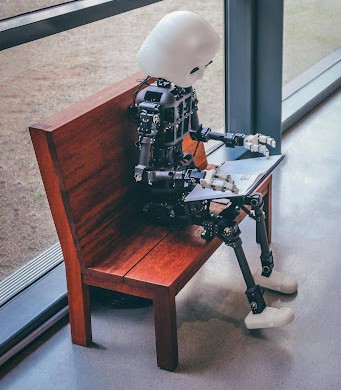
There is often concern that AI will replace human roles in manufacturing. In reality, it is more likely to change how people work. AI can take over repetitive or data-heavy tasks, allowing employees to focus on more skilled and strategic activities. This shift can lead to increased job satisfaction and better use of human expertise.
Integrating With Existing Systems
One of the biggest strengths of AI is its ability to work alongside the existing infrastructure that is already in place. Manufacturers do not need to replace all of their equipment to benefit from the use of AI. Instead, they can simply integrate AI into their current systems to help those systems perform even better than they already are.
For example, even machinery that relies on traditional equipment like V-belts to automate production lines can be monitored using AI-driven sensors that can track wear, performance, and efficiency to help manufacturing businesses extend the life of their equipment and stop unexpected failures from happening.
Driving Energy Efficiency
Energy use is a major concern for many manufacturers. AI in manufacturing can analyze energy consumption patterns and identify areas where improvements can be made. This might involve adjusting production schedules, optimizing machine usage, or reducing waste.
Over time, these changes can lead to significant cost savings and a more sustainable operation.
Enabling Customization at Scale
Customers increasingly expect products tailored to their needs, and this is something that AI can help businesses to achieve in a way that does not sacrifice their efficiency. By analyzing data and automation adjustments, manufacturers can very easily produce variations in their products to keep the customers happy and keep them coming back for more.
This level of flexibility is great because it means it’s more easy for businesses to meet changing demands without losing out on money due to lost productivity.
Faster Innovation Cycles
AI also supports innovation. By analyzing data from multiple sources, it can identify trends, test ideas, and simulate outcomes more quickly than traditional methods. This speeds up the development process and allows businesses to bring new products to market faster. Innovation becomes more continuous rather than occasional.
Challenges To Consider
Of course, AI is not without its challenges, no matter how many benefits it can bring to the manufacturing sector, and it is important to always bear that in mind if you are thinking about implementing it into your operations.
In order to implement AI effectively, you will need to invest in not only the technology, but also the training of your staff to be able to use it effectively, and you will need to make sure that the data that is being created is accurate, and this is not always easy, but if you take a thoughtful approach to AI implementation, you should be able to address any challenges early on and overcome them.
AI In Manufacturing: A New Era for Manufacturing
AI in manufacturing is not just another tool. It represents a shift in how manufacturing operates. By moving towards predictive systems, smarter planning, and greater efficiency, businesses can create more resilient and adaptable operations. Even traditional elements like V-belts can play a role within this new landscape when combined with modern monitoring technologies.
The result is a manufacturing environment that is more responsive, efficient, and capable of meeting future demands, so it is fair to say that AI in manufacturing is here to stay and the sooner you are able to implement it, the better it will be for your manufacturing operations.