Your personal data is now a highly valuable asset online. Companies gather details about your browsing, shopping, and location daily. Governments worldwide are introducing laws that mandate internet providers to log user activities. This scenario poses a significant threat to your online privacy from various angles. The shift towards a regulated internet has reshaped how Americans interact with the web.
Data breaches impact millions annually. Giants like Facebook, Amazon, and Google profit from selling user data to advertisers. Internet service providers also track your online activities and searches. These actions underscore the need for robust online privacy measures.
VPN protection has become crucial for those who value their digital security. A virtual private network encrypts your internet connection and conceals your location. It shields your personal data from hackers, advertisers, and surveillance. By routing your traffic through secure servers, VPNs effectively hide your online identity.
FreeVPNmentor acts as your navigator through the intricate privacy solutions landscape. We aim to discern which VPN services genuinely safeguard your data. Our mission is to debunk marketing hype and offer unbiased VPN evaluations. This piece delves into the threats to your online privacy and how VPNs counter them in a regulated internet.
Grasping the significance of VPN protection begins with acknowledging the risks. Your browsing history, financial dealings, and personal communications demand robust security. This guide will equip you with the knowledge to choose and utilize VPN services effectively.
Key Takeaways
- Data breaches and corporate tracking threaten your personal information every day online
- Government regulations in the United States require internet providers to store your activity data
- VPN protection encrypts your connection and masks your location from third parties
- FreeVPNmentor helps you evaluate VPN services based on real security standards
- Choosing the right VPN requires understanding encryption protocols and data policies
- Online privacy protection is no longer optional for most internet users
- VPN technology continues to evolve as threats to your digital privacy grow more sophisticated
Table of contents
The Growing Threat to Digital Privacy in an Increasingly Regulated Internet
Your online activities are under intense scrutiny today. Privacy concerns arise from various entities that track, monitor, and store your personal data. By understanding these threats, you can better protect yourself online. Websites like freevpnmentor.com offer crucial advice on safeguarding your digital footprint in our complex internet world.
Government Surveillance and Data Retention Laws
Government agencies are collecting vast amounts of internet user data legally. Laws such as the USA PATRIOT Act and FISA amendments allow for data collection on American citizens. Internet Service Providers must keep detailed logs of your online activities under data retention laws. This enables government surveillance that impacts millions daily, often without warrants or public awareness.

Corporate Data Collection and Third-Party Tracking
Major tech companies rely on corporate tracking to build their business models. Google, Meta, and Amazon use advanced tools like tracking pixels and browser fingerprinting to track your online movements. Advertising networks create detailed profiles of your behavior and preferences. These profiles are then sold to thousands of companies without your consent, generating billions in revenue while compromising your privacy.
The Erosion of Net Neutrality and Online Freedom
Net neutrality protections once ensured fair internet practices. The 2017 repeal gave Internet Service Providers the legal power to throttle your connection speeds and implement paid prioritization schemes. Companies can now slow down certain websites while speeding up others for a fee. This erosion of net neutrality restrictions severely limits your access to online information and your digital freedom.
How VPN Technology Safeguards User Privacy and Security
VPN technology acts as a shield, protecting your device from the regulated internet. When you use a VPN, your data travels through an encrypted tunnel. This tunnel keeps your online activities hidden from unwanted eyes. Internet service providers, government agencies, and hackers cannot intercept your data.
This secure tunneling transforms your internet use into a private journey. It turns the open internet into a secure path, safeguarding your privacy.
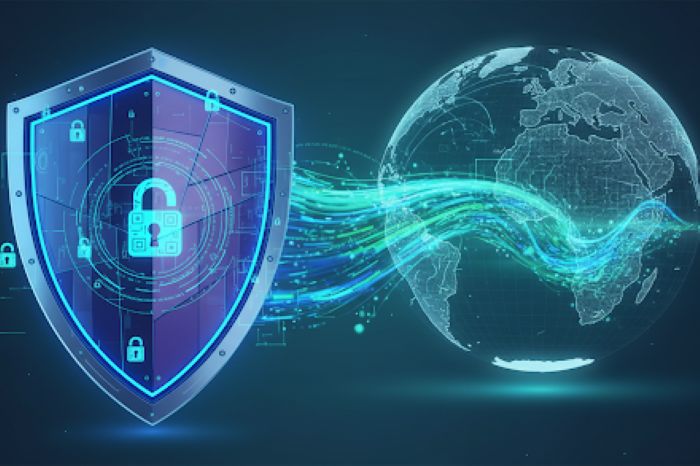
IP masking is a crucial aspect of VPN technology. It conceals your real IP address, replacing it with the VPN server’s. This is like wearing a disguise that changes your appearance. Websites see the VPN server’s location, not yours, ensuring your anonymity.
Encryption is the cornerstone of privacy protection. Your data is scrambled into unreadable code, requiring special keys to decode. Even if intercepted, your information remains secure, thanks to encryption.
VPNmentor research highlights the importance of strong encryption standards. They protect against current threats and prepare for future security challenges.
Real-world examples show the significance of VPN technology. Journalists protect confidential sources, remote workers access company networks safely, and everyday users prevent ISP tracking. Activists in restrictive environments use VPNs to communicate freely.
However, it’s important to understand VPN limitations. VPNs cannot block malware or stop phishing attacks. You must trust your VPN provider with your data. Despite these limitations, VPN technology remains crucial for privacy protection in today’s digital world.
FreeVPNmentor: Evaluating VPN Solutions for Maximum Protection
Choosing the right VPN service is more than just picking a name. It’s about understanding the real differences between privacy tools and marketing hype. FreeVPNmentor offers detailed VPN evaluation resources to guide users through this complex world. At freevpnmentor.com, readers find in-depth analysis of VPN features crucial for digital privacy protection. The platform rigorously tests each service, focusing on what truly matters, not just vendor promises.
Understanding your needs is the first step in a strong VPN evaluation. Privacy-focused users should look for services that genuinely protect user data. This means checking if a provider has a verified no-logs policy through independent audits, not just corporate claims.
Key Features to Look for in a Privacy-Focused VPN
Top VPN services share key features that boost security and reliability. A solid no-logs policy is essential, ensuring your browsing activity stays private. Independent audits from trusted security firms confirm these policies, proving providers can’t access your data, even under legal pressure.
The size of a server network is crucial for both speed and privacy. Services with thousands of servers across various countries offer better performance options. Connection speed varies by protocol, with WireGuard being faster than traditional ones. The ability to protect multiple devices at once is also important. Clear privacy policies build trust, unlike complex legal documents that hide important details.
Understanding VPN Protocols and Encryption Standards
VPN protocols dictate how your data travels and how secure it remains. OpenVPN offers strong security but slower speeds. WireGuard, on the other hand, provides modern encryption with better performance. IKEv2/IPsec strikes a balance between security and speed, depending on your device and location.
Encryption standards safeguard your information from interception. AES-256 bit encryption is military-grade, the same level used for government communications. FreeVPNmentor’s testing includes DNS leak tests, IP leak tests, and speed benchmarking across servers. This ensures evaluations are thorough and unbiased. Providers like ProtonVPN and Mullvad demonstrate real privacy commitment through open-source code and independent audits. They show that robust privacy protection is possible in the VPN market today.
Conclusion: How VPNs Protect Users in a Regulated Internet
The threats to online privacy discussed in this article are real and significant for users in a regulated internet. Government surveillance programs are expanding annually. Corporations are collecting vast amounts of personal data. Internet regulations are becoming stricter worldwide. These trends are unlikely to reverse on their own. Therefore, VPN adoption has become crucial for those who value digital rights and wish to safeguard their personal information.
VPN technology emerges as a practical solution for internet users. It cannot solve every privacy issue. No single technology can offer complete protection. However, VPNs provide users with control over their digital presence. They conceal your location from websites and encrypt your communications, preventing others from accessing them. VPNmentor assists in finding VPN services that uphold these promises. Choosing a VPN with strong privacy standards is a significant step towards reclaiming digital autonomy in an era of increasing internet regulation.
The future of online privacy will introduce new challenges and solutions. Decentralized VPN networks and integrated VPN features in operating systems or browsers may become more prevalent. Federal privacy laws might demand better data handling from companies. The debate between surveillance advocates and digital rights defenders will escalate. Privacy is not about secrecy but about safeguarding fundamental rights in a rapidly digitalizing world. Your decision to use a VPN demonstrates your understanding of this principle.
As we move forward, it’s essential to research privacy options thoroughly. VPNmentor offers detailed insights into VPN services tailored to various needs and threats. Whether you’re a journalist, run an activist group, manage a business, or simply use the internet regularly, your privacy is paramount. Choose a VPN that suits your specific needs. Learn about the functionality of these tools. Stay informed about changes in internet regulations and digital rights. By doing so, you not only safeguard your data but also your freedom in the digital realm.