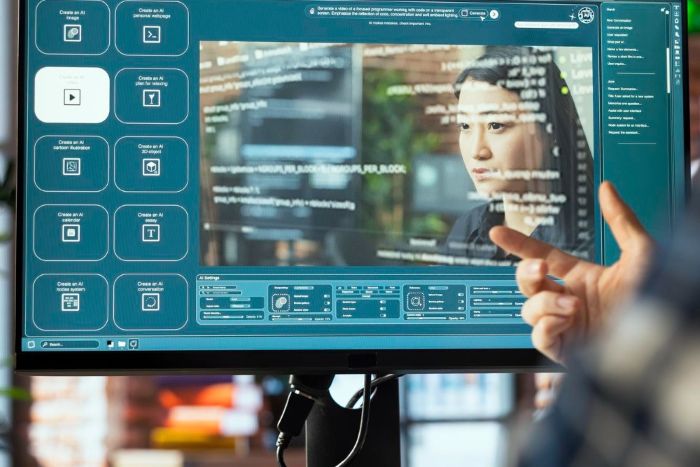
AI is shaking up corporate video in 2026, and the shift is bigger than anyone expected. What used to take weeks of planning, scripting, and editing now moves at a pace that keeps up with real creative momentum.
Teams jump from idea to execution with fewer roadblocks, clearer direction, and far more room to experiment. In this article, you’ll discover eight powerful ways AI is reshaping workflows and helping brands create sharper, faster, and more personalized video content.
Table of contents
1. Generative Ideation
Creative development used to be one of the slowest parts of corporate video production because teams had to build ideas from scratch and make sure they aligned with strategy. Generative ideation tools now speed things up by offering early visual variations, tonal options, and narrative outlines that jump-start the process.
Here are a few ways AI expands early possibilities:
- Mood inspirations
- Storyline variations
- Early visual mocks
With these ideas already formed, meetings become faster and more focused, helping teams evaluate strong concepts instead of struggling to create them on the spot.
2. Real Time Virtual Production
Virtual production has expanded from specialty studios to organizations of all sizes. AI-powered environments let teams create realistic settings, moving backdrops, and live composites without extensive set builds or travel. Teams can deliver polished scenes for training, product storytelling, and executive communication.
The technology blends creativity with practicality, allowing teams to produce ambitious ideas on shorter timelines. As brands compare AI-driven scenes with traditional filming, many look at examples of real-world professional work, such as corporate video production services, to understand when a full production crew provides more impact.

3. Script Drafting with Guardrails
Scriptwriting has become more efficient thanks to AI systems that follow brand rules and approved language while assembling a draft. Teams no longer need to worry about major tone mismatches because the structure begins with guardrails that keep messaging familiar and trustworthy.
Editors can focus on refining emotional tone, simplifying technical details, and improving flow instead of wrestling with the first version of the script. These tools also help coordinate multiple departments because early drafts reflect the same standards, no matter who starts the outline.
4. Ethical Voice Synthesis
Voice synthesis took a leap forward with secure consent systems that protect narrators and avoid unauthorized use. Once voices are enrolled, teams can generate updates for multilingual versions or late script adjustments without pulling people back into the studio.
Production speeds up, and teams maintain a consistent sound across videos, which is important when content goes out across different regions and platforms. Companies also gain more control over usage rights because the systems log how each synthesized line is created and tracked.
5. Assistive Editing
Editors are experiencing one of the biggest workflow shifts of the year. Assistive editing tools automatically identify scenes, isolate meaningful moments, and generate early rough cuts that are ready for refinement. Video projects keep moving even when editors are managing multiple deadlines.
The creative vision still comes from the human team, but the amount of manual sorting and trimming is significantly reduced. Because early passes are built faster, reviewers can provide feedback sooner and keep projects on schedule.
6. Automated B Roll Retrieval
Finding the right B-roll can be slow when teams sift through years of archived footage or large licensed libraries. Automated tools speed things up by scanning visuals, actions, and themes to highlight the most relevant clips. This makes a big difference in several key areas, including:
- Large video archives
- Rapid content repurposing
- Complex shot matching
With the search work handled automatically, editors can focus more on shaping stronger stories, which helps teams that publish frequent updates, onboarding content, or product demos.
7. Adaptive Subtitles and Localization
Localization now moves much faster because adaptive AI systems rework subtitles and on-screen text for timing, phrasing, and cultural clarity. Instead of simply translating words, these tools adjust pacing and tone so the final result feels natural to each regional audience.
Global teams release consistent content across markets without long delays or complicated manual revisions. The approach also removes a large portion of the repetitive tasks that typically slow down global rollout.
8. LLM Powered Video Summaries
Executives and decision makers need digestible information, especially when they don’t have time to watch long videos. LLM-powered tools generate clear summaries, highlight segments, and explain key takeaways to keep teams informed without extensive review.
The feature supports training, analytics, and internal communication because teams can gather insights quickly and respond to viewer patterns more effectively. Summaries also help content creators refine future videos based on what viewers engage with most.
How Teams Can Build Stronger Workflows This Year
AI keeps reshaping how teams plan, produce, and refine their corporate videos, but the most impressive results still happen when human creativity guides the process. Blending smart tools with thoughtful strategy gives teams the freedom to move faster without losing quality.
As you prepare for your next project, reviewing real examples of polished work can spark ideas and reveal what is possible. Those examples often help teams choose updates that make the biggest impact on their workflow.