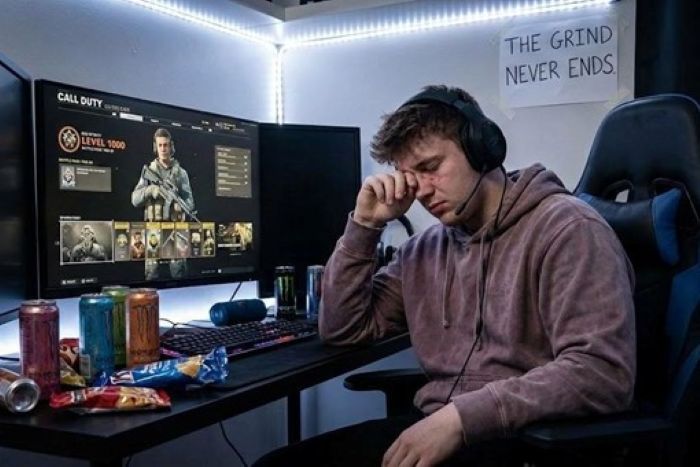
Welcome to modern gaming, where your big reward is a fresh checklist and a timer that smiles at you. You launch a shiny new title, you enjoy the first hours, then the wall appears. Daily tasks blink on the screen, season tracks stretch far into the distance, and your free evening starts to look like a work shift, especially in grind-heavy games where progress can demand hours of repetitive play.
It’s no surprise that Hypackel-style platforms are getting attention from players looking for a shortcut around the grind.
Key Takeaways
- Modern grind-heavy games often impose repetitive tasks, making progress feel like a chore rather than an adventure.
- Games like The First Descendant and Throne and Liberty exemplify grind-heavy mechanics with daily tasks and repeating missions.
- Developers prefer grind-heavy designs to enhance player retention, as timers and limited resources keep gamers engaged longer.
- Critics note that grind-heavy games can lead to feelings of frustration and burnout, necessitating breaks for players.
- Ultimately, players should prioritize their time, as the real rarity in grind-heavy games may be preserving their free time.
Table of Contents
Why New Games Push Heavy Grind
A grind-heavy game can feel fine when progress comes at a fair pace, and the loop stays exciting. In recent live service design, progress often moves behind time gates and repeats tasks. You clear one mission, then you clear it again with a slightly stronger enemy. You finally get the item, then the stats roll in a weak way. The game keeps you inside the same circle and calls it content.
| Game | Main grind loop | What it blocks |
|---|---|---|
| The First Descendant | Repeat missions for character parts | New builds and power spikes |
| Throne and Liberty | Daily contracts and material farming | Gear upgrades and traits |
| Skull and Bones | Resource farming loops | Ship progression and endgame |
| Suicide Squad – Kill the Justice League | Replay missions for higher tiers | Season gear and mastery |
| Zenless Zone Zero | Stamina-based material farming | Agent levels and upgrades |
| Wuthering Waves | Waveplate farming for Echoes | Build optimization |
| Once Human | Resource and base loops | Craft tiers and stability |
| Granblue Fantasy – Relink | Boss farming for sigils | Full build power |
| Helldivers 2 | Medal farming for Warbonds | Weapon pages and gear |
| Path of Exile 2 | Map and Atlas climb | Endgame bosses |
1) The First Descendant
This looter shooter looks fast and explosive, yet progress ties strongly to repeat runs for character parts and modules. You enter the same mission, fight through the same rooms, and hope the drop finally appears. When it appears, you still need more pieces. The grind stands at the center of the experience, and build variety waits behind a long sequence of farming sessions.
2) Throne and Liberty
This MMORPG presents large zones and big battles, yet endgame progression often circles around daily contracts and material gathering. Gear traits demand rerolls that consume resources, and those resources come from steady repetition. After the main story, the rhythm shifts toward structured routine, where improvement feels tied to habit rather than adventure.
3) Skull and Bones
The pirate fantasy promises open seas and freedom, yet progression depends on gathering materials and currency for ship upgrades. You sail between points, collect supplies, craft components, and repeat the route. The sense of exploration fades when efficiency replaces discovery, and the sea becomes a delivery line.
4) Suicide Squad – Kill the Justice League
The campaign moves quickly, then the endgame opens into mission replays with stronger enemies and higher numbers. You chase higher loot tiers and mastery levels, yet the core structure stays the same. Encounters change little, while the demand for improved gear grows steadily.
5) Zenless Zone Zero
This action title builds its system around a stamina resource that limits farming sessions. Upgrade materials require Battery Charge, and Battery Charge refills on a clock. When the resource runs out, character growth pauses. You return later, repeat stages, and continue the slow climb.
6) Wuthering Waves
Combat feels sharp, yet building power relies on Echo sets and tuning materials. Tacet Fields consume Waveplates, and optimization requires both luck and repeated claims. Even when you secure a strong Echo, upgrading it demands more farming, which keeps the cycle active.
7) Once Human
This survival shooter centers on gathering resources and maintaining your base. Crafting higher tiers requires steady supply routes, and base stability depends on ongoing upkeep. The map becomes a network of planned runs rather than a wild space to explore.

8) Granblue Fantasy – Relink
After the story concludes, the real progression begins with boss farming for sigils. Strong builds require rare drops with suitable traits. You defeat the same bosses repeatedly, hoping for ideal roles that unlock full potential.
9) Helldivers 2
This co-op shooter delivers intense missions, yet new gear sits behind Warbond pages. Unlocking those pages requires medals earned through operations. You complete missions, gather medals, unlock one piece, then continue toward the next tier.
10) Path of Exile 2
This action RPG extends its true depth into maps and Atlas progression. After the campaign, advancement focuses on clearing maps and unlocking nodes that lead to stronger encounters. The endgame opens wide, yet the path forward demands steady repetition.
Why Grind-Heavy Games Design Keeps Spreading
Live service structure favors long engagement cycles. Timers, battle passes, and limited resources keep players returning daily. Progress stretches across weeks, and short sessions rarely deliver major leaps. Developers gain retention, while players face extended ladders.
The idea of a grindwall appears in discussions about competitive ecosystems, where time investment becomes a form of gatekeeping. In a similar fashion, some modern titles lean on time barriers that stretch progress thin. For players who feel overwhelmed, game boosting sometimes appears as a shortcut, yet the core issue stays in the system design.
Closing Thoughts on Endless Ladders
Modern grind-heavy games can look grand and polished at launch, then slowly reveal their true engine. That engine runs on repetition and patience. When the loop feels like unpaid overtime, stepping away becomes the boldest power move. The rarest drop in these worlds might be your own free time, and guarding it can feel like the real endgame.