Cars are smarter than ever, but distracted driving remains a serious danger. Many believe distraction mainly comes from texting, but modern vehicle technology can distract in other ways as well. Features like touchscreens and driver-assist tools can take attention away from the road and create a false sense of safety.
After a crash, drivers might think they were careful because their car was “helping.” However, having features like lane-keeping or adaptive cruise control doesn’t mean they aren’t responsible. Knowing how this technology affects attention can help reduce risks and explain why accidents happen. If you’re exploring claims after an injury from a crash, Taxman, Pollock, & Bekkerman, LLC can help assess what contributed to the accident and how to document it.
Table of contents
- The Touchscreen Era: Eyes Off the Road by Design
- Alerts Everywhere: When Safety Warnings Become Noise
- Overtrust in Driver-Assist: The Psychology of “It’s Got It”
- Infotainment and Connectivity: The Car as a Smartphone
- Modern Vehicle Technology Comforts That Encourage Multitasking
- When Inattention Meets New Vehicle Power and Size
- What Drivers Can Do to Counter Tech-Driven Distraction
- How These Issues Matter After a Crash
- Today’s Cars Can Make Distraction Easier—and More Dangerous
The Touchscreen Era: Eyes Off the Road by Design
The biggest change in modern vehicle technology is the move from physical knobs to large touchscreens. Even simple tasks—adjusting temperature, changing music, turning on defrost—can require navigating menus. That increases “glance time,” which is one of the most dangerous forms of distraction because the vehicle continues traveling the full distance while the driver is not looking at the roadway.
Touchscreens also encourage visual confirmation. When you turn a knob, you can often do it by feel. When you tap a screen, you usually look. That design difference can turn a two-second adjustment into a five- to eight-second eyes-off-road sequence, especially when the screen is laggy or the menu layout is unfamiliar.
Alerts Everywhere: When Safety Warnings Become Noise
Modern cars deliver constant alerts—lane departure, forward collision warnings, blind-spot warnings, speed limit notifications, driver attention prompts, and phone pairing alerts. While many of these are meant to improve safety, they can also create “attention fragmentation,” where the driver’s focus is repeatedly pulled away from real hazards.
There’s also the problem of “alarm fatigue.” If a system beeps too often for non-dangerous situations, drivers may start ignoring alerts—sometimes including the one alert that matters most. Or worse, drivers may look down at the dashboard to interpret the warning while the hazard is unfolding in front of them.
Overtrust in Driver-Assist: The Psychology of “It’s Got It”
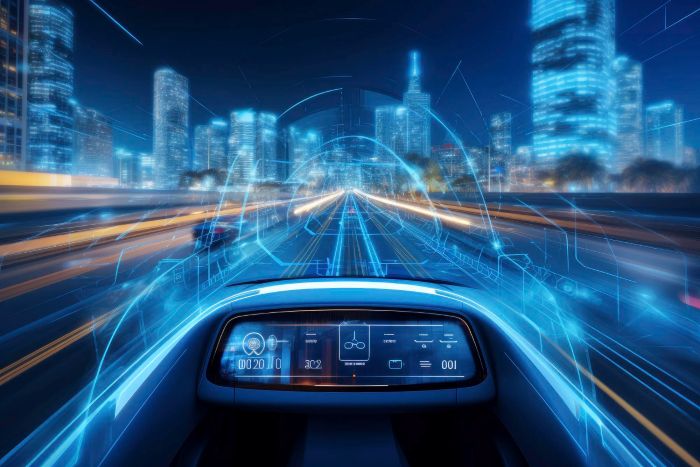
Driver-assist features can reduce certain crash risks, but they also create a new temptation: letting the car do more than it’s designed to do. Adaptive cruise control and lane centering can make long drives feel easier, which is exactly when drivers may start checking messages, eating, or mentally “checking out.”
The most dangerous part is not malice—it’s overtrust. The driver feels the car is stable and “handling it,” so attention drifts. But many modern vehicle technology systems have limits: glare, rain, faded lane markings, construction zones, and sudden cut-ins can cause the system to disengage or fail to detect a hazard in time. When attention has already slipped, the driver’s reaction window is smaller.
Infotainment and Connectivity: The Car as a Smartphone
Vehicles now mirror smartphones through platforms that make messages, navigation, calls, playlists, and apps available in the dash. This increases convenience—but it also increases the number of tempting interactions available while driving.
Even “hands-free” tasks can be mentally distracting. Dictating a message, searching for a destination, or troubleshooting Bluetooth connection issues can pull cognitive focus away from the road. Drivers may keep their eyes forward while their mind is elsewhere, which can be just as dangerous in complex traffic.
Modern Vehicle Technology Comforts That Encourage Multitasking
Modern vehicles are designed to feel like mobile living rooms: heated seats, streaming audio, built-in apps, and quiet cabins that reduce the sense of speed. That comfort can encourage behaviors that were less common in older cars—eating full meals, doing work calls, or letting kids watch screens in a way that pulls the driver’s attention.
The quieter and smoother the ride, the easier it is to forget how quickly risk can develop. A moment of inattention at 40 mph covers a lot of ground; at highway speeds, it can be the length of a football field or more in seconds.
When Inattention Meets New Vehicle Power and Size
Many modern vehicles are heavier, faster, and have stronger acceleration than older models. SUVs and trucks are common, and even family vehicles may have quick pickup. Inattention becomes more dangerous when the vehicle can surge forward quickly or when a heavier vehicle increases the stopping distance and impact force.
This is one reason rear-end crashes can be especially severe today. A distracted driver in a large, powerful vehicle may not brake until the last moment, and the collision energy can be devastating to smaller cars.
What Drivers Can Do to Counter Tech-Driven Distraction
The solution isn’t to reject modern vehicle technology—it’s to use it deliberately. Set navigation and playlists before driving. Use voice controls sparingly and keep interactions short. If you need to change settings, pull over. Turn off non-essential alerts if your system allows it. Keep your phone out of reach or in “do not disturb” mode to reduce temptation.
Also, treat driver-assist as assistance, not autonomy. Keep hands ready, scan mirrors, and assume the system may miss something. The best mindset is: “The car supports me, but I drive.”
How These Issues Matter After a Crash
After a collision, driver inattention is often disputed. The at-fault driver may claim they were watching the road. But modern vehicles can contain valuable evidence: infotainment logs, phone pairing records, crash data, and in some cases, camera footage. Witnesses may also describe “head-down” behavior, drifting, or delayed braking that suggests distraction.
In cases involving driver-assist systems, the question may include whether the driver relied on features inappropriately or ignored warnings. These details can shape liability and help explain why a crash happened even when drivers insist they were “being careful.”
Today’s Cars Can Make Distraction Easier—and More Dangerous
Modern vehicle technology offers real safety benefits, but they also create new pathways to inattention. Touchscreens increase glance time, constant alerts fragment focus, connectivity invites multitasking, and driver-assist can encourage overtrust.
The key is remembering that no technology replaces active attention. When drivers treat the car like a co-pilot rather than a chauffeur, safety improves—and preventable crashes become less common.