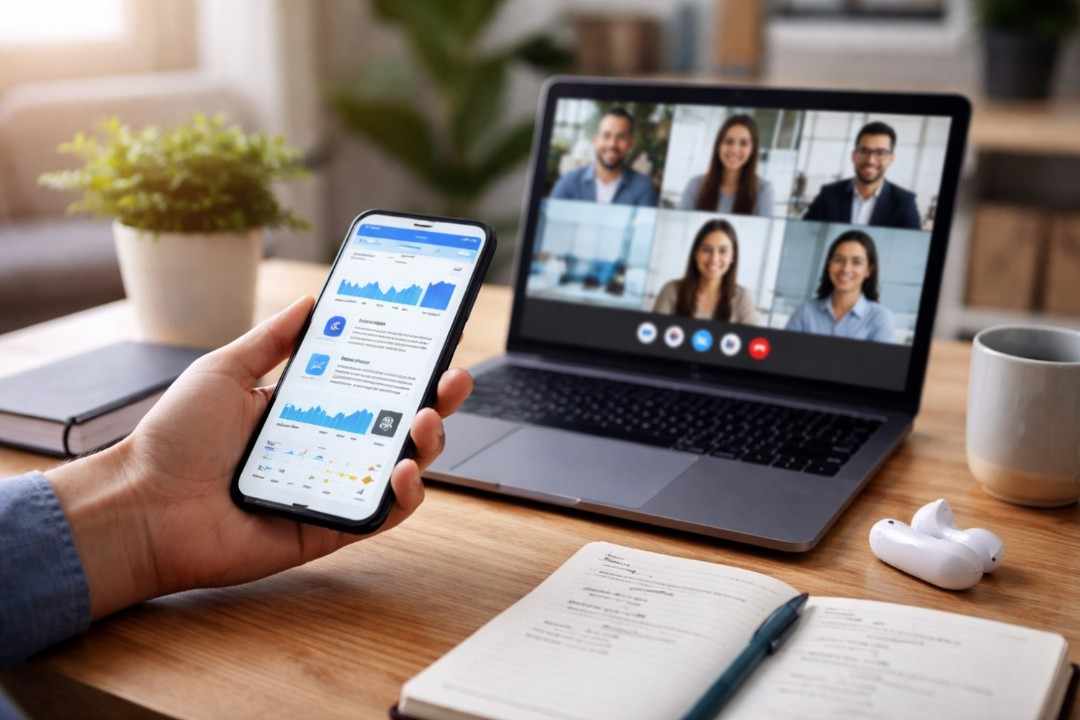
Remote work is no longer a temporary trend. In 2026, it has become a long-term operational model for businesses across industries, from tech startups and digital agencies to healthcare administration and logistics teams. While laptops remain essential for deep work, smartphones for remote workforce productivity are increasingly becoming the most important device for daily productivity, real-time collaboration, and mobile decision-making.
As smartphone costs rise, many businesses and remote professionals are also turning to smarter upgrade options such as Apple refurbish iPhone devices, which offer a cost-efficient way to maintain Apple ecosystem reliability while supporting sustainability through extended device lifecycles.
Smartphones have evolved into powerful business tools that support secure access to cloud systems, communication platforms, and workflow applications. For many remote employees, the smartphone is no longer a secondary device. It is the first device they check in the morning and the last one they use before signing off.
This shift is transforming how companies operate, how teams stay connected, and how productivity is measured in a digital-first workforce powered by mobile workforce technology.
Table of contents
- Smartphones Are Becoming the Remote Worker’s Command Center
- Security Is Now a Major Part of Remote Work Technology
- Collaboration Tools Are Designed for Mobile-First Teams
- Smartphones Are Helping Businesses Reduce Remote Work Costs
- Flagship Devices Still Shape Remote Work Standards
- Sustainability Is Becoming Part of Technology Procurement
- Conclusion
Smartphones Are Becoming the Remote Worker’s Command Center
One of the biggest changes in remote work is that much of the work now happens outside traditional desktops. Employees manage emails, approve documents, respond to client requests, and coordinate with teams directly from their phones. As a result, many professionals are choosing cost-effective yet reliable devices, such as an Apple refurbish iPhone, to stay productive without overspending on brand-new hardware.
Modern smartphones now support tasks that were once limited to laptops, including:
- cloud-based file access
- real-time document editing
- calendar scheduling and automation
- customer support and CRM tools
- secure business communication
This has reduced response times across remote teams. Employees no longer need to be at a desk to stay productive, which gives businesses greater flexibility and improves workflow speed.
Security Is Now a Major Part of Remote Work Technology
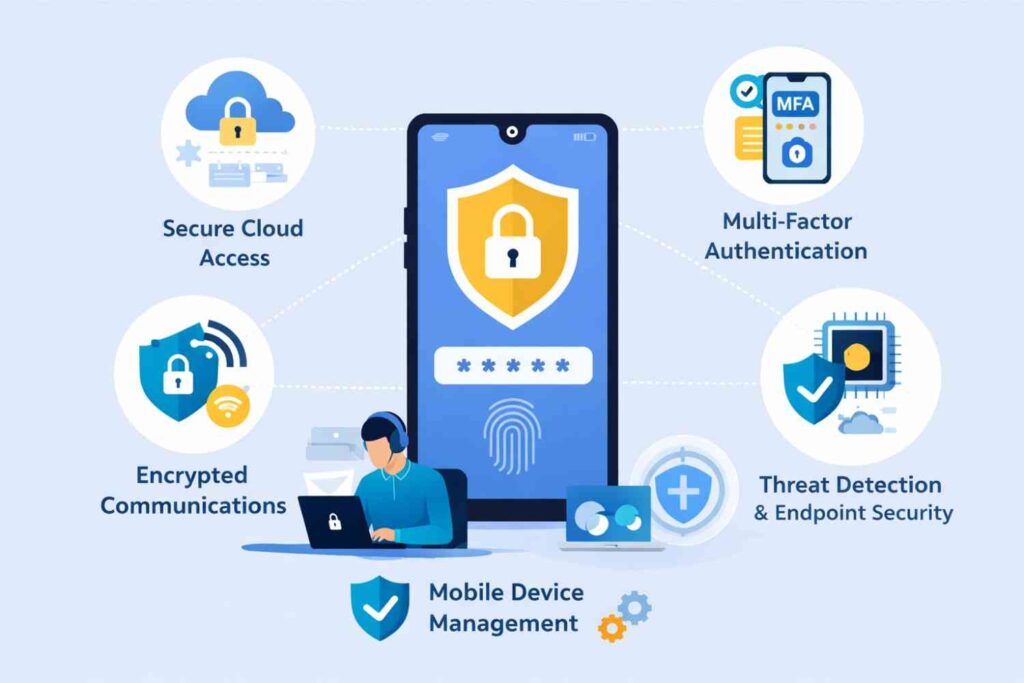
As smartphones become central to remote work, security risks increase. Employees often access company systems from home Wi-Fi, shared networks, or even public hotspots. In many cases, smartphones also store sensitive business information such as emails, documents, passwords, and authentication tools.
This is why businesses are investing more heavily in mobile security solutions, including:
- biometric authentication
- encrypted messaging
- VPN usage
- multi-factor authentication
- mobile device management systems (MDM)
A lost or compromised smartphone can quickly become a serious data risk. As a result, many organisations are treating mobile security as part of their core IT infrastructure rather than an afterthought.
Collaboration Tools Are Designed for Mobile-First Teams
Remote work has expanded because collaboration platforms have become more mobile-friendly. Employees can now join meetings, review shared files, and communicate with teams instantly through smartphones.
This is especially true with enterprise platforms such as Microsoft Teams, which has become a standard tool for businesses managing distributed workforces. Mobile collaboration tools allow employees to stay connected even when they are away from their laptops, making remote work more responsive and efficient.
This trend has also influenced expectations for smartphones. Remote workers now demand better microphone quality, smoother video calling, stronger connectivity, and longer battery life because their phones are used for business communication daily.
Smartphones Are Helping Businesses Reduce Remote Work Costs
Smartphones are not only improving productivity. They are also reducing operational costs. Many companies are using smartphones as a flexible technology layer, reducing the need for heavy equipment setups.
For certain roles, employees can handle daily work tasks through mobile systems without needing constant access to a laptop. This is especially valuable for:
- managers handling approvals and reporting
- customer service teams responding to tickets
- sales professionals working in the field
- delivery and logistics coordination staff
- hybrid workers switching between locations
Instead of building remote work systems around fixed workstations, businesses are building workflows around mobile access and cloud platforms.
Flagship Devices Still Shape Remote Work Standards
Even as refurbished and older models grow in popularity, flagship smartphones continue to define what modern mobile productivity looks like. Newer iPhones offer stronger performance, better battery efficiency, and improved optimisation for multitasking and real-time communication.
For remote teams that depend heavily on video meetings, fast app switching, and secure software updates, performance matters. This is why some users and businesses are now exploring models like a refurbished iPhone 17 as a long-term productivity tool rather than simply a consumer upgrade.
Flagship-level devices also tend to receive longer iOS support, which is an important factor for businesses that require security updates and long-term compatibility with remote work apps.
Sustainability Is Becoming Part of Technology Procurement
Sustainability is becoming a serious factor in how businesses and individuals think about technology ownership. Companies are under pressure to reduce waste, manage resources responsibly, and adopt more sustainable purchasing decisions.
Smartphones are a major part of this conversation because they are replaced frequently and contribute significantly to global e-waste. This is why trade-in and recycling programs are becoming more relevant in remote work procurement strategies.
Apple has reinforced this approach through initiatives like the Apple Trade In program, which encourages consumers and businesses to return older devices rather than leaving them unused or improperly disposing of them. Programs like these support a more circular device lifecycle and help reduce environmental impact.
Conclusion
Smartphones are becoming one of the most important drivers of remote workforce productivity in 2026. They support mobile-first communication, cloud access, flexible workflows, and real-time collaboration, all of which are essential for modern distributed teams.
At the same time, the shift to remote work is influencing how businesses approach device ownership. Security standards are rising, sustainability is becoming part of procurement decisions, and employees are demanding smartphones that can support both work and daily life.
As remote work continues to evolve, smartphones will remain central to how teams operate, communicate, and deliver results in a digital-first economy.