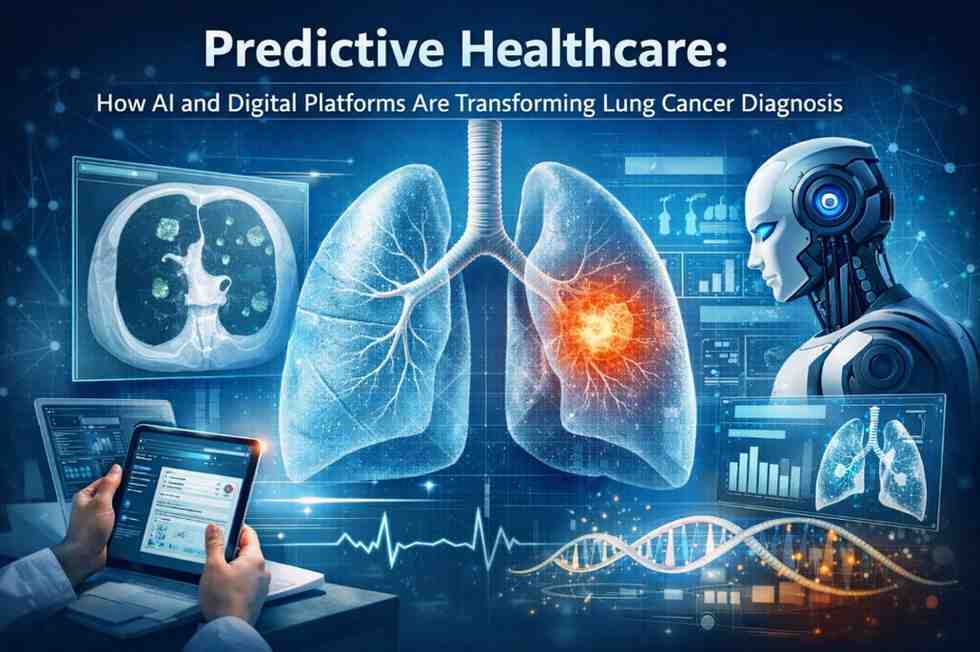
Advancements in digital health technologies are reshaping how clinicians detect and diagnose lung cancer. Lung cancer remains one of the most common and deadliest cancers worldwide, and new research shows that improvements in screening infrastructure, data analytics, and imaging technology now influence when and how healthcare providers identify the disease. Early detection via low-dose CT screening significantly reduces lung cancer mortality, reinforcing the importance of modern screening programs and accessible diagnostic systems.
These changes are not driven solely by awareness. Increasingly, technology-enabled diagnostic tools and data-driven monitoring systems are allowing healthcare providers to recognize potential risks earlier and respond with more targeted interventions. As predictive models and AI-supported imaging become more refined, the focus is shifting from reactive treatment to proactive detection.
Table of contents
AI and Imaging in Early Detection
Low-dose CT scans have already played a key role in improving early-stage detection among high-risk populations. According to a recent narrative review in Pharmaceutics, AI algorithms applied to low-dose CT imaging have been shown to significantly enhance pulmonary nodule characterization and diagnostic efficiency, helping clinicians identify abnormalities that might be missed on conventional review.
Now, artificial intelligence-assisted imaging tools are enhancing that process by analyzing scan data for patterns that may be difficult to detect manually. Machine learning models trained on large imaging datasets can flag irregularities in lung tissue with increasing accuracy, helping clinicians prioritize cases that require immediate follow-up. These digital tools are not replacing radiologists but are augmenting their ability to assess risk quickly and consistently. Earlier identification allows healthcare providers to tailor treatment strategies more effectively and intervene before symptoms become severe.
Digital Exposure Tracking and Risk Identification
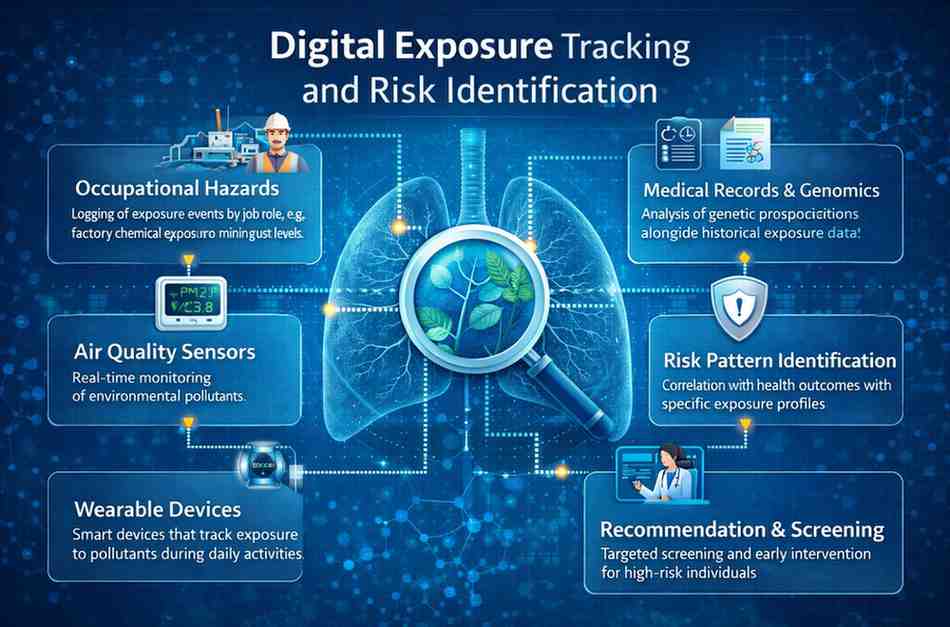
Digital health monitoring tools are also helping researchers better understand how environmental and occupational factors contribute to lung cancer risk. Improved documentation systems and long-term exposure records are making it easier to assess how workplace environments may influence respiratory health over time.
Organizations such as the Lung Cancer Group reflect how evolving medical research and improved documentation around occupational asbestos exposure are helping affected individuals better understand potential sources of illness. As access to structured health and workplace records expands, individuals can directly link past exposures to current diagnoses and pursue appropriate support when occupational risks are involved.
Gerrid Smith, Founder & CEO of Fortress Growth, explains, “Digital infrastructure allows organizations to connect data points that were previously isolated. This makes it easier to identify patterns that influence both diagnosis and long-term care decisions.”
Technology-Enabled Health Awareness
Digital communication platforms are also influencing how quickly individuals seek medical evaluation. Telehealth consultations, online symptom assessment tools, and patient health portals allow individuals to access screening resources without relying solely on traditional referral pathways.
From a broader health communication perspective, Timothy Allen, Director at Corporate Investigation Consulting, states: “When clear information about health risks and screening options reaches people, they engage with healthcare systems earlier.”
Awareness doesn’t just change behaviour, it can directly influence outcomes.”
Access to reliable information, supported by digital tools, may reduce diagnostic delays and improve long-term treatment outcomes.
Data Analytics and Public Health Strategy
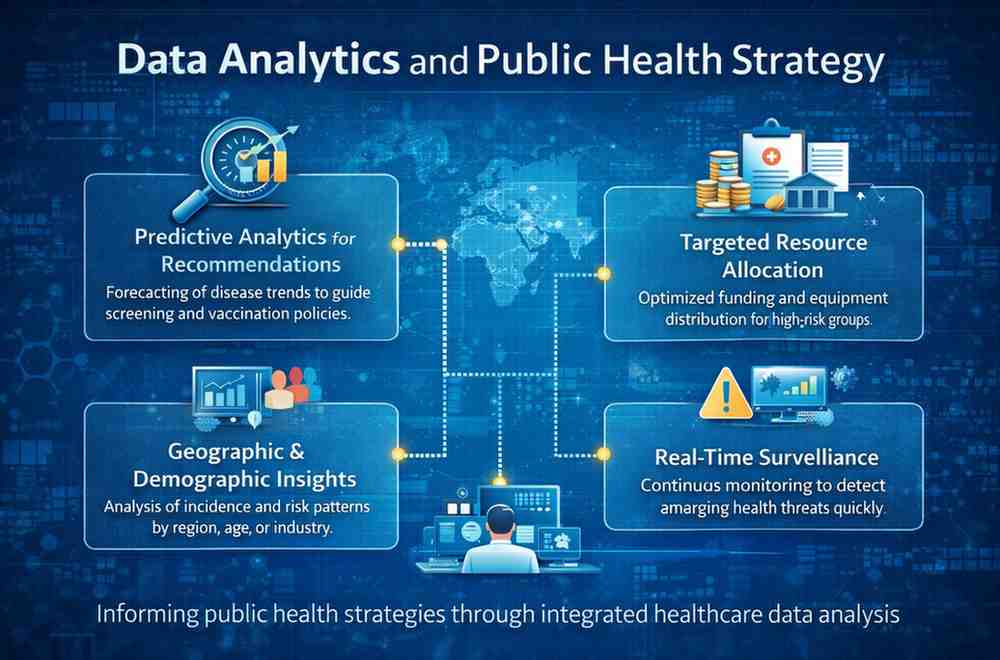
Healthcare policymakers are increasingly relying on predictive analytics to guide screening recommendations and funding priorities. By leveraging systems that streamline health data across hospitals, imaging centers, and national registries. Integrated health databases allow public health agencies to monitor diagnosis trends across populations and identify geographic or occupational risk patterns. This coordinated approach enhances resource allocation and supports more evidence-based screening strategies.
These insights help inform decisions related to:
- Screening programme expansion
- Environmental monitoring initiatives
- Workplace safety regulations
- Long-term patient support services
As digital surveillance tools improve, policymakers allocate resources more effectively and strengthen preventive frameworks.
Looking Ahead
While lung cancer remains a significant public health challenge, digital innovation is changing how the disease is identified and managed. AI-assisted imaging, data-driven exposure health tracking, and technology-enabled awareness platforms are beginning to influence diagnosis timelines and treatment pathways.
As research continues to evolve alongside technological capabilities, healthcare providers, legal professionals, and public health officials. Officials alike hope these developments will translate into improved outcomes, more effective prevention strategies, and clearer pathways to accountability for those affected by preventable exposure.