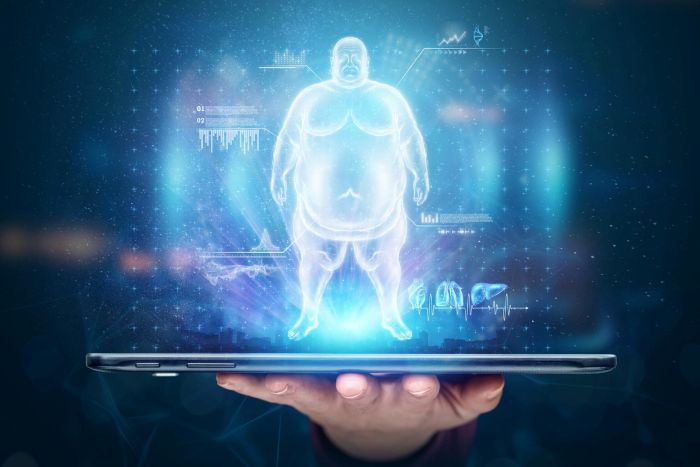
Obesity is not just about willpower; it’s a complex, chronic condition. For too long, weight-loss advice has been one-size-fits-all: general diets, basic exercise tips, or trial-and-error with medications. But what if we could do better? What if care could be tailored to each individual, guided by data, and supported by artificial intelligence (AI)? That’s where machine learning (ML) comes in, and it is already changing the way we approach obesity management and care.
Table of contents
- Why AI Matters in Obesity Management
- Predicting Obesity Risk More Accurately
- Going Beyond BMI: Smarter Obesity Profiling
- Monitoring Behavior in Real Time with Wearables
- Personalized Diet Plans with Explainable AI
- More Innovative Use of Weight-Loss Medication
- The Future of Personalized Obesity Management and Care
- What This Means for Someone Considering Medication or Therapy
Why AI Matters in Obesity Management
When people hear “AI in medicine,” they often imagine robots. In reality, AI is practical and human-centered. In obesity care, it helps doctors:
- Predict health risks more accurately
- Personalize treatments
- Monitor patients continuously
The Obesity Medicine Association states that AI can assist with interpreting body composition scans, training coaches, customizing nutrition and activity plans, and even the telehealth workflow.
Predicting Obesity Risk More Accurately
Machine learning can help identify people who are at risk of obesity before serious weight gain occurs. Analyzing demographics, medical history, and even lab data, AI can give physicians a head start, allowing earlier interventions and better outcomes.
Going Beyond BMI: Smarter Obesity Profiling
Most programs still rely on BMI, which doesn’t tell the full story. AI can integrate lab results, imaging, wearable data, and lifestyle habits to provide a more complete obesity profile. This helps clinicians understand risk more precisely and design better care plans.
Monitoring Behavior in Real Time with Wearables
Real-time, daily behavior monitoring with wearables + deep learning is one of the most thrilling directions to pursue.
This is not surveillance, but support: by monitoring behavior with greater objectivity than self-reported journals, clinicians and coaches can provide individualized feedback. If a person’s eating habits or activity levels change, their care team can act preemptively.
Personalized Diet Plans with Explainable AI
Diet is deeply personal; what works for someone with insulin resistance might not suit someone else with different metabolic issues. Machine‑learning systems like OBESEYE are stepping in to fill that gap. They use explainable AI (XAI) to recommend macronutrient targets (carbs, proteins, fats) tailored to a person’s health condition and goals.
Explainability matters: it’s not enough for an algorithm to say “eat more protein.” Both patients and clinicians need to understand why that recommendation was made.
More Innovative Use of Weight-Loss Medication
Medication is often part of obesity management and treatment, especially for people who struggle with lifestyle changes alone. But deciding who benefits most, at what dose, and how to adjust over time is tricky. This is where model-informed precision dosing (MIPD) comes into play.
MIPD uses pharmacokinetic and pharmacodynamic (PK/PD) models, along with patient-specific data, to simulate and personalize drug doses. In the context of obesity care, AI-powered precision dosing could help doctors optimize GLP-1 receptor agonists (or other medications), reducing side effects and maximizing benefit.
Someone is exploring a Wegovy online prescription; a data-driven model could help determine whether they’re likely to respond well, what dose to start with, and how to monitor progress.

The Future of Personalized Obesity Management and Care
So, what’s on the horizon? Here are a few directions I believe will shape the future:
1. Adaptive, Real-Time Interventions
We will likely see reinforcement learning approaches that adapt treatment plans in real time — not just based on baseline risk, but on how someone is actually responding (behaviorally, biologically) over weeks and months.
2. Fully Integrated Digital-Health Clinics
Virtual clinics will combine continuous monitoring (wearables), AI-powered risk tools, and medical therapies. This model could democratize access to cutting-edge obesity care for more people.
3. AI-Driven Drug Development
Pharma companies are already partnering with AI firms to develop obesity drugs more efficiently. In the future, AI won’t just guide how we use existing therapies; it may help discover new ones.
4. Robust Ethical Frameworks
To fully scale, the field must build strong policies around data ownership, algorithmic fairness, and patient consent, especially when AI is making decisions that affect health.
What This Means for Someone Considering Medication or Therapy
If you are exploring weight-loss medication or therapy, AI and machine learning can enhance your care. You’re not just following a prescription, you’re part of a data-informed, personalized plan.
AI won’t replace your obesity management care team, but it can amplify their ability to understand what works for you. And for many people, that could mean more confidence, fewer surprises, and, most importantly, better long-term results.