
Modern digital transformation is fundamentally reshaping the landscape of athletic apparel through the integration of advanced data analytics and precision engineering. While many leaders view team gear design as a simple branding exercise, sophisticated organizations now leverage emerging technologies to optimize physical performance and logistical efficiency.
This evolution moves beyond aesthetics to include high-level material science and automated supply chain synchronization that align with broader corporate innovation strategies. By adopting these digital tools, decision-makers can ensure their teams benefit from equipment that is technically superior and strategically designed for the modern competitive environment.
Explore the following analysis to discover how these technological shifts are redefining the standards of professional gear design.
Key Takeaways
- Digital design tools eliminate financial risk by allowing stakeholders to verify 360-degree prototypes before production.
- Real-time 3D mockups compress weeks of traditional revision cycles into single collaborative design sessions.
- Modern materials science provides all athletes access to professional-grade fabrics like four-way stretch poly-knit and breathable mesh.
- Sustainable textiles allow organizations to meet corporate responsibility goals without sacrificing garment durability or performance.
- AI-driven sizing engines utilize machine learning to reduce fit errors and minimize the need for costly manual remakes.
- Automated production workflows remove minimum order barriers and ensure complex configurations are executed with high precision.
Table of contents
1. Digital Tools Rewrite Uniform Playbooks
Historically, custom apparel procurement was defined by financial risk and visual uncertainty. Stakeholders committed significant capital to equipment that could not be verified until delivery. This lack of transparency frequently resulted in color discrepancies and placement errors that strained operational budgets and delayed team readiness.
Strategic Shift to Real-Time Visualization
Emerging 3D design platforms and real-time mockup engines have fundamentally dismantled this legacy system. These tools offer three primary advantages for the modern manager.
- 360-Degree Rendering: Users interact with fully digital prototypes to inspect every angle and seam.
- Dynamic Design Interface: Decision-makers can adjust color palettes and branding assets via intuitive drag-and-drop interfaces.
- Granular Verification: Every player-specific detail is previewed before the production file is finalized.
This digital transformation compresses weeks-long revision cycles into a single collaborative session. By digitizing sample preparation, organizations also reduce the environmental footprint associated with physical prototyping.
Integration with Production Infrastructure
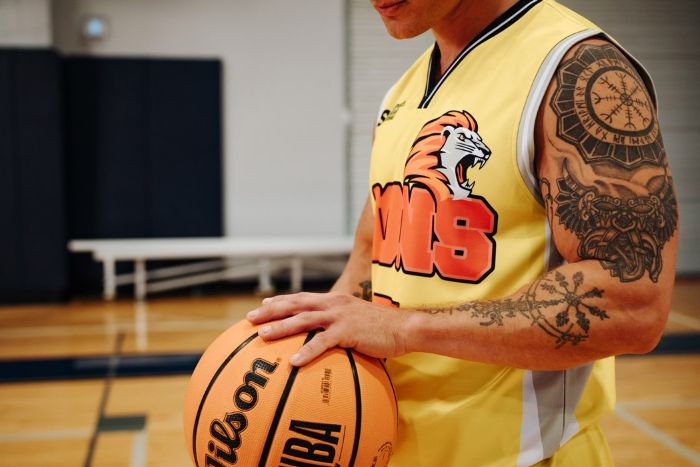
The practical implications of this workflow extend deep into the supply chain. Advanced design platforms, such as the interface used for Sports Gear Swag’s custom basketball jerseys, leverage this digital infrastructure to democratize professional-grade design. These systems translate digital CAD files directly into full-color graphics through dye-sublimation printing.
Because the data remains digital from the initial pixel to the final print, the final physical product precisely matches the on-screen approval. Modern uniform builders eliminate the need for analog setup processes that were only cost-efficient at high volumes.
This shift removes minimum order constraints, allowing a manager to configure a complete twelve-player roster in one evening and receive finished garments ahead of schedule.
2. Advanced Materials Change Team Gear
While digital interfaces have revolutionized the procurement experience, materials science has simultaneously transformed the physical product. The technical gap between professional-grade performance fabrics and community-level gear has effectively closed.
Modern athletes now demand apparel that facilitates high-intensity movement while maintaining structural integrity throughout a full season of competition.
Core Fabric Innovations
Several material breakthroughs now serve as the baseline for elite team gear. These innovations focus on physiological optimization rather than mere aesthetics.
- Four-Way Stretch Architecture: Poly-Knit construction accommodates explosive lateral movements by moving with the athlete. This reduces mechanical resistance and muscular fatigue compared to traditional rigid woven fabrics.
- Engineered Ventilation: Poly-Mesh textiles incorporate strategic zones that accelerate moisture evaporation and assist in core temperature regulation.
- Sustainable Durability: Recycled performance polyester sourced from post-consumer plastics now matches the durability benchmarks of virgin materials.
Strategic Procurement Implications
These advancements allow institutional buyers to align equipment choices with broader corporate social responsibility goals.
By integrating recycled performance textiles into their supply chain, organizations can meet sustainability criteria without compromising on the technical requirements of the sport. This evolution ensures that team gear functions as a high-performance tool rather than a simple uniform.
3. AI Makes Uniforms Feel Custom
The third wave of technology reshaping custom team gear is the least visible to the customer, yet arguably the most consequential for the experience they receive. Artificial intelligence in sports apparel is not a speculative concept waiting on the horizon. It is already operating behind the scenes inside sizing recommendation engines, production scheduling systems, and mass-customization workflows.
Predictive sizing is among AI’s most immediately practical contributions to this space. Machine learning models trained on large body measurement datasets surface highly accurate size recommendations for players across wide age and body-type ranges. This materially reduces the fit errors that once generated costly remakes and delayed season openers.
Studies demonstrate that AI-integrated systems provide substantial gains in both operational productivity and consumer interaction. Data shows that virtual fitting applications have driven online conversion growth by as much as 40%, and tailored product suggestions have enhanced revenue by 20% to 30%. These tools actively eliminate the manual transcription errors that once made large purchases logistically painful for program directors.
AI workflow tools allow outfitters to efficiently parse and execute complex multi-configuration orders. Technology manages back-end accuracy and production efficiency, while the customer retains full creative authority before any item goes into production.
The Road Forward
Digital design tools have successfully eliminated the uncertainty of ordering blind. Advanced performance materials have made professional-grade fabric accessible at every budget level. AI-driven personalization has made it entirely possible for a single coordinator to place a complex order and trust it will arrive accurately.
Taken together, these three technological waves have accomplished something highly significant for sports programs worldwide. Custom team gear design no longer feels like an exclusive privilege reserved strictly for well-funded collegiate or professional programs.
This unprecedented level of access is available to any team right now. If a roster is due for an apparel upgrade, the best first step is to open a browser window and explore an interactive uniform builder. The technology is completely ready, and every team deserves to experience exactly what it can accomplish on the field.
Author Profile:
Sports Gear Swag is the leading online retailer of custom sports apparel and gear for teams, schools, and organizations of all sizes. Specializing in team jerseys, uniforms, and athletic apparel with a wide range of customization options and team gear design.