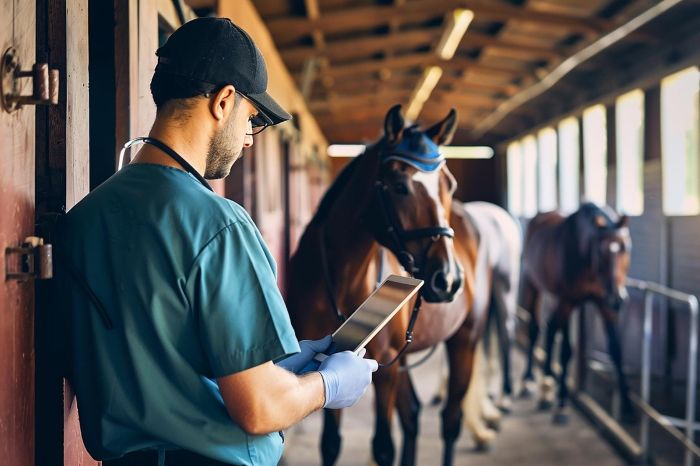
Managing an equestrian facility has never been simple. Between coordinating horse care schedules, tracking feed and veterinary visits, managing client billing, and keeping staff organized, stable owners wear dozens of hats every single day. But as 2026 brings new waves of purpose-built software into traditionally analog industries, horse facility management is finally catching up.
The push toward digital stable management is not just about convenience. According to the American Horse Council, the U.S. equine industry contributes over $122 billion annually to the economy, supporting nearly 1.7 million jobs. With that much money and responsibility at stake, the operational tools available to barn managers and stable owners matter more than ever.
This article explores how technology is transforming equestrian facility management, the specific challenges it addresses, and what stable owners should look for when choosing a digital platform in 2026.
Key Takeaways
- Stable management relies on outdated methods that create inefficiencies and bottlenecks.
- Modern equestrian facility management software addresses these issues by offering features like automated billing, digital health records, and lesson scheduling.
- Mobile access allows staff and owners to manage tasks and stay informed in real-time, enhancing communication and transparency.
- Data-driven insights help stable owners make informed business decisions, improving operations and profitability.
- Choosing the right platform involves evaluating equestrian-specific features, mobile functionality, and customer support tailored to horse care.
Table of contents
Why Traditional Methods Fall Short
For decades, stable management relied on whiteboards, paper calendars, and spreadsheets. Owners tracked feeding schedules by hand, invoiced clients through email chains, and managed horse records in filing cabinets. While these methods worked for smaller operations, they create serious bottlenecks as facilities grow beyond ten or fifteen horses.
Common pain points include:
- Double-booked lessons and arena time due to scheduling conflicts
- Late or missed invoices that hurt cash flow and create awkward conversations with boarders
- Incomplete veterinary and farrier records scattered across multiple systems
- Staff miscommunication about daily horse care routines, supplements, and turnout schedules
- No centralized place for horse owners to check updates on their animals
These inefficiencies cost time and money. A 2024 survey by Equine Business Solutions found that stable owners spend an average of 12 hours per week on administrative tasks that could be automated. That is time taken directly away from horse care, training, and the client relationships that keep a facility profitable.
The problem compounds during busy seasons. Spring and summer bring increased lesson demand, show preparation, and new boarder inquiries. Without systems in place to handle the volume, even well-run barns start dropping balls. Missed vet appointments, billing disputes, and scheduling errors become more frequent, and the owner is left putting out fires instead of growing the business.
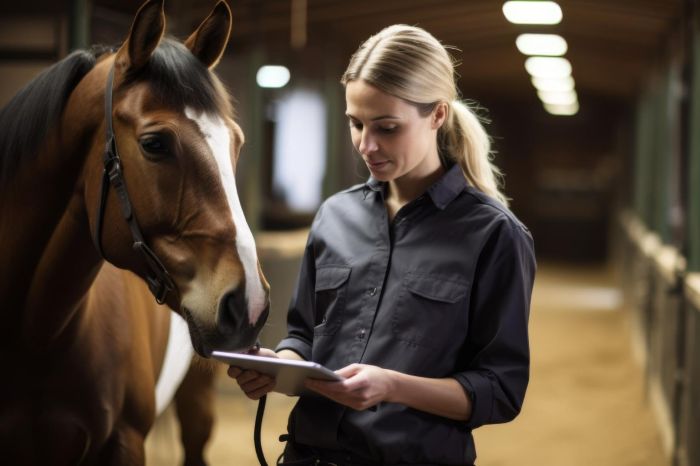
What Modern Stable Management Software Offers
The new generation of equestrian management platforms addresses these gaps with features designed specifically for the horse industry. Unlike generic project management tools or repurposed salon booking software, these platforms understand the unique workflows of a barn.
Key capabilities now standard in leading platforms include:
- Automated billing and payment processing for boarders with recurring invoices
- Digital health records linked to individual horses, including vaccination schedules and farrier visits
- Lesson scheduling with instructor availability, arena capacity, and skill level matching
- Real-time task management for barn staff with mobile check-off capability
- Owner portals where horse owners can view care logs, upcoming appointments, and account balances
Platforms like Stables.co let owners streamline their stable operations from a single dashboard, replacing the patchwork of tools that most facilities still rely on. The ability to manage everything from horse intake forms to daily care logs in one place is a significant step forward for an industry that has been slow to adopt technology.
What makes equestrian-specific software different from general business tools is the understanding of horse care workflows. A generic CRM does not know that a horse needs a farrier visit every six to eight weeks, or that certain horses require specific feeding sequences. Purpose-built platforms encode this knowledge into the system, reducing the learning curve for staff and the risk of missed care tasks.
The Role of Mobile Access
One of the biggest shifts in 2026 is the expectation of mobile-first design. Stable managers are not sitting at desks. They are in the barn, at the arena, or walking the property between paddocks. Software that requires a desktop computer simply does not fit the workflow.
Mobile access means staff can check off feeding tasks from their phone while standing at the feed room. Owners can approve veterinary procedures while traveling. Trainers can update lesson notes immediately after a session while the details are still fresh. This real-time functionality reduces errors and keeps everyone on the same page without requiring a trip back to the office.
For facilities with multiple staff members working different shifts, mobile task management is especially critical. The morning barn crew can see exactly what the evening team completed, and vice versa. No more sticky notes on stall doors or text message chains trying to figure out whether a horse got its supplements.
Client Communication and Transparency
Today’s horse owners expect more visibility into their animal’s daily care than previous generations. They want to know what their horse ate, when it was turned out, whether the farrier visit went well, and what the trainer observed during a session. Meeting these expectations through phone calls and text messages is unsustainable for a busy barn manager overseeing 30 or 40 horses.
Digital platforms solve this by providing owner-facing portals or apps where clients can log in and see real-time updates. Some platforms send automated notifications when care tasks are completed, giving owners peace of mind without requiring any extra work from staff.
This transparency also helps with client retention. When boarders feel informed and connected to their horse’s daily care, they are far less likely to move to a competing facility. In an industry where boarding relationships can last years, that retention has significant financial value.
Data-Driven Decision Making for Horse Facilities
Beyond daily operations, digital management tools generate data that helps stable owners make better business decisions. Tracking trends in boarding occupancy rates, lesson popularity by time slot, and seasonal revenue fluctuations gives managers a clear picture of where their business stands.
For example, knowing that arena bookings drop 30% in January allows a facility to plan off-season promotions or maintenance projects during that window. Understanding which services generate the highest margins helps owners decide where to invest next, whether that is adding a second arena, hiring another trainer, or expanding the turnout space.
Financial reporting also simplifies tax preparation and business planning. Instead of reconstructing a year’s worth of boarding income from paper invoices and Venmo transactions, stable owners can export clean reports that their accountant can use immediately. The time savings during tax season alone can justify the cost of the software.
What to Look for When Choosing a Platform
Not all stable management software is created equal. Barn owners evaluating options in 2026 should consider several factors:
- Equestrian-specific features versus generic business tools adapted for horse care
- Mobile functionality that works reliably with limited cell service in rural areas
- Integration with payment processors for seamless billing
- Scalability for facilities planning to add horses, staff, or services
- Customer support from a team that understands equestrian operations
The best platforms are built by people who understand the daily reality of running a barn. They account for the messiness of real stable life, from last-minute schedule changes to emergency vet visits, and design workflows that accommodate rather than fight against that reality.
Looking Ahead
The equestrian industry is at an inflection point. Facilities that adopt modern management tools will operate more efficiently, deliver better client experiences, and position themselves for sustainable growth. Those that cling to paper-based systems risk falling behind as horse owners increasingly expect digital communication and transparency about their animal’s care.
The technology exists today to run a cleaner, more profitable equestrian business. The question is no longer whether to modernize. It is how quickly you can start.