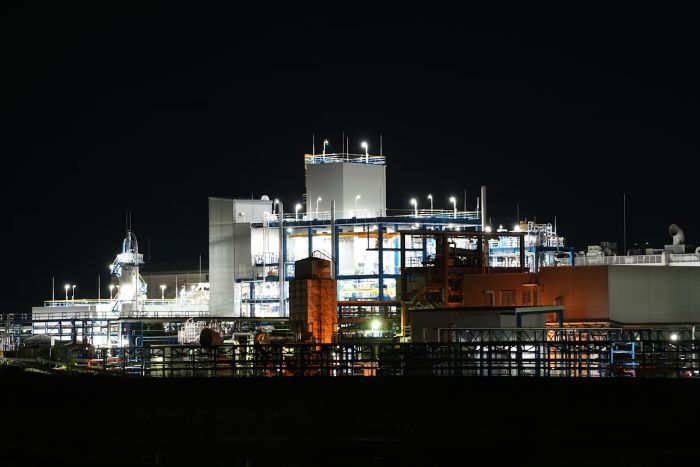
Modern plants look different from those of a decade ago. In today’s industrial tech, lines are faster, changeovers are tighter, and coordination between machines and people happens in seconds instead of hours.
What makes this possible is a stack of practical technologies that solve everyday bottlenecks. From vision systems to adaptive robots, each tool removes a little friction, and the gains compound across the shift.
Table of contents
From Manual Industrial Tech to Orchestrated Workflows
Production used to rely on paper travelers and tribal knowledge. Today, standardized data and connected stations help teams spot issues early and keep the line moving.
In fast-moving factories, even small handoffs and micro-delays add up quickly. The goal is flow, not just speed, and solutions from niagaramachine.com help by pairing durable equipment with predictable process results. When steps are sequenced and measured, upstream tweaks ripple cleanly downstream instead of creating rework.
Operators still make the key calls, but they now have live context. Workcells share status, inventories update automatically, and downtime events are logged and learned from.
Machine Vision As The New Eyes
Human inspectors are great at judging context, but they fatigue over long shifts. Machine vision gives the line tireless eyes that notice tiny shifts in color, texture, or shape.
A recent review noted that vision now supports inspection, robotic guidance, predictive diagnostics, and safety compliance in one toolkit, making it a cornerstone of modern manufacturing. That means fewer blind spots between stations and more consistent outcomes.
Vision unlocks traceability. Images tied to each unit build a history that teams can search when a defect appears later.
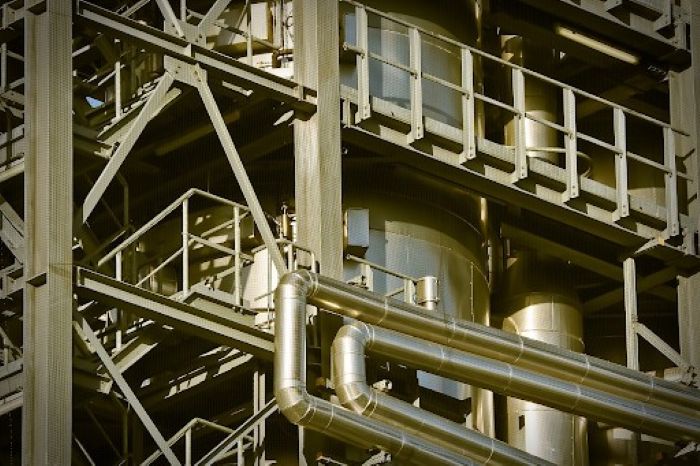
Real-Time Quality Control On The Line
Catching defects after packaging is expensive. Inline checks turn quality into a continuous process, not a single gate.
One peer-reviewed study described a YOLOv8-based vision model integrated with robotic process control to inspect parts in real time, showing how AI can act and verify within the same cycle. Instead of waiting for lab results, the cell corrects its own drift.
This shift changes culture. Quality moves from policing to partnering, and teams focus on prevention over sorting.
Robotics That Adapt To Variation
Old robots were strong but rigid. New systems handle short runs, seasonal mixes, and custom options without weeks of reprogramming.
Adaptive gripping, force control, and quick-change tooling let one cell complete several tasks per shift. That improves asset use and reduces floor space pressure.
Collaborative robotics designs also fit into existing lines. Robots work near people with clear zones and smart stops, so you can upgrade the process without rebuilding the plant.
Data Orchestration On The Shop Floor
Machines create a lot of data, but value comes from orchestration. The right data at the right time turns alarms into actions.
- Line dashboards surface cycle time, yield, and scrap trends
- Alerts route to the owner with plain-language context
- Recipes and parameters are versioned automatically, so changes are auditable
With these basics, teams can try small experiments safely. If a tweak helps, it becomes the new standard; if not, you roll back in seconds.
Safer, Cleaner, And More Consistent
Advanced tech can improve safety. Vision zones, interlocks, and standardized routines reduce surprises near moving gear.
Process controls tighten housekeeping and dust control, which boosts both safety and finish quality. Consistency is not just about aesthetics – it protects downstream equipment and keeps maintenance predictable.
When you combine safety and consistency, morale improves. Crews spend less time firefighting and more time refining.
Skills, Teams, And Change Management
Tools only work when people use them. Training should be hands-on, short, and tied to real tasks on the line.
Cross-functional huddles keep engineering, maintenance, and operators aligned. Short feedback loops turn a morning issue into an afternoon fix.
Leaders can amplify wins by sharing simple metrics. Show how a vision tweak raised first-pass yield, or how a robot changes cut changeover by 3 minutes, and adoption follows.
What Good Looks Like
Start with a pilot cell and a clear success metric like scrap rate or takt adherence. Prove the gain, then scale the production workflows to the next station.
Keep documentation lightweight. A one-page runbook per cell beats a binder no one reads.
Plan for handoffs. Maintenance needs spare parts lists, operators need quick checks, and engineering needs a change log that anyone can follow.
Advanced industrial tech pays off when it makes work simpler and more reliable. Vision, robotics, and data orchestration remove uncertainty at each step, so teams can focus on doing the job right the first time. The result is steadier flow, fewer surprises, and less waste.
You do not need a moonshot to see benefits – you need a steady cadence of small, proven changes. Start where the line slows, measure the impact, and build on what works. Over time, those everyday wins add up to a workflow that is faster, safer, and easier to run.