
Modern field operations rely on a sophisticated array of sensitive hardware that must remain functional under the most demanding environmental conditions. As digital transformation pushes critical infrastructure to the edge, the logistical challenge of transporting specialized field tech equipment without compromising its integrity becomes a primary concern for technical leadership.
Protecting these assets requires a blend of advanced materials science and rigorous operational protocols to mitigate the risks of physical shock and environmental exposure. Executive teams are increasingly prioritizing these protective strategies to ensure that mobile workforces maintain high levels of reliability and service continuity during remote deployments.
Read on to discover the specific methods these expert teams use to safeguard their most valuable technological investments while in transit.
Key Takeaways
- Prioritize engineered impact protection to mitigate micro-stress events and maintain the structural integrity of sensitive components during transit.
- Implement custom interior configurations to enforce workflow discipline and eliminate productivity leaks caused by disorganized equipment.
- Utilize industrial-grade sealing and IP-rated enclosures to prevent premature electronics failure from dust ingress and moisture exposure.
- Balance high-level environmental protection with ergonomic access to speed to ensure field technicians can operate efficiently under pressure.
- Adopt a holistic protection strategy that treats impact mitigation, organization, and accessibility as an interconnected operational system.
Table of contents
- Start with Engineered Impact Protection Systems
- Eliminate Field Delays with Smarter Organization
- Seal Out Environment Before Equipment Damage
- Design for Access Speed Without Sacrificing Protection
- The Bottom Line
1. Start with Engineered Impact Protection Systems
Field tech gear fails incrementally over time rather than all at once. Every loading cycle, vehicle transport leg, and handoff between technicians introduces micro-stress events that degrade sensitive components.
Generic cases and padded sleeves absorb the first impact reasonably well. By the twentieth use, the internal geometry has shifted, leaving equipment exposed to collision force.
Rigid outer shells combined with precision-fitted interior configurations distribute shock across the case structure. This prevents the concentration of kinetic force on the device surface itself. The importance of preventing these damages is substantial across technical industries.
Out of 773 accidents evaluated in an industrial safety study, 272 were caused by equipment failure, confirming that protective integrity is essential.
When sourcing protective storage at scale, technical teams often specify tailored solutions. High-quality custom EVA cases from Royal Case Company offer thermoformed precision fit and durable exterior construction. For high-demand environments, specifying compliant designs ensures structural integrity across rigorous transit cycles.
Key considerations when evaluating impact-resistant equipment cases for fleet deployment include specific structural features.
- Latch and hinge integrity represent the first failure points under repeated stress.
- Custom interior configurations that mirror exact equipment geometry prevent minor movement during transport.
- Injection-molded and thermoformed exteriors offer different trade-offs regarding weight and rigidity.
2. Eliminate Delays with Smarter Organization of Field Tech
Disorganized kits represent a slow operational leak during critical repair windows. In time-sensitive deployments, technicians cannot afford to search for cable adapters or untangle sensor leads. Every second spent locating a tool is a measurable productivity loss. This compounding inefficiency affects the entire technical team during complex assignments.
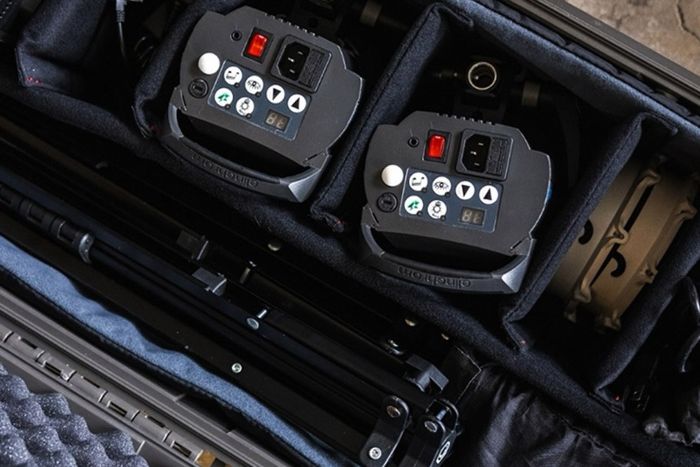
Purpose-designed interior configurations give every tool a designated, secure position. Custom-molded panels and compartmentalized layouts enforce workflow discipline efficiently.
When technicians open a case, and every component sits exactly where it should, tool retrieval becomes automatic. This significantly enhances portable equipment safety and overall operational efficiency.
Fumbling for tools at elevated or awkward work sites is also a severe hazard. Fatalities resulting from individuals being struck by falling objects increased by 75% compared to the previous year, reaching a total of seven deaths. Proper tool organization ensures items are securely docked and immediately reachable, drastically reducing drop risks.
Considerations for improving workflow through interior case design involve several fundamental principles.
- The most frequently accessed tools should sit closest to the primary opening.
- Compartmentalized layouts prevent cross-component contact and eliminate cord tangling for multi-device kits.
- Off-the-shelf dividers shift under load, whereas custom-molded panels maintain rigid geometry over time.
3. Seal Out Environment Before Field Tech Equipment Damage
Dust ingress and moisture exposure rank among the leading causes of premature electronics failure. Industrial robotics floors, outdoor infrastructure sites, and utility corridors present persistent exposure risks. Standard consumer-grade cases simply cannot withstand these daily environmental assaults over long durations.
When equipment fails, technicians are often forced to troubleshoot in hazardous active machinery zones. To provide context regarding these hazards, IPAF documented 16 entrapment cases, which frequently resulted in fatalities. Ensuring field technology protection with proper environmental sealing minimizes the time technicians spend exposed to such dangerous locations.
Engineered sealing systems and compliance-grade construction create an impermeable barrier between volatile environments and sensitive equipment. Understanding the distinction between basic splash resistance and true ingress protection is vital. This knowledge helps when specifying protective storage for challenging operational theaters.
Key factors in evaluating environmental sealing capabilities involve specific manufacturing details.
- High-dust or high-moisture environments require cases meeting IP54 or higher ratings.
- Industrial-grade cases utilize compression gaskets specifically engineered for long service life.
- Thermoformed exteriors provide excellent resistance to contaminants alongside a lightweight profile.
4. Design for Access Speed Without Sacrificing Protection
A protective case requiring two hands and a clear flat surface to open becomes an operational liability. Case designs that over-prioritize environmental sealing at the expense of field ergonomics create unnecessary friction. Technicians feel this delay most acutely when under intense pressure to perform repairs. Quick-release mechanisms prevent these frustrating field bottlenecks entirely.
Optimal case design integrates logical tool positioning and ergonomic access points intuitively. This allows teams to operate efficiently without compromising structural integrity or dropping parts. Protecting electronics in the field effectively requires a flexible dual-state solution. Gear must remain hermetically sealed during transit but instantly accessible during active operations.
Design principles for field tech supporting operational speed require careful evaluation of basic hardware components.
- Single-handed operation and clear tactile feedback significantly reduce access time.
- Balanced handle placement minimizes technician fatigue during extended site walks.
- Lid clearance engineered to remain open and stable prevents operational interruptions.
The Bottom Line
Impact mitigation, organized access, environmental sealing, and operational speed function as an interconnected system. A storage solution engineered for maximum environmental sealing but lacking rapid access creates heavy field liabilities.
Similarly, a rapid-access case lacking precise interior molding virtually guarantees internal transit damage. The most effective strategy is reverse-engineered directly from specific equipment parameters and daily workflow realities.
For IT leaders and deployment engineers evaluating current fleets, standard durability is no longer enough. The standard metric is whether the protective ecosystem is actively tailored to unique operational realities.
Upgrading to purpose-engineered protective solutions ensures that both expensive equipment and operational timelines remain safeguarded. Evaluate your equipment protection strategy today to firmly secure future field tech deployments.
Author Profile: Royal Case is the leading manufacturer of custom wholesale cases for businesses across every industry.