Did you know that commercial buildings in the United States waste an astonishing 30 percent of their energy on average, according to data from the Department of Energy? That’s not just a statistic. It’s a massive opportunity for cost savings and environmental impact through energy monitoring that many property managers overlook every day. With rising utility bills and increasing pressure to go green, optimizing how energy flows through offices, retail spaces, and warehouses has never been more urgent.
In this article, you’ll learn straightforward, actionable methods to boost energy monitoring, turning vague guesses into precise, data-backed decisions. We’ll discuss everything from initial assessments to cutting-edge tools, ensuring your building operates smarter and more sustainably.
Key Takeaways
- Commercial buildings waste 30% of energy, creating opportunities for cost savings and environmental benefits.
- Effective energy monitoring can reduce waste, extend equipment life, and improve compliance with regulations.
- Conducting thorough energy audits serves as the foundation for better monitoring and identifying inefficiencies.
- Smart technologies and data analytics enhance real-time tracking and predictive capabilities for energy usage.
- Integrating renewables with monitoring tools simplifies achieving energy efficiency and sustainability goals.
Table of contents
- Why Energy Monitoring Matters in Today’s Commercial Landscape
- Starting Strong: Conduct an Energy Audit
- Embracing Smart Technologies for Real-Time Tracking
- Optimizing Key Systems: HVAC and Lighting
- Harnessing Data Analytics for Deeper Insights
- The Role of Regular Maintenance and Reviews
- Integrating Renewables with Monitoring Tools
- Reaping the Rewards: Benefits Beyond Savings
- Wrapping It Up
Why Energy Monitoring Matters in Today’s Commercial Landscape
Energy monitoring isn’t just about tracking kilowatt-hours. It’s the foundation for slashing waste, extending equipment life, and meeting regulatory demands. Without it, buildings often run inefficiently. Think lights blazing in empty rooms or HVAC systems churning away during off-hours. This oversight can inflate operational costs by thousands annually while also contributing to unnecessary carbon emissions.
Effective monitoring empowers facility teams to spot patterns, predict issues, and respond swiftly. For instance, real-time data reveals when a chiller is overworking due to a minor fault, preventing breakdowns and conserving resources. As regulations tighten around energy use, such as those from ENERGY STAR programs, buildings with robust monitoring stand out as leaders in efficiency. Ultimately, it’s about transforming raw consumption figures into insights that drive long-term savings and occupant comfort.
Starting Strong: Conduct an Energy Audit
Every journey toward better energy monitoring begins with a thorough energy audit, a systematic review that uncovers hidden inefficiencies. This process involves examining utility bills, inspecting equipment, and using tools like infrared cameras to detect heat leaks in walls or ducts. Auditors might walk through the building during peak and off-peak times, noting how energy is distributed across floors or zones.
Once completed, the audit provides a baseline, a snapshot of current usage against industry benchmarks. Property owners can then prioritize fixes, such as sealing air gaps that account for up to 30 percent of heating and cooling losses. Regular audits, ideally every two to three years, keep monitoring efforts dynamic, adapting to changes like new tenants or seasonal shifts. By addressing these findings early, buildings avoid the snowball effect of minor issues turning into major expenses.

Embracing Smart Technologies for Real-Time Tracking
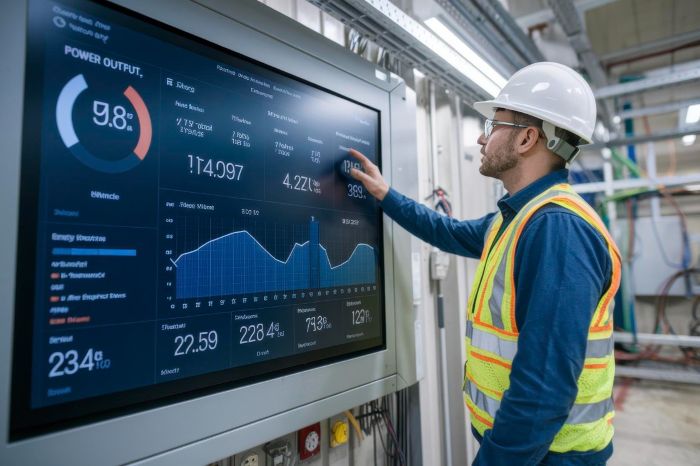
In the era of connected devices, smart technologies revolutionize energy monitoring by delivering instant visibility into consumption. Building Management Systems (BMS) serve as the central nervous system, integrating controls for heating, ventilation, air conditioning (HVAC), lighting, and even security. These systems use Internet of Things (IoT) sensors to collect data continuously, allowing managers to adjust settings remotely via user-friendly dashboards.
Consider installing submeters on key circuits. They break down usage by department or floor, highlighting outliers like a server room guzzling power overnight. For electrical monitoring, devices such as split core current transformers offer a non-invasive way to measure currents without shutting down operations, ideal for retrofitting older structures. When implementing these devices, it’s important to work with a reliable split core current transformer manufacturer to ensure accuracy and long-term performance. Paired with energy management software, these tools generate alerts for anomalies, ensuring proactive interventions. The result? Reductions in energy use by 10 to 20 percent, often with a payback period of under two years.
To get started, here’s a quick list of essential smart tech upgrades:
- IoT sensors for occupancy and environmental monitoring.
- Smart meters that provide granular data on electricity, water, and gas.
- Automated controls that sync with weather forecasts to preemptively tweak HVAC output.
- Cloud-based platforms for storing and analyzing historical data trends.
Optimizing Key Systems: HVAC and Lighting
HVAC systems alone can devour up to 40 percent of a building’s energy, making them prime targets for monitoring enhancements. Optimization starts with commissioning, essentially a tune-up where technicians calibrate components like dampers and valves to ensure they operate at peak efficiency. Adding variable speed drives lets fans and pumps adjust output based on demand, rather than running full throttle constantly.
Lighting, another major consumer, benefits from similar scrutiny. Swap outdated bulbs for LEDs, which sip energy while lasting far longer, and layer in occupancy sensors that dim or extinguish lights in vacant areas. Daylight harvesting systems automatically dial back artificial illumination when natural light floods in, further trimming usage. Monitoring these systems through integrated software tracks performance over time, flagging when a sensor fails or a fixture needs replacement. Such tweaks not only curb waste but also enhance indoor environments, boosting productivity among occupants.
Harnessing Data Analytics for Deeper Insights
Data analytics takes energy monitoring from reactive to predictive, sifting through vast datasets to unearth opportunities. Advanced software employs algorithms to identify trends, such as spikes in consumption during lunch hours from overworked kitchen appliances. Machine learning models can even forecast future usage, helping budget for peak seasons or negotiate better utility rates.
Facility managers might use dashboards to visualize metrics, charts showing daily energy profiles or heat maps of high-waste zones. This level of detail supports informed choices, like rescheduling maintenance to avoid disruptions. By correlating data from multiple sources, including weather patterns and occupancy logs, analytics reveal synergies. For example, linking HVAC runtime to foot traffic data optimizes ventilation without excess energy draw. Over time, this approach fosters a culture of continuous improvement, where small adjustments compound into substantial gains.
The Role of Regular Maintenance and Reviews
No monitoring strategy succeeds without ongoing vigilance, which means embedding regular checks into operations. Preventive maintenance, tasks like cleaning coils, replacing filters, and testing controls, prevents efficiency drops that creep in unnoticed. Schedule after-hours walkthroughs quarterly to catch stray lights or humming equipment that shouldn’t be active.
Periodic reviews of set points and schedules ensure alignment with actual needs. For instance, night setbacks lower temperatures in unoccupied spaces, saving on heating without compromising morning warm-ups. Document everything meticulously. Updated logs help troubleshoot issues swiftly and train new staff. When maintenance uncovers persistent problems, it signals the need for upgrades, closing the loop on monitoring’s feedback cycle. This disciplined routine extends equipment longevity, averting costly emergencies while sustaining energy savings.
Integrating Renewables with Monitoring Tools
Blending renewable energy sources with robust monitoring amplifies efficiency, creating self-sustaining ecosystems. Solar panels on rooftops generate clean power, but without monitoring, their output might go underutilized. Inverters equipped with tracking software monitor production in real time, balancing it against grid draws to minimize imports.
Geothermal or heat pump systems offer another avenue, capturing ambient energy for heating and cooling. Monitoring integrations track efficiency ratios, alerting when performance dips due to soil temperature changes. Even small-scale wind setups in suitable locations benefit from data logs that optimize turbine angles. By weaving these into a BMS, buildings achieve net-zero aspirations more feasibly, with monitoring ensuring renewables contribute maximally to overall energy profiles.
Here are some key benefits of this integration:
- Reduced reliance on fossil fuels, lowering emissions by up to 50 percent in optimized setups.
- Financial incentives through rebates and credits that offset initial costs.
- Enhanced resilience against power outages, with batteries storing excess renewable energy.
- Comprehensive reporting for sustainability certifications like LEED.
Reaping the Rewards: Benefits Beyond Savings
Improved energy monitoring delivers multifaceted advantages that ripple through operations. Financially, it trims utility bills, often by 15 to 30 percent, freeing capital for reinvestment. Environmentally, it curtails greenhouse gases, aligning with corporate social responsibility goals and appealing to eco-conscious tenants.
Occupant well-being improves too. Stable temperatures and better air quality reduce complaints and enhance focus. From a compliance standpoint, detailed monitoring data simplifies reporting for mandates like building performance standards. Property values climb as efficient buildings attract premium leases. In essence, these enhancements position commercial spaces as forward-thinking assets in a competitive market.
Wrapping It Up
Enhancing energy monitoring in commercial buildings doesn’t require a complete overhaul. It thrives on incremental, smart steps that build momentum. From audits that lay the groundwork to analytics that refine strategies, each method contributes to a leaner, greener operation. Start small, perhaps with a quick audit or sensor installation, and scale as results pour in. The payoff? A building that’s not only cost-effective but also resilient and responsible. By prioritizing these approaches, property managers can lead the charge toward a more efficient future, one kilowatt at a time.