Electric sliding glass doors have long been favored in both commercial and residential applications, known for their convenience, space-saving design, and modern aesthetics. However, the integration of technology into smart electric sliding doors has revolutionized their functionality, offering enhanced user experience, energy efficiency, and security.
In this article, we’ll explore how smart technology is transforming electric sliding doors, key features it brings, and the benefits it offers for homes and businesses.
Key Takeaways
- Smart electric sliding doors combine automation and IoT technology, enhancing convenience, energy efficiency, and security.
- They feature intelligent sensors, IoT connectivity, energy efficiency measures, enhanced security, and AI-powered predictive maintenance.
- Smart doors cater to residential, commercial, and healthcare applications, improving accessibility and user experience.
- Businesses benefit from touchless entry and energy savings, while homes enjoy customization and seamless integration into smart ecosystems.
- The future of smart electric sliding doors promises greater adaptability and innovation in design and functionality.
Table of contents
What are Smart Electric Sliding Doors?
Smart electric sliding doors combine automated sliding mechanisms with the latest Internet of Things (IoT) and AI-driven technologies. Unlike traditional electric sliding doors, these smart systems are connected to devices, sensors, and control systems that allow for customization, remote control, and advanced automation.
Gone are the days of simple motion-sensor doors; modern smart sliding doors cater to the needs of both convenience and security-focused users while adapting to dynamic environments like homes, offices, hospitals, and retail spaces.
Features of Smart Electric Sliding Doors
1. Intelligent Sensors
Smart sliding doors come equipped with advanced motion, thermal, and proximity sensors:
- Adaptive Sensitivity: Sensors can adjust to detect humans, objects, or even pets, minimizing false activation.
- Safety Enhancements: Obstacle detection and anti-pinch functions ensure that the doors stop or reverse movement when obstacles are detected, preventing injuries.
- Custom Triggers: Doors can open and close based on environmental factors like temperature, traffic flow, or time of day.
2. IoT Connectivity
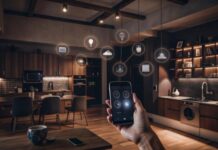
Modern electric sliding doors leverage IoT technology to integrate with smart home ecosystems (like Amazon Alexa, Google Home, or Apple HomeKit) or building automation systems. Key features include:
- Remote Control: Control doors via smartphones, tablets, or voice assistants from anywhere, enabling maximum convenience.
- Status Monitoring: Real-time notifications and door status (open/closed) monitoring through connected apps.
- Automation Routines: You can connect the door with other smart devices (e.g., lights, air conditioning) to perform preset routines, such as automatically opening the door when the lights are turned on.
3. Energy Efficiency and Environmental Adaptability
Smart technology in electric sliding doors allows precise control over energy consumption:
- Thermal Insulation: Smart sliding doors are integrated with climate sensors to minimize heat loss or cold air intrusion, keeping indoor spaces energy-efficient.
- Selective Access Design: Doors can adjust their opening width based on traffic—for example, smaller openings for individuals versus larger openings for carts or equipment.
- Energy Management Integration: Connected doors can sync with HVAC systems to maintain optimal energy efficiency depending on room temperature.

4. Enhanced Security Features
Smart electric sliding doors redefine security in entrances:
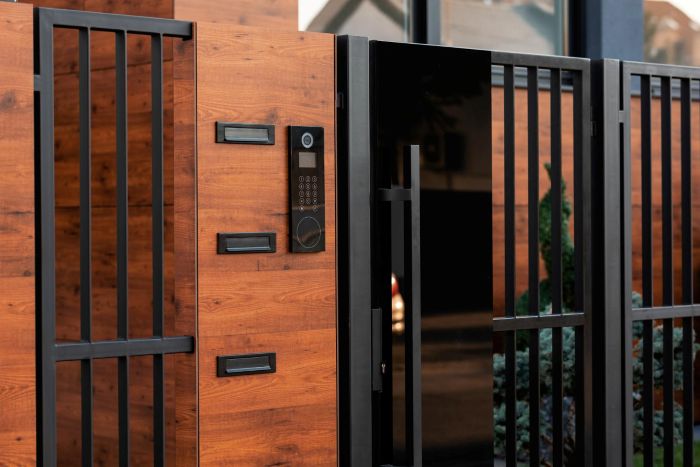
- Biometric and Access Control Technology: Modern smart doors integrate with fingerprint scanners, retina recognition systems, or keyless entry codes for authorized personnel or residents only.
- Real-Time Monitoring: Security cameras and motion sensors on the door provide remote surveillance, with alerts sent directly to your smartphone or monitoring system.
- Automatic Locking Systems: Doors instantly lock after closing and can be programmed for timed locking, offering higher levels of security in sensitive areas.
5. AI-Powered Predictive Maintenance
Traditional electric doors are prone to wear and tear over time. Smart doors employ AI-driven systems to diagnose potential mechanical issues before they become critical:
- Performance Alerts: Receive notifications about possible malfunctions or routine maintenance requirements.
- Self-Diagnostics: Predictive algorithms monitor the sliding mechanism, motor efficiency, and sensors to optimize performance.
6. Accessibility Features
Smart sliding doors significantly improve accessibility for various users:
- Hands-Free Operation: Doors can be activated via voice commands or touchless gestures, reducing physical effort and improving hygiene in places like hospitals or public restrooms.
- Elderly and Disability Accessibility: Features like slow-motion settings or pre-programmed wide openings ensure that elderly people or wheelchair users can access the doors safely and conveniently.
Benefits of Smart Technology in Electric Sliding Doors
1. Enhanced Convenience and Customization
Smart sliding doors provide a seamless user experience with customizable settings tailored to individual needs or environmental conditions. For businesses, they improve customer satisfaction by offering smooth, touchless entry points.
2. Improved Safety and Security
With obstacle detection, automatic locking, and integration with surveillance systems, smart electric sliding doors provide unparalleled safety and peace of mind for both homes and businesses.
3. Increased Energy Efficiency
Smart sliding doors are ideal for reducing energy costs, particularly in eco-conscious buildings. They minimize unnecessary airflow, synchronize with building systems, and adapt their operations according to weather or usage.
4. Smart Home Integration
Smart doors act as a core part of the larger connected home or workplace. Integration with other IoT systems provides advanced automation and higher levels of control.
5. Scalability and Versatility
From compact entry points in residential homes to high-traffic commercial spaces like office towers, malls, and hospitals, these doors can scale and adapt to varying demands and technical requirements.
Applications of Smart Electric Sliding Doors
1. Residential Homes
Smart sliding doors are ideal for patio doors, front entrances, and living spaces. Their touchless operation, customization, and security features make them perfect for smart homes.
2. Commercial Spaces
Retail stores, offices, and malls benefit from energy-efficient, touchless, and secure entry points that enhance customer flow and reduce energy consumption.
3. Hospitals and Healthcare
Sterile areas or high-traffic healthcare environments require the hygiene and accessibility features offered by smart electric sliding doors.
4. Luxury Hotels and Restaurants
Smart doors elevate the experience of high-end establishments by offering automation, stylish design, and personalized entry options for guests.
Why Choose Smart Electric Sliding Doors?
The integration of smart technology into electric sliding doors has redefined the standards for convenience, energy efficiency, and security. Whether for residential, commercial, or industrial applications, smart electric sliding doors provide a futuristic solution, fitting seamlessly into modern lifestyles and sustainable living efforts.
- Automation and Control: Program and monitor your doors with IoT and AI capabilities.
- Safety First: Enjoy enhanced obstacle detection, robust access control, and real-time monitoring.
- Energy Savings: Improve thermal efficiency and reduce unnecessary energy usage.
- Future-Ready Design: These doors are designed to evolve with your needs, offering superior scalability and adaptability.
As smart technology continues to evolve, electric sliding doors will remain at the forefront of innovation, representing the perfect fusion between form and function.