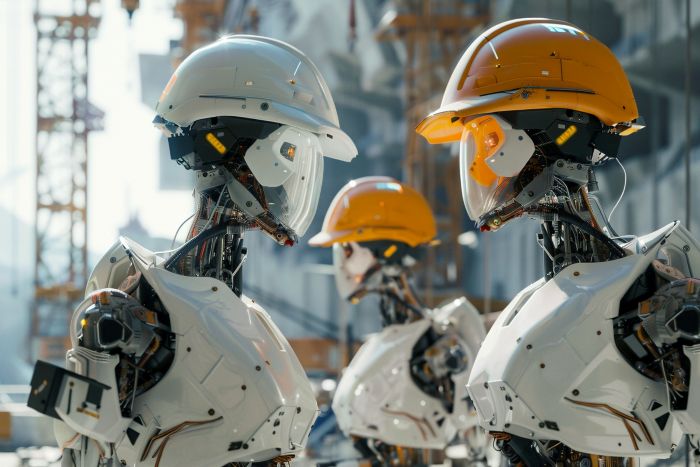
Construction sites have many risks due to heavy equipment, elevated work, power tools, and uneven surfaces. Even with safety rules, workers can suffer construction injuries such as falls, being struck by objects, and equipment failures. To improve safety, the industry is adopting robotics, including automated machines and wearable devices that reduce strain.
While robotics won’t eliminate all hazards, it can keep workers out of dangerous situations and lower human error. These technologies also change how companies approach safety planning and training. If injuries occur from rushed schedules or unsafe conditions, workers may need legal help. Grey Law can assist in determining what went wrong, identifying responsible parties, and seeking compensation for preventable injuries.
Key Takeaways
- Robotics in construction enhances safety by reducing risks from falls, struck-by incidents, and overuse injuries.
- Automated equipment, drones, and wearable robotics help workers avoid hazardous situations and improve task efficiency.
- Robotics can provide real-time monitoring and data collection, improving safety planning and risk assessment.
- However, new risks can arise from robotics if not managed properly, necessitating proper training and maintenance.
- Ultimately, while robotics can reduce construction injuries, it cannot replace the need for ongoing responsibility and safety culture.
Table of contents
- What “Robotics” Means On A Modern Jobsite
- Robots That Reduce Fall Risks At Heights
- Automated Equipment That Prevents Struck-By Construction Injuries
- Wearable Robotics And Exoskeletons That Reduce Overuse Injuries
- Robotic Demolition And Hazardous Task Removal
- How Robotics Improves Safety Planning With Better Data
- New Risks Robotics Can Introduce If Not Managed Properly
- When Robotics Fails: Accountability Still Matters After Construction Injuries
- Robotics Can Reduce Risk, But It Can’t Replace Responsibility
What “Robotics” Means On A Modern Jobsite
Robotics in construction isn’t only about humanoid machines. It includes automated equipment, remote-controlled machinery, robotic arms, autonomous vehicles, and intelligent systems designed to perform tasks that are dangerous, repetitive, or physically punishing. Some robotics operate independently, while others are controlled by a worker from a safer location.
These systems often work alongside workers rather than replacing them. The goal is safety and efficiency—reducing exposure to fall risks, heavy lifting, hazardous materials, and unpredictable equipment movement. Robotics can also improve precision, which helps reduce accidents caused by misalignment, unstable loads, or rushed manual work.
Robots That Reduce Fall Risks At Heights
Falls remain one of the most dangerous construction hazards, especially on scaffolding, roofs, ladders, and elevated platforms. Robotics can help by completing tasks that otherwise require workers to be at height for long periods. Drones can inspect roofs, towers, and structural connections without sending someone onto unstable surfaces.
Robotic systems can also assist with high-elevation tasks like painting, window installation support, or facade inspection. By reducing time spent at height, these tools reduce the chance of one slip turning into a life-changing injury.
Automated Equipment That Prevents Struck-By Construction Injuries
Struck-by incidents occur when workers are hit by moving equipment, falling materials, or swinging loads. Robotics can help by automating certain material-handling tasks, such as transporting supplies, lifting heavy items, or placing loads with more controlled movement than manual handling.
Some sites use autonomous or semi-autonomous machines to move materials along designated paths, reducing the chance of unpredictable vehicle movement near workers. Robotic lifting systems can also reduce the risk of dropped loads, which is one of the most dangerous events on a jobsite.
Wearable Robotics And Exoskeletons That Reduce Overuse Injuries
Not all construction injuries happen in a single dramatic moment. Many workers develop long-term injuries from repetitive lifting, awkward posture, overhead work, and constant strain. Wearable robotics—often called exoskeletons—can support the back, shoulders, or legs, reducing the force placed on joints and muscles.
These devices can lower the risk of chronic back injuries, shoulder damage, and knee strain. They’re especially useful for tasks like overhead drilling, drywall installation, and repetitive lifting. While exoskeletons aren’t a full replacement for safe lifting practices, they can reduce cumulative wear that leads to long-term disability.
Robotic Demolition And Hazardous Task Removal
By limiting direct handling and disturbance of friable asbestos-containing materials, these machines can significantly reduce the risk of workplace asbestos exposure and long-term respiratory disease. Demolition work can expose workers to falling debris, structural instability, dust inhalation, and sudden collapses. Robotic demolition machines allow workers to perform these tasks from a distance using remote controls. This reduces exposure to unpredictable structural movement and minimizes time spent in high-risk zones.
Robotic demolition also helps with hazardous material removal, such as working around asbestos, lead, or contaminated dust. The fewer workers exposed directly to these hazards, the lower the chance of respiratory injury, toxic exposure, or crush injuries during unstable demolition phases.
How Robotics Improves Safety Planning With Better Data
Robotics improves safety planning by turning jobsite conditions into real, measurable data—so risks can be spotted and corrected before someone gets hurt. Here’s how it helps:
- Real-time monitoring: Sensors detect unsafe conditions as they develop.
- Drone mapping: Site scans reveal hazards like uneven surfaces or unstable areas.
- Near-miss tracking: Automated equipment can log movement patterns and close calls.
- Risk hotspot detection: Data highlights where incidents are most likely, so fixes happen sooner.
- Better training: Real data helps target safety training to the most dangerous tasks and locations.
When risks are measurable, safety becomes more proactive—and repeat accidents are easier to prevent.
New Risks Robotics Can Introduce If Not Managed Properly
Robotics improves safety, but it also creates new responsibilities. Automated machines still need proper maintenance, clear operating zones, trained operators, and emergency shutdown procedures. If robotics is introduced without good training, workers may not understand machine behavior, safe distances, or how to react if equipment malfunctions.
There are also risks tied to faulty programming, sensor failure, and unexpected movement. A robot that misreads its environment or a machine that isn’t calibrated correctly can cause injuries just like any other equipment. That’s why robotics safety requires strict standards, clear site rules, and strong oversight.
When Robotics Fails: Accountability Still Matters After Construction Injuries
Even with modern safety tools, people still get injured on construction sites. A robot might break down, a company might prioritize speed over safety, or the site may still be dangerous even with automation. When someone is hurt, we look at what went wrong: Was the equipment properly maintained? Was the training sufficient? Were safety zones enforced? Did a contractor overlook known dangers?
Liability can involve multiple parties—main contractors, subcontractors, equipment makers, maintenance providers, or site owners. Using robots can make investigations harder because data logs, maintenance records, and system settings may all be key evidence. A careful review helps us decide if the injury truly could not be avoided or if it was due to something that could have been prevented.
Robotics Can Reduce Risk, But It Can’t Replace Responsibility
Robotics is a powerful tool for reducing construction injuries. It keeps workers away from dangerous heights, improves material handling, provides support with wearable devices, and allows remote operation of risky tasks. This technology can prevent many injuries that were once accepted as part of the job and helps spot risks sooner.
However, robotics doesn’t replace the need for safe worksites. Machines require maintenance, training, and supervision. If misused or operated in unsafe conditions, injuries can still occur. A safer jobsite depends on smart tools, a strong safety culture, and a commitment to protecting workers.