Remote solar teams coordinate sites through specialized monitoring systems, secure communication networks, and strategic maintenance planning. Your solar operations can thrive in distant locations when equipped with the right tools and protocols for remote management.
Managing remote solar installations comes with unique challenges that require thoughtful solutions. This article will help you understand how successful solar teams overcome distance barriers while maintaining optimal system performance.
Key Takeaways
- Remote solar teams overcome challenges through advanced monitoring, data analytics, and IoT technologies.
- Effective remote monitoring allows quick issue detection and improves troubleshooting efficiency for solar installations.
- Security measures include physical protection, intrusion detection, and robust network security for remote solar sites.
- Regular maintenance and inspections are essential for long-term sustainability in remote solar management.
- Future innovations like AI, drone technology, and battery storage enhance the operations of solar teams.
Table of contents
Advanced Monitoring And Control Systems
Remote Monitoring Technologies
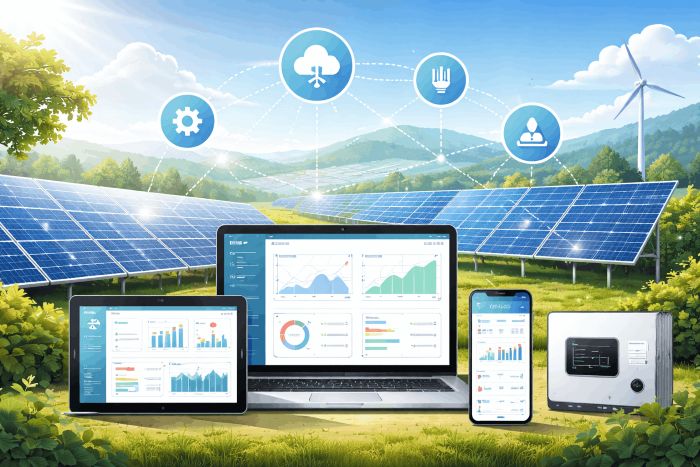
Remote monitoring serves as a critical component for solar PV systems, offering you immediate visibility into your installation’s performance. These technologies connect to your internet router and transmit data from the solar system’s inverter directly to the manufacturer’s monitoring database.
The main advantage of implementing remote monitoring is the rapid detection of issues. You’ll receive alerts for potential problems within days of a consistent outage or significant drop in production. This quick notification system allows for faster troubleshooting and minimizes downtime.
Modern remote monitoring platforms feature user-friendly dashboards that display real-time production data, historical performance metrics, and system health indicators. Many solutions now include mobile applications, giving you access to your solar system’s performance from anywhere.
However, these systems do face certain limitations. Their effectiveness depends on stable internet connectivity, which might be challenging in some locations. Additionally, the quality of monitoring varies between manufacturers, with some providing more comprehensive data than others.
In practice, remote monitoring becomes far more powerful when connected to Scoop solar project management software. These platforms centralize alerts, incidents, and performance data into structured workflows, enabling solar teams to prioritize issues, assign tasks, and track resolution across multiple sites.
Data Collection And Analytics
Data collection forms the foundation of effective remote solar site management. Your system continuously gathers information on energy production, equipment performance, and environmental conditions. This raw data transforms into valuable insights through sophisticated analytics tools.
The analytics process begins with data acquisition from various sensors and monitoring devices throughout your solar installation. Communication protocols then transmit this information to centralized platforms where visualization tools present it in accessible formats like graphs, charts, and customized reports.
Through careful analysis of this data, you can identify performance patterns, detect anomalies, and receive alert notifications when metrics fall outside expected parameters. The system enables remote control capabilities, allowing adjustments without physical site visits.
One significant benefit of comprehensive data analytics is troubleshooting efficiency. When issues arise, historical data provides context for diagnosing problems quickly. More advanced systems incorporate predictive analysis, using machine learning algorithms to forecast potential failures before they occur.
IoT-Based Smart Solutions
IoT technology has revolutionized remote solar site management by creating interconnected systems that communicate seamlessly. These smart solutions enable remote live tracking and recording of your solar energy systems with unprecedented detail and accessibility.
The core functionality relies on sensors and devices embedded throughout your solar installation. These components collect data on everything from panel temperature to inverter efficiency, creating a comprehensive picture of system health and performance.
Cloud platforms receive this information in real-time, making it accessible from any internet-connected device. The result gives you complete visibility into your solar assets without requiring physical presence at the site.
Smart solutions offer particular advantages in preventative maintenance. The continuous stream of performance data helps identify subtle changes that might indicate developing problems. This early detection allows for intervention before minor issues become major failures.
Energy optimization represents another key benefit. IoT systems can analyze production patterns alongside consumption data to suggest adjustments that maximize the value of your solar generation.
Security And Physical Protection Measures
Safeguarding Infrastructure
Physical protection of your solar infrastructure requires a multi-layered approach combining traditional barriers with advanced technology. Perimeter fencing represents the first line of defense, with options ranging from chain-link to more robust anti-climb designs depending on your risk assessment.
Security lighting plays a dual role by deterring potential intruders while facilitating surveillance operations. Motion-activated lighting systems conserve energy while drawing attention to unusual activity around your facility.
For comprehensive site monitoring, consider implementing solar-powered camera systems strategically positioned throughout your installation. These self-sufficient units provide continuous surveillance without requiring connection to the main power grid.
Your infrastructure protection strategy should extend beyond the solar arrays themselves to include supporting equipment. Seismic stations, Wi-Fi power stations, and vehicle over-height detection systems all benefit from off-grid solar power and require equivalent security consideration.
Access control systems limit entry to authorized personnel only, with options ranging from basic key systems to advanced biometric verification. Physical hardening of critical components through protective enclosures or tamper-evident seals adds another layer of security to your most valuable assets.
Intrusion Detection And Prevention
Early detection forms the cornerstone of effective security at remote solar sites. Your intrusion detection systems should provide real-time alerts when unauthorized access occurs, allowing for rapid response before damage happens.
Modern solar facilities utilize a combination of technologies for comprehensive coverage. Perimeter sensors can detect fence breaches or movement in restricted areas, while video analytics software monitors camera feeds to identify suspicious behavior automatically.
The remote location of most solar power plants, chosen to maximize sun exposure, creates unique security challenges. Your detection systems must function reliably despite harsh environmental conditions and limited connectivity options.
Drone technology offers an emerging solution for large-scale solar farms. Automated aerial surveillance can cover extensive areas efficiently, identifying potential threats that might go unnoticed by ground-based systems.
Network Security And Encryption
Digital protection deserves equal attention as physical security at your remote solar installations. The growing interconnectivity of solar monitoring systems creates potential vulnerabilities that require robust cybersecurity measures.
Your primary goal involves establishing secure connections between solar PV meters and internet networks through properly protected remote site connections. This requires implementing multiple layers of digital defense.
Encryption serves as the foundation of network security, protecting data both in transit and at rest. Strong encryption protocols ensure that even if unauthorized access occurs, the information remains unreadable without proper authentication.
Virtual Private Networks (VPNs) create secure tunnels for data transmission between your remote sites and central monitoring facilities. This technology prevents interception of sensitive operational data or control signals.
Access management systems restrict digital entry points through strong authentication requirements. Multi-factor authentication adds an extra security layer by requiring something users know (password) plus something they have (security token) or something they are (biometric verification).
Regular security updates and patch management help address newly discovered vulnerabilities in your network infrastructure. Automated monitoring tools can detect unusual network activity that might indicate attempted intrusions or ongoing attacks.
Best Practices For Long-Term Sustainability
Routine Maintenance And Inspections
Regular maintenance checks serve as the backbone of any successful remote solar installation. Your solar team should establish a comprehensive schedule for inspections that covers all critical components of the system.
Remote monitoring technology plays a crucial role in this process, providing timely alerts about potential issues within days of consistent outages or significant drops in production. This early warning system allows your maintenance crews to address problems before they escalate into costly failures.
Physical inspections remain necessary despite advanced monitoring capabilities. Your technicians should check for physical damage, clean panels to maintain optimal efficiency, and verify electrical connections during site visits. These hands-on evaluations catch issues that remote systems might miss.
Future Innovations And Emerging Trends
Artificial intelligence and machine learning technologies are transforming how your solar sites operate. These systems analyze performance data to predict potential failures before they occur, allowing for proactive maintenance that minimizes downtime.
Smart solar monitoring systems leverage Internet of Things (IoT) technology for remote live tracking and detailed recording of energy production. Your operations benefit from real-time insights that optimize performance across multiple locations simultaneously.
Drone technology continues to revolutionize inspection processes. Your solar teams can deploy drones to capture high-resolution images of solar arrays, identifying issues like hot spots or physical damage without requiring technicians to access difficult terrain.
Battery storage integration represents another significant advancement. Your remote sites can store excess energy during peak production periods and release it when needed, creating more reliable power supply regardless of weather conditions.