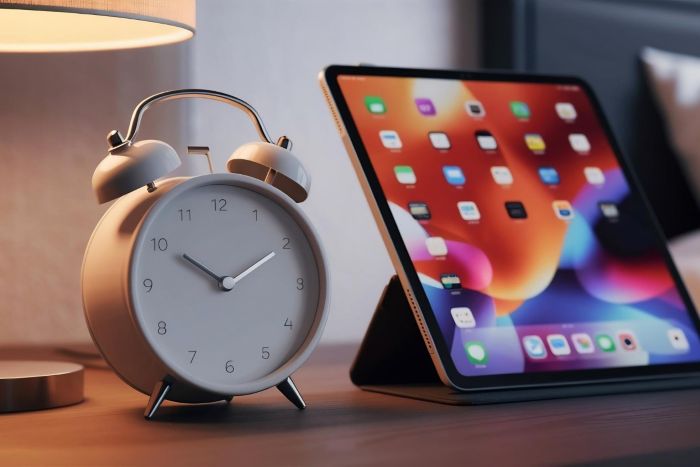
Morning habits used to follow simple patterns: an alarm clock rings, coffee brews, and the day slowly begins. Smart devices have reshaped that rhythm of daily routines. Phones, voice assistants, and connected home systems now organize tasks before people even leave the bed. Lights brighten gradually, thermostats adjust the room temperature, and digital reminders line up the day’s agenda. These small conveniences add up, turning everyday routines into coordinated sequences guided by technology.
Digital services also connect entertainment, payments, and lifestyle tools in one place. While browsing apps or managing subscriptions, users often jump between services for music, streaming, or gaming credits. Users can top up digital balances on platforms like Eneba – recharge Jeton Cash quickly while keeping online activities organized across different accounts.
Key Takeaways
- Smart devices transform daily routines by automating tasks like lighting, temperature control, and reminders.
- Entertainment and gaming now rely on connected technology, allowing seamless access to games across devices and cloud services.
- Budget gaming emphasizes value over costly upgrades, with platforms like Eneba offering competitive pricing and instant delivery.
- Personal productivity and health benefit from smart tools, tracking fitness metrics and managing schedules effortlessly.
- Connected technology now permeates all aspects of daily routines, creating a cohesive digital environment for tasks and entertainment.
Table of contents
Smart Homes Simplify Everyday Tasks
Smart home devices reduce friction in daily chores. A connected washing machine can notify a phone once a cycle ends. Smart fridges track grocery supplies and send alerts when items run low. Voice assistants control lighting or speakers across rooms, allowing people to manage the environment without walking around the house.
These systems save time and energy during busy days. Imagine returning home from work while a smart thermostat has already cooled the living room. Dinner timers run through a phone app while a robot vacuum quietly cleans the floor. Each device plays a small role, but together they reshape how households function.
Routine errands have shifted as well. Shopping lists, travel bookings, and digital payments now live inside apps that sync across devices. A tablet started in the kitchen continues on a phone during the commute. The experience feels seamless because information moves instantly between gadgets.
Entertainment and Gaming in the Smart Device Era
Smart technology also changed how people relax after work. Gaming once required a dedicated console or computer. Now phones, tablets, and smart TVs support large libraries of digital titles. Cloud services stream games directly to devices without heavy hardware requirements.
This shift has encouraged a more flexible style of gaming during daily routines. Players jump into a match during a train ride or continue a saved game from a different screen later at home. Notifications and digital storefronts introduce new titles or sales in seconds, giving players many ways to expand their libraries.
At this point, value plays a major role in how people build those libraries. Budget gaming describes a practical approach where players focus on value rather than expensive hardware upgrades or paying full retail prices for every release. Instead of chasing high-end setups, many gamers combine affordable devices with discounted game keys and digital deals. Platforms like Eneba support that approach with a large catalogue of titles, competitive pricing, and instant digital delivery. Product pages clearly show platform compatibility along with Global or region-locked information, helping buyers choose correctly before purchase. The platform also operates a controlled marketplace where merchants undergo verification, follow compliance and sourcing standards, and remain under monitoring with action taken if policies are breached.
Productivity and Health Tracking
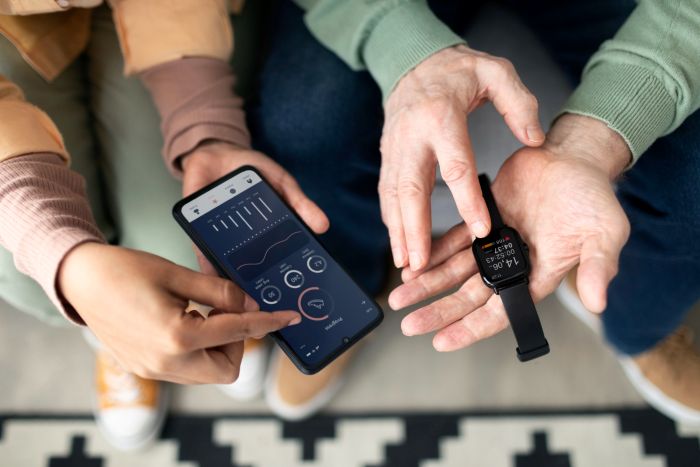
Smart devices extend their influence into personal productivity and wellness. Fitness bands monitor steps, heart rate, and sleep cycles while sending summaries to a phone app. Digital calendars coordinate meetings across multiple time zones. Smart notebooks sync handwritten notes into cloud storage.
People rely on these tools to manage busy schedules. A smartwatch vibrates with reminders during meetings. A connected water bottle tracks hydration goals across the day. Small nudges like these influence habits in subtle ways, helping users stay organized without constant manual tracking.
Even healthcare benefits from connected technology. Remote consultations, digital prescriptions, and monitoring devices allow doctors to review patient data from a distance. For individuals with ongoing conditions, this system reduces hospital visits while keeping medical records accessible.
Daily Routines Built Around Connected Technology
Smart devices have woven themselves into nearly every part of daily routines and life. Morning alarms, commuting playlists, online shopping, and evening gaming sessions now revolve around connected systems. The appeal lies in convenience. Tasks once scattered across different tools now live inside a single digital environment.
As technology grows more integrated, the line between daily life and digital services becomes even thinner. Entertainment, productivity, and communication all run through the same network of apps and devices. Digital marketplaces like Eneba offering deals on all things digital fit naturally into this environment, helping users access games, subscriptions, and credits with minimal effort.