As we enter 2026, home energy storage is no longer just about solar panels and batteries. The real revolution in residential renewable energy comes from the software that manages, optimizes, and automates energy usage. Modern solar battery systems are now driven by advanced software, enabling homeowners to maximize efficiency, reduce costs, and maintain an uninterrupted power supply. This article explores how software powers smart energy storage, the technologies behind it, and its impact on modern households.
Table of contents
Understanding Software-Driven Solar Battery Systems
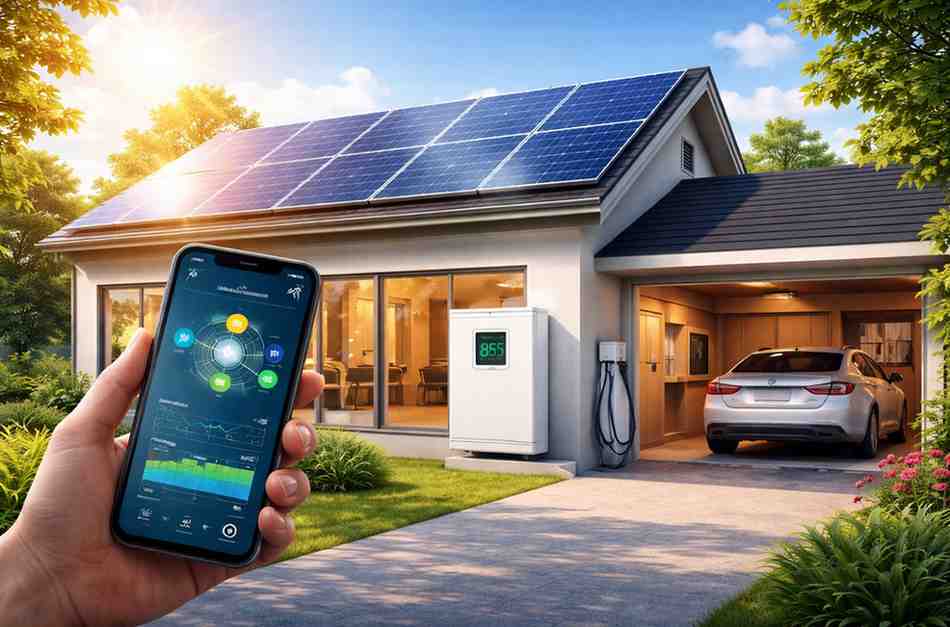
A solar battery system is no longer a simple storage device. It is now part of an interconnected digital ecosystem where software serves as the central intelligence. These systems collect real-time data from solar panels, batteries, inverters, and even smart appliances to make automated decisions about when to store, use, or share energy. The software layer ensures that stored energy is used efficiently, electricity costs are minimized, and the system remains resilient during outages.
Modern home energy storage platforms combine sensors, embedded firmware, cloud computing, and artificial intelligence to monitor electricity production and consumption. They analyze patterns in household energy usage, anticipate peak demand, and even integrate external data such as weather forecasts to optimize battery performance. This software-centric approach transforms a traditional solar battery into a dynamic energy management hub.
How Smart Software Controls Energy Flow
Software in home energy systems manages energy at multiple stages. It begins by tracking electricity generation from solar panels and identifying periods of surplus energy. Instead of merely storing all excess energy, the system uses algorithms to decide how much to store, how much to use immediately, and whether any can be sent back to the grid. These decisions are informed by historical consumption patterns, electricity pricing, and battery health metrics. For households with higher energy demands, systems often integrate a 30kWh lithium battery to ensure that sufficient energy is available for extended periods.
When it is time to draw energy from the battery, the software ensures that power is distributed efficiently throughout the home. It can prioritize critical appliances during outages or balance load to prevent unnecessary battery depletion. Advanced systems use predictive analytics to forecast energy demand for the day ahead and automatically adjust charging and discharging schedules to maximize efficiency and extend battery lifespan.
Core Software Components
At the heart of every smart energy storage system is the Energy Management System (EMS), which acts as the decision-making hub. The EMS receives data from solar panels, inverters, and connected appliances to control energy distribution. It is supported by the Battery Management System (BMS), which monitors battery health, temperature, and charge cycles. Together, these software components maintain system stability and optimize energy use without requiring constant human intervention.
Cloud integration is also a critical part of modern systems. Cloud-based platforms store energy-usage data, enable remote monitoring via apps, and facilitate over-the-air firmware updates. Homeowners can access intuitive dashboards to view real-time production and consumption statistics, receive alerts about potential issues, and adjust preferences for energy storage and backup power. The total investment in such systems often depends on solar battery storage price, which can vary based on capacity, technology, and installation complexity.
AI and Automation in Home Energy Storage
Artificial intelligence is increasingly central to solar battery software. AI algorithms analyze patterns in electricity consumption, predict future usage, and dynamically adjust energy distribution. This intelligent automation allows systems to operate with minimal human input while maximizing efficiency. For example, AI can identify periods of high energy cost and automatically discharge stored electricity to avoid expensive grid power.
Integration with smart home devices further enhances automation. The software can communicate with thermostats, appliances, and electric vehicle chargers to coordinate energy use intelligently. It can shift non-essential loads to periods when solar energy is abundant, effectively creating a fully automated, energy-efficient household ecosystem.
Security, Privacy, and Data Analytics
With increased connectivity comes the need for robust cybersecurity. Software-driven solar battery systems employ encrypted communications, secure cloud storage, and user authentication to protect against unauthorized access. Data collected from the system is not only used for immediate energy optimization but also for long-term analytics. Homeowners and service providers can track performance trends, anticipate maintenance needs, and evaluate the overall efficiency of their energy usage over months and years.
The Future of Software in Solar Energy Storage
Looking forward, software will continue to define the capabilities of home energy storage systems. Virtual power plant integration will enable households to dynamically share or sell stored energy back to the grid. Machine learning models will become more sophisticated, predicting household energy consumption with greater precision. Edge computing will allow critical decision-making to occur locally, improving response times and reducing reliance on cloud connectivity.
By 2026, investing in a solar battery system is not just about hardware capacity but the intelligence that software brings to energy management. Homes with advanced software-driven systems enjoy better energy efficiency, greater reliability, and increased autonomy from traditional power grids.
Conclusion
Smart software is now the engine behind residential solar battery systems. From real-time monitoring and AI-driven decision-making to cloud integration and predictive analytics, the software layer transforms a simple battery into a sophisticated energy management platform. Homeowners who adopt these intelligent systems can optimize energy usage, lower costs, and ensure a reliable power supply, all while contributing to a cleaner, more sustainable future. In 2026, software is no longer an accessory to solar batteries—it is the defining factor of their effectiveness and value.