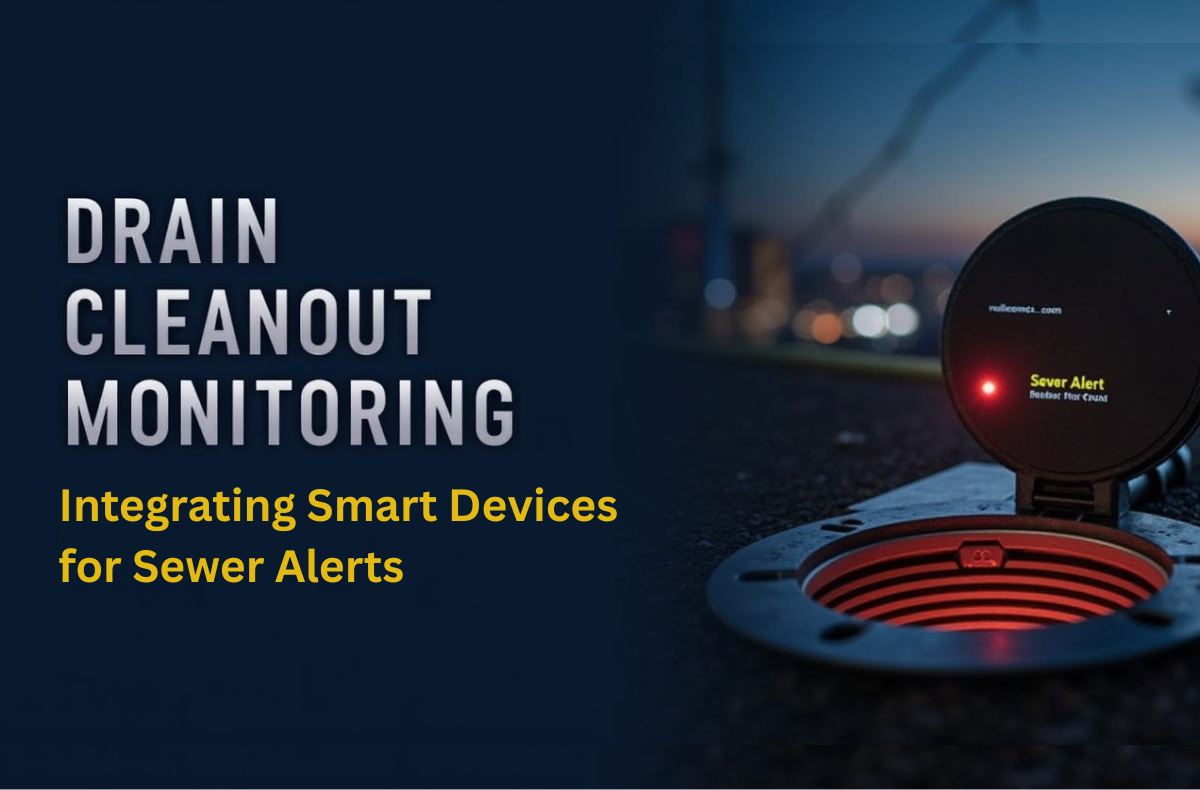
Coming home to a basement flooded with wastewater is a nightmare for homeowners. It can lead to huge expenses for repairs and serious health hazards. The major factor in the prevention of this disaster is usually a tiny, unnoticed pipe part. The most important thing about plumbing health is monitoring the drain cleanout.
The traditional plumbing relies on reacting to disasters after they happen. However, modern technology provides a better way. With smart devices combined with the drain cleanout, you can spot issues long before they develop into emergencies. This guide explores how smart drain monitoring and sewer alerts are optimizing home maintenance, saving your money, and protecting your property.
Key Takeaways
- A drain cleanout is a crucial access point for maintaining sewer lines and preventing disasters like basement flooding.
- Smart drain monitoring technology allows homeowners to proactively detect issues, minimizing costly repairs and health hazards.
- Understanding common sewer issues and signs of trouble can help homeowners take action before emergencies arise.
- Integrating smart devices for sewer alerts offers benefits such as early detection, cost savings, and environmental protection.
- The future of plumbing involves predictive technology that will automate maintenance tasks, ensuring smarter home care.
Table of Contents
- Understanding Drain Cleanouts
- Common Causes of Sewer Issues
- Smart Drain Monitoring Technology
- Benefits of Integrating Smart Devices for Sewer Alerts
- Examples of Smart Devices for Cleanout Monitoring
- How to Install and Maintain Smart Drain Monitoring Systems
- The Future of Plumbing: Predictive Plumbing Technology
- Conclusion
- FAQs
Understanding Drain Cleanouts
What is a Drain Cleanout?
A drain cleanout is a specific access point to your main sewer line. It is typically a capped pipe, often 4 inches in diameter, that allows plumbers to access the sewer system to clear blockages or inspect pipes without removing toilets or cutting into walls. If you are wondering what a cleanout drain is, think of it as the “service entrance” for your plumbing system.
Why Are They Important?
The drain cleanout is essential for effective plumbing maintenance. According to the 2024 International Plumbing Code (IPC), cleanouts are required at intervals of not more than 100 feet for smaller sewer lines. Without an accessible drain cleanout, resolving a simple clog can turn into a major excavation project, significantly increasing the main drain cleanout cost.
Where to Find Your Drain Cleanout
Finding your drain cleanout can sometimes be a treasure hunt. Common locations include:
- The Yard: Look for a drain cleanout cover or cap sticking up from the ground near the foundation.
- The Basement: Check for a floor drain cleanout plug near the main stack.
- Exterior Walls: Sometimes located along the side of the house.
- Bathrooms/Kitchens: You might find a kitchen sink drain cleanout or a shower drain cleanout under cabinets or access panels.
If you are unsure how to find drain cleanout locations, check your home inspection report or look for a PVC or cast-iron pipe cap stamped with “CO” or “Cleanout.”
Common Causes of Sewer Issues
Understanding why backups happen highlights the need for a sewer line alert system. While a cleanout drain cleaner can handle minor clogs, major structural issues require professional attention.
- Tree Root Intrusion: Roots seek moisture and can invade tiny cracks in sewer lines.
- Fats, Oils, and Grease (FOG): These substances solidify in pipes, acting like a cleanout drain cleaner in reverse, creating blocks rather than clearing them.
- Foreign Objects: Wipes, hygiene products, and toys are frequent culprits.
- Structural Damage: Older pipes may crack or collapse, requiring a sewer line alert system to detect flow changes.
Here are the signs of trouble.
- Slow drainage in multiple fixtures.
- Gurgling sounds coming from the toilet or the drain trap cleanout plug.
- Foul odors near the drain system cover plate.
Smart Drain Monitoring Technology
Transforming Maintenance
Smart drain monitoring moves plumbing from reactive to proactive. Instead of waiting for a backup at your house drain cleanout, IoT plumbing sensors continuously track the health of your system.
Key Features
- Flow Sensors: Monitor water usage and detect continuous running water.
- Pressure Sensors: Detect spikes that indicate a blockage downstream from the drain cleanout.
- Flood Detectors: Placed near the floor drain system or the basement floor drain cleanout plug to alert you to leaks immediately.
- Smart Alerts: Send notifications to your phone via a WiFi sewer monitoring device.
Predictive Analytics
Advanced sewer line monitoring technology uses algorithms to learn your home’s water patterns. If usage deviates, suggesting a partial block near the main drain system, the system sends an alert before a full backup occurs.
Benefits of Integrating Smart Devices for Sewer Alerts
Upgrading your drain cleanout with smart tech offers more than just convenience; it offers protection.
Early Detection and Cost Savings
Sewer backup detection is the primary benefit. By catching a clog early, you can often clear it with a snake through the drain pipe cleanout plug rather than paying for major excavation. Furthermore, insurance partnerships, like those between Moen and Liberty Mutual, suggest that smart leak detection can reduce claim frequency by up to 96%.
Cost Effectiveness
The cost of installing smart drain inspection tools is a fraction of the cost of sewer repair.
Here is a comparison of Smart and traditional monitoring.
| Expense Category | Traditional Monitoring (No Smart Tech) | Smart Monitoring (Smart Tech) |
|---|---|---|
| Detection Method | Reactive (after damage occurs) | Proactive (real-time alerts) |
| Visibility | None until overflow. | 24/7 data via app. |
| Response Time | Hours to Days | Immediate |
| Typical Cost | $5,000 – $15,000+ (Excavation/Cleanup) | $200 – $500 (Sensor + Hydro-jetting) |
| Insurance Claim | Frequent denial (Sewer backups often excluded) | preventable |
Environmental Impact
Preventing overflows via sewer backup detection keeps raw sewage out of the environment and your yard, protecting local groundwater.
Examples of Smart Devices for Cleanout Monitoring
There are several smart home maintenance tools available that integrate with your drain system.
- Smart Water Monitors: Devices like Flo by Moen or Phyn monitor whole-home usage and pressure. While not placed inside the drain system, they detect the pressure anomalies that precede backups.
- Sewer Sentry Devices: Specific IoT plumbing sensors designed to sit under a drain system cover to monitor liquid levels in the sewer lateral.
- Flood Sensors: Simple “pucks” placed near a kitchen sink or basement floor that scream or text you when they get wet.
How to Install and Maintain Smart Drain Monitoring Systems
Installation Guide
- Locate the Access Point: Find your main drain cleanout in the house.
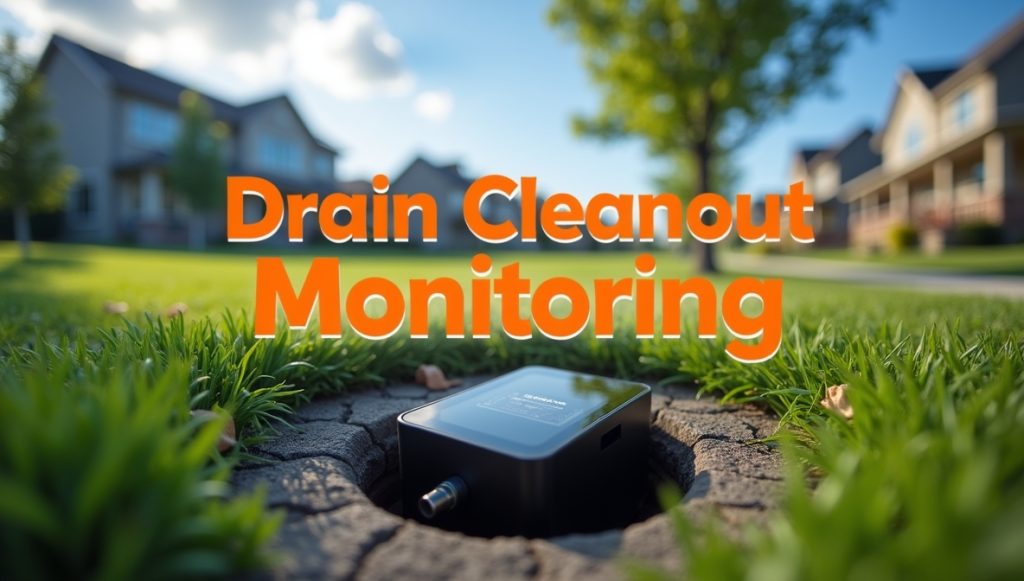
- Choose the Device: Select a WiFi sewer monitoring device or snap-on flow monitor.
- Install Sensors: For external sensors, attach them to the main water line. For drain blockage sensor types, follow the manufacturer’s instructions for insertion or attachment near the drain pipe cleanout plug.
- Connect to WiFi: Sync the device with your smartphone app to receive real-time sewer alerts.
Maintenance Tips
- Check the battery life of your IoT plumbing sensors.
- Ensure the drain system cover remains accessible and isn’t buried by landscaping.
- Clean the area around the footing drain cleanout to prevent debris from interfering with external sensors.
The Future of Plumbing: Predictive Plumbing Technology
The futurology of the drain system is AI-powered. Predictive plumbing technology will eventually connect to your smart home maintenance tools and autoschedule repairs. Picture your house realizing there’s a clog in the drain system and making an automatic call out to a plumber to service the line.
What’s more, smart drain inspection equipment is also getting smaller and cheaper, enabling the homeowner to visually inspect their sewer cleanout without expensive professional tools.
Conclusion
The drain cleanout is no longer just a dumb pipe in your yard; it’s the gateway to a smarter, safer home. And by using smart drain monitoring and sewer line monitoring, you turn a blind infrastructure into a smart one.
Whether you’re inspecting a basement floor drain system door or installing a leak-detection smart device, proactive steps now can stop expensive disasters later. Embrace the data, listen to those real-time alerts from the sewers, and make sure your drain clean-out is open in case you need to flush it out.
FAQs
A drain cleanout is a sealed access point specifically for maintenance and clearing clogs in the sewer line. A floor drain collects water from the floor and directs it into the sewer; however, a floor drain with a cleanout may combine both features.
You should visually inspect your drain cleanout cover and area every few months. If you have smart drain monitoring, check the app status weekly. Professional cleaning is recommended every 18–24 months.
Yes, many IoT plumbing sensors are designed to be non-invasive. Some secure onto the pipe near the house drain system, while others may monitor flow rates from the main water supply to infer drainage issues.
If you cannot find your drain cleanout, hire a plumber with locating equipment. Once found, extend the pipe to ground level and install a proper drain cleanout cover plate for easy future access.
Yes. A French drain cleanout provides access to a groundwater drainage system (usually for rain/yard water), while a sewer drain system connects to the sanitary sewer system that handles wastewater from toilets and sinks.