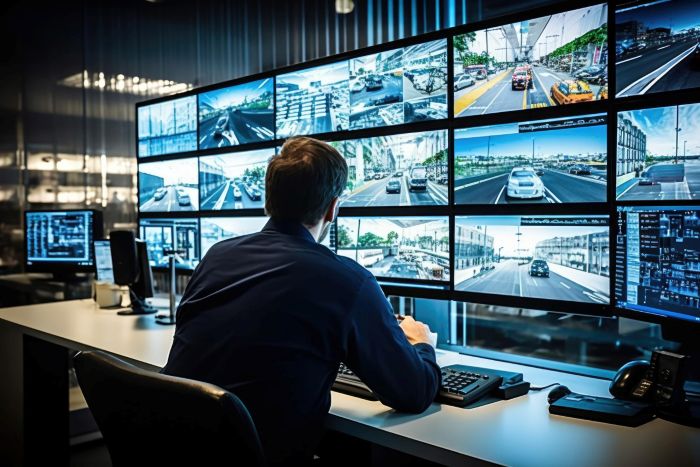
Selecting a video surveillance system is one of the most important decisions for any property owner. Modern technology offers more than just grainy footage of an empty hallway. You can now access high-definition video that monitors your space in real time. It is a smart way to keep an eye on things when you are away.
Key Takeaways
- Selecting a video surveillance system is crucial for property owners, as modern technology offers high-definition, real-time monitoring.
- Assess your security needs based on your layout and decide if you want to deter or catch crime as it happens.
- Budgeting involves considering installation, storage, and maintenance costs, as these can significantly affect overall expenses.
- Evaluate digital versus analog systems, noting that digital offers better image quality and remote viewing capabilities.
- Plan for future growth by choosing systems that allow for easy expansion, ensuring flexibility as your security needs change.
Table of contents
- Identifying Your Security Needs
- Comparing Digital and Analog Options
- Understanding the Costs of Protection
- Deciding on Storage Solutions
- Powering Your Video Surveillance System Grid
- Complying with Legal Standards
- Managing Your Video Data
- Strengthening Your Cybersecurity
- Evaluating Smart Features in Video Surveillance Systems
- Planning for Future Growth
Identifying Your Security Needs
The first step in your journey involves looking at your specific layout. Every building has different weak points that need attention. Large parking lots require different tools than a small office lobby. You must decide if you want to deter crime or catch it as it happens.
One report mentioned that the global video surveillance system market reached $73.75 billion in 2025. This growth shows how many people are investing in their safety. You are joining a massive movement of proactive security.
Comparing Digital and Analog Options
Old school analog systems use cables to send signals to a recorder. They are often cheaper but offer lower image quality. Digital IP cameras send data over a network for much clearer pictures. Most modern users prefer a digital video surveillance system because it allows for remote viewing on a phone.
When you weigh your choices, look into the AI PTZ Camera technology to see how tracking works. These smart devices can follow movement without a human operator. They provide a level of coverage that standard stationary cameras cannot match.
Understanding the Costs of Protection
Budgeting for a new system goes beyond the price of the cameras. You have to think about installation, storage, and maintenance fees. High-end cameras usually come with better software and longer warranties. Cheaper units might save money today, but cost more if they fail early.
Data from a security study shows that equipment prices range from $30 to $500 per camera. Professional installation often adds another $100 to $200 per unit. Knowing these numbers helps you plan your spending without surprises.
Deciding on Storage Solutions
Where you keep your video is just as important as how you film it. Local storage uses hard drives located inside your building. Cloud storage sends the video to a secure server on the internet. Many people use a mix of both to stay safe.
- Local storage works without an internet connection.
- Cloud storage allows you to access files from anywhere.
- Hybrid systems offer the best of both worlds.
- Recording time depends on the size of your hard drive.
Powering Your Video Surveillance System Grid
Cameras need a steady source of electricity to work correctly. Some units plug into a standard wall outlet. Others use Power over Ethernet (PoE) to get power and data from one cable. This makes the setup look cleaner and reduces the need for extra wiring.
A tech blog recently explained that edge AI processes data directly on the camera. This reduces the strain on your local network and speeds up alerts. It is a great feature for those with limited bandwidth.
Complying with Legal Standards
You must follow certain laws when installing cameras on your property. Privacy rules dictate where you can and cannot record. It is usually illegal to film in bathrooms or locker rooms. You should also check if your equipment meets specific government standards.
An industry guide noted that NDAA-compliant cameras are necessary for many government contracts. These devices avoid components from prohibited manufacturers to ensure better security. Always check the labels before you buy.
Selecting the Right Software
The software is the brain of your entire video surveillance system setup. It allows you to search through hours of footage in seconds. Good software will send a notification to your phone if it detects a person. This helps you react to a situation before it turns into a problem.
A market analysis estimated that the video management software industry will reach $83.91 billion by 2035. This massive scale means software features are always getting better. You can expect more automation in the coming years.
Managing Your Video Data
High-resolution video takes up a lot of digital space. If you want to keep 30 days of footage, you need plenty of storage. Compressing the files can help, but it might lower the image quality. Finding a balance is the key to a functional system.
A commercial security guide suggested calculating storage based on resolution and frame rates. Higher frame rates make video smoother, but fill up drives faster. Most businesses find a middle ground that keeps images clear enough for evidence.
Strengthening Your Cybersecurity
Any device connected to the internet can be a target for hackers. You must change the default passwords on your cameras immediately. Keeping your software updated is the best way to block new threats. A hacked camera is a liability rather than an asset.
Experts in a 2025 security report stated that compliance frameworks like SOC 2 build trust. Following these best practices keeps your data away from prying eyes. It is an extra layer of safety for your digital life.
Evaluating Smart Features in Video Surveillance Systems
Artificial intelligence has changed how we look at security footage. Modern systems can tell the difference between a stray cat and a person. This reduces the number of false alarms you get at night. It makes the system much more useful for busy owners.
One article on AI security explained that these cameras go beyond just recording. They proactively detect threats to prevent incidents before they start. This shift from reactive to proactive is a huge benefit for users.
Planning for Future Growth
Your security needs might change as your business or family grows. It is smart to buy a system that allows you to add more cameras later. A flexible setup saves you from having to replace everything in a few years.
Market research predicts the smart home camera market will hit $10.4 billion by 2027. This trend means more residential options are becoming available for small buildings. You can find professional features in smaller, more affordable packages.
Choosing the right system requires a bit of research and planning. You want a setup that is easy to use and reliable. Take your time to compare different brands and read user reviews. A solid investment now will provide peace of mind for years to come.
A recent trend report noted that businesses are rethinking how they deploy surveillance. Proactive protection is becoming the standard for modern properties. By following these steps, you will find a video surveillance system that keeps your property and people safe.