Why Proper End-of-Life Data Management Matters
In a world where information is constantly created, stored, and transferred across digital systems, ensuring that data is disposed of safely has become a crucial responsibility. When devices reach the end of their operational life, the information they contain does not simply disappear. Without the right measures in place, old hardware can expose organisations and individuals to data breaches, identity theft, and long-term security risks. International information security frameworks such as ISO/IEC 27001 emphasise the secure management of data throughout its lifecycle, including appropriate controls for the handling and disposal of information assets.
Table of contents
What Happens to Data on Retired Devices
Persistence of Stored Information
Even when files are deleted or systems are reformatted, large portions of data remain on the storage medium. This is especially true for magnetic hard drives and solid-state drives, where remnants can often be recovered using specialised tools. Because of this persistence, the process known as hard drive destruction has emerged as a reliable method for eliminating risk at the end of a device’s lifecycle.
Risks Associated with Improper Disposal
When hardware is discarded through informal IT refresh cycles, office clear-outs, or unverified recycling channels, residual data can expose sensitive digital assets. Threat actors actively target decommissioned devices to recover authentication data, application logs, customer records, or internal system information. For organisations, this can trigger regulatory penalties, incident response costs, and long-term damage to brand trust. For individuals, recovered data may enable account compromise, identity Verification, or unauthorised access to connected services.
Approaches to Secure Data Disposal
Physical Destruction of Hardware
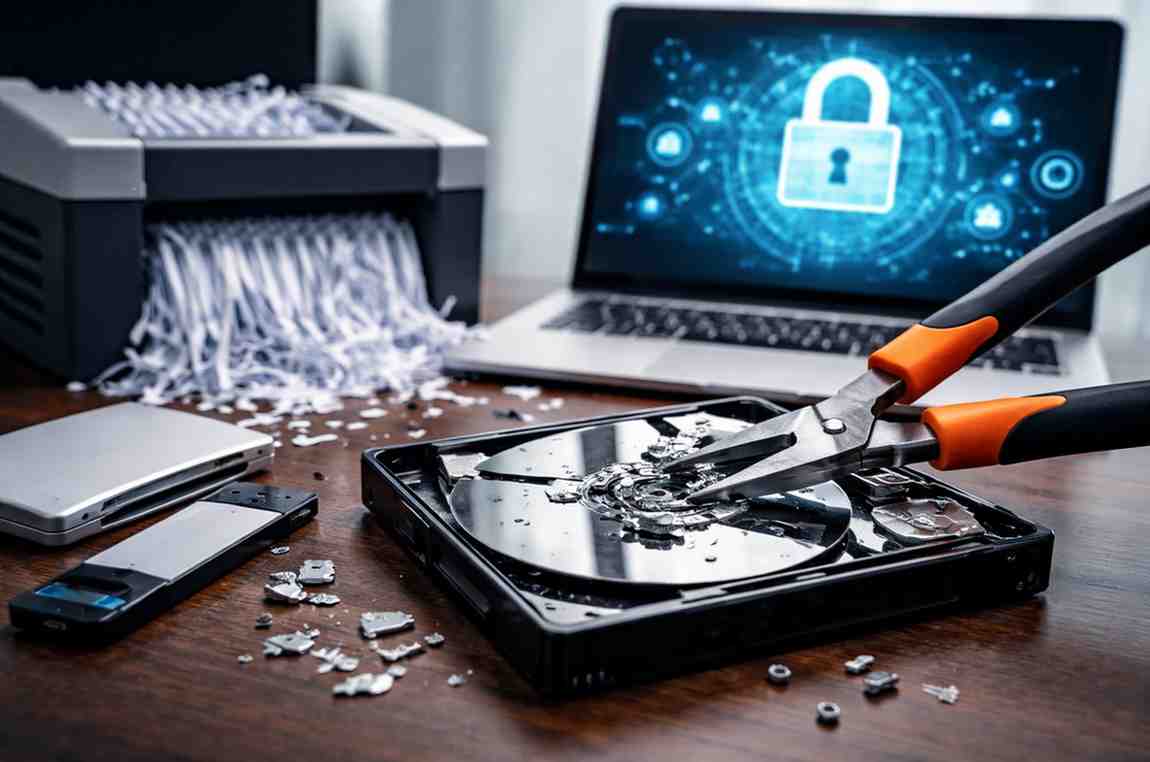
Burning, in the literal sense of physical destruction , is still the most effective way to prevent recovery. Physical destruction methods, including industrial shredding, crushing, or disintegration, destroy both storage media and any controllers directly in place inside them so that no software-based recovery is possible. This is the typical practice for organizations that have regulated data, proprietary software and highly sensitive workloads they don’t want to leave behind once deleted.
Data Wiping and Overwriting
Software-based data wiping uses specialised utilities to overwrite storage media with structured or random data patterns. While effective for many environments, results can vary depending on storage architecture. Solid-state drives, for example, rely on wear-levelling algorithms and firmware-level data management, which may prevent complete overwriting of all memory cells. In high-risk or regulated scenarios, software wiping is often supplemented or replaced by physical destruction to eliminate uncertainty.
Degaussing for Magnetic Storage
Degaussing neutralises data by exposing magnetic storage media to a strong magnetic field, disrupting the alignment of stored bits. This method is limited to traditional magnetic drives and is ineffective against solid-state storage. Because degaussing can also damage drive electronics and firmware, it is generally considered a terminal process rather than a reusable sanitisation technique.
Environmental Considerations
Responsible Processing of Electronic Waste
A data-carrying device is a physical asset with recyclable components and environmentally hazardous materials. Secure disposal methods eradicate data, and then channel the remaining hardware through controlled recycling streams. These systems safely recycle metals and electronics and prevent the uncontrolled release of toxic materials.
Legislation and Compliance
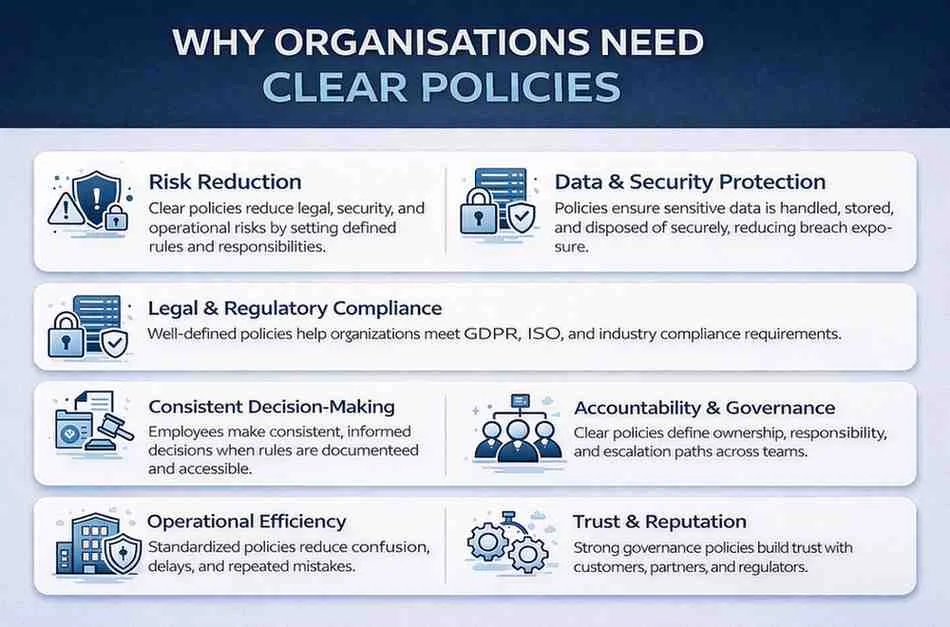
Both in the UK and throughout Europe, data protection and e-waste laws place clearly defined responsibilities on businesses that operate digital systems. Most compliance frameworks need the organisation to prove that the information is secure over its life cycle including decommissioning. Inability to properly retire storage devices can result in enforcement actions, monetary penalties and violations of data protection laws or information security standards.
Why Organisations Need Clear Policies
Establishing a Secure Chain of Custody
From the ITopo end, traceability in EOL asset management is necessary. A verified chain of custody logs every step in a device’s handling, from decommissioning and transportation to sanitisation or destruction. This record helps with audits and incident investigations, as well as with regulatory compliance, while minimizing risk. People are picking up the view-sensitive data fields required for transition.
Training and Awareness
Technology’s reign of control will not be enough. The members of staff in charge of IT equipment should be familiar with abandonment action and the potential hazards for not doing so. Even those relatively minor actions, such as keeping out-of-service drives on site or purchasing from unauthorized vendors, can compromise enterprise security controls. Continual training helps maintain data protection as a core value across the organisation.
Looking Ahead
The Growing Volume of Digital Information
The software ecology expands, and as our devices become ever more interconnected, the sum of data on physical media grows. “Edge computing, remote-work infrastructure, and hybrid IT all add to the number of endpoints that need safely winding down.” Although enhanced cleaning tools or devices may improve productivity, the core requirement for ensuring data elimination is unlikely to change.
Building a Long-Term Approach to Data Security
Secure disposal is not an isolated task but a component of a broader software and information security strategy. Integrating asset lifecycle management with security policies, compliance requirements, and environmental responsibility enables organisations to reduce risk systematically. By aligning technical controls with governance and operational discipline, organisations can protect digital assets well beyond a device’s active service life.