
Energy storage is now a behind-the-scenes yet fundamental component regarding the operation of the way infrastructure is currently constructed. From the way the flow of individuals is allowed to move to the way the backup power is regulated, energy reliability is determined by the way it behaves when it is under pressure and supported by intelligent monitoring. This is why technical decision makers have been faced with the challenge of moving past the batteries to the way they are regulated and secured.
As energy patterns change, the discussion around the battery management system in India is becoming a matter for engineers and planners from a technological base rather than an actual system. Within the second tier of such a discussion, many engineers draw on practical learning materials such as the Battery management System in India to inform their understanding of energy conditions without referencing commercial viability.
Key Takeaways
- Energy storage underpins infrastructure operations, requiring vigilant management of batteries to ensure reliability.
- The battery management system in India emphasizes the importance of intelligent monitoring and oversight for large installations to prevent issues such as heat instability and voltage fluctuations.
- Data-driven decisions improve performance consistency and maintenance cycles, enabling alignment with renewable energy sources.
- Effective system design includes modular approaches and interoperability for smooth integration of storage with existing energy infrastructure.
- Reliable battery oversight enhances confidence in energy systems, minimizes costs, and has positive economic and environmental impacts.
Table of contents
- Why Intelligent Oversight Matters at Scale
- The Indian Energy Landscape and Demand for Storage
- How Intelligent Monitoring Improves Reliability
- Data Driven Decisions in Energy Storage Planning
- Design Considerations for Large Scale Deployment
- The Broader Impact on Energy Confidence
- Editorial View on Energy Storage Intelligent Monitoring
Why Intelligent Oversight Matters at Scale
Large installations of batteries act differently from single-cell batteries. Heat instability and voltage fluctuations, among other problems like irregular charging cycles, can quietly erode system life without proper oversight.
Battery supervision models can monitor cell condition temperature zones and charging patterns. This can create stability in the performance of the cells in different environments such as transportation hubs, data storage facilities, and manufacturing plants.
The Indian Energy Landscape and Demand for Storage
The energy mix is a grid-based energy supply that includes the urban grid, rural micro networks, and the industrial clusters. Each of the cases presents special stresses to the unit of the storage media. High temperatures, high cycling rates, as well as varying loads, require observation instead of static setup.
It has also been pointed out by some energy planners that human conditions require adaptive logic be implemented in their storage systems; thus, interest is developing around monitoring architecture as opposed to battery chemistry.
How Intelligent Monitoring Improves Reliability
A battery management system is an internal observer. It verifies unusual behaviors of a cell before these unusual behaviors fail a cell. It favors reliability in a long cycle of operation.
These systems ensure balance is maintained between individual cell levels. It also helps in a safe charging and discharging process instead of making assumptions.
Safety Through Continuous Awareness
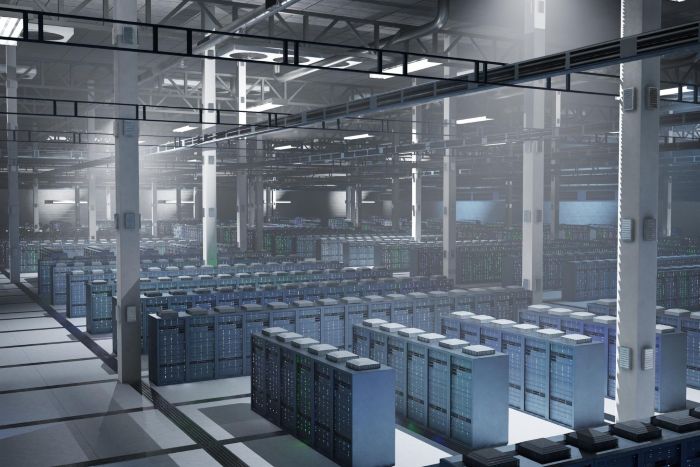
Thermal runaway and voltage spikes are still important concerns especially when it comes to dense battery environments. Continuous awareness enables an early identification of abnormal heat increase or stress loads.
This allows the usage patterns to be adjusted or the section isolated in case the early intervention teams are triggered by the alerts. This reduces risks while not affecting the entire system.
Performance: Consistency across Applications
Remains important, especially in areas like public transport, telecom installations, storage of renewable power, etc., as uneven production may create maintenance hurdles.
It also shows how the monitoring logic for a battery can support predictable performance through an output and demand synchronization.
Data Driven Decisions in Energy Storage Planning
Battery data can provide additional information beyond simple performance. Long-term patterns can provide information on the aging process. It can also assist the regulator to understand storage for various climates.
Supporting Smarter Maintenance Cycles
Scheduled maintenance based solely on time scheduling often does not account for system needs.
This shift reduces unnecessary downtime and prevents late interventions. Teams act based on evidence rather than assumptions.
Aligning Storage With Renewable Sources
Renewable energy introduces variable input patterns. Storage system designs need to respond to fluctuating charge cycles related to weather.
The logic for monitoring helps in alignment with storage and output. The alignment aids in stability without overstraining devices.
Design Considerations for Large Scale Deployment
Deploying battery oversight at scale requires careful system design. Communication reliability sensor accuracy and response logic must work together.
Designers often emphasize modular approaches. This allows systems to grow without losing clarity or control.
Interoperability
Energy systems typically don’t function alone. Storage units interact with inverters controllers and grid interfaces.
Interoperable monitoring frameworks support smoother integration. They allow data sharing without forcing uniform hardware choices.
Training and Operational Readiness
Technology alone does not ensure reliability. Teams should know how to read signals received from the system and how to make appropriate responses to them
Clear data visualizations on the dashboard along with well-structured data alerts can assist in faster decision-making. Training programs can be offered that help users understand how to deploy battery oversight at scale.
The Broader Impact on Energy Confidence
A reliable storage system provides confidence to its sectors/users. Industries depend on stable power during peak operations.
Battery oversight plays a quiet role in this confidence. It supports trust by reducing uncertainty and improving predictability.
Economic and Environmental Implications
Stable storage helps minimize wastage and replacement costs. Stable storage helps minimize wastage and replacement costs.
Safe development and operations limits can also have a positive environmental impact. Longer lifecycles reduce material demand and disposal challenges.
Preparing for Future Energy Models
As energy systems become more distributed storage oversight will gain importance. Microgrids, community energy projects and hybrid systems all depend on visibility.
Clear monitoring frameworks support experimentation without risking stability.
Editorial View on Energy Storage Intelligent Monitoring
Battery systems rarely draw attention until they fail. There can be changes to the dynamic of intelligent monitoring through the application of these methodologies as they make behaviors more visible to markets like India, which have diverse conditions.
Now is therefore a good time for engineers to emphasize intelligent battery management as a basis for securing a sound energy system.