
Financial services are undergoing a visible shift as consumers seek faster, simpler ways to manage money. Traditional banking still plays a major role, but many everyday transactions now happen outside physical branches. Digital wallets are at the center of a bankless future, reshaping how people store, send, and receive funds.
As mobile technology becomes more integrated into daily life, digital wallets offer convenience and control without relying on conventional banking structures. This evolution points toward a future where financial access is defined more by connectivity than by brick-and-mortar institutions.
Table of contents
- How Digital Wallets Are Changing Money Management
- Accessibility Without Traditional Banking
- Speed and Convenience in Everyday Transactions
- The Growing Role of Mobile-First Finance
- Impact on Small Businesses and Entrepreneurs
- Ongoing Hurdles and Considerations for a Bankless Future
- Innovation Beyond Traditional Financial Models
- Shaping a New Financial Landscape
How Digital Wallets Are Changing Money Management
Digital wallets combine payment tools, account access, and transaction tracking into a single interface. Users can manage balances, transfer funds, and make purchases without interacting with a bank branch. This simplicity appeals to consumers who value speed and transparency. With fewer steps involved, money moves more freely and fits better into modern digital lifestyles with a bankless future.
Digital wallets also reduce dependency on traditional systems by allowing peer-to-peer payments and direct merchant transactions. These features make them practical alternatives for daily financial activity.
Digital wallets give users direct control over their money. Balances, transfers, and spending data are visible in real time. This level of transparency helps users stay aware of their finances in real time, making it easier to adjust spending habits and respond to changes without waiting on statements or approvals. Wallet-based systems also allow customization, letting users choose how they manage notifications, limits, and connected services.
Accessibility Without Traditional Banking
One of the strongest advantages of digital wallets is their accessibility. Many people can open and use a wallet with minimal requirements, often without long approval processes. This lowers barriers for individuals who may not meet traditional banking criteria. Freelancers, small business owners, and international users often benefit from this flexibility.
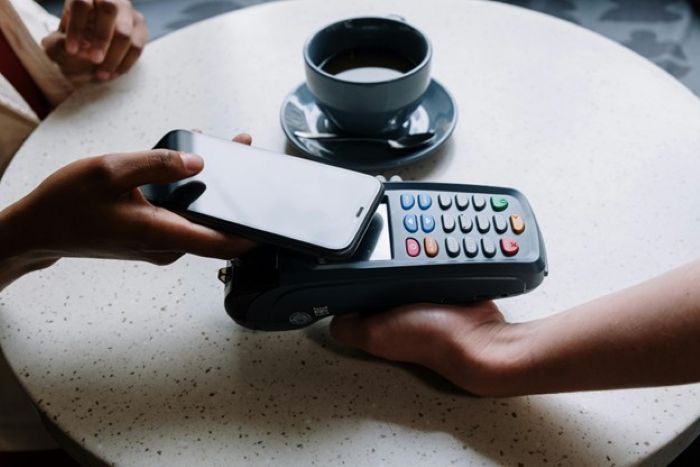
Key accessibility benefits include:
- Easy account setup using mobile devices,
- Reduced paperwork and verification steps,
- Availability across regions and platforms.
By widening access, digital wallets help create a more inclusive financial environment.
Speed and Convenience in Everyday Transactions
Digital wallets are designed for immediacy. Payments can be sent or received in seconds, removing delays associated with traditional transfers. This speed aligns with modern commerce, where instant confirmation and fast settlement are standard expectations rather than added conveniences. Whether paying a bill or splitting a dinner cost, transactions feel seamless.
Convenience also comes from integration. Wallets often connect with apps, online stores, and service platforms, reducing the need to enter payment details repeatedly. Sending money between individuals has become one of the most popular uses of digital wallets. Peer-to-peer payments eliminate the need for checks or cash exchanges.
In everyday situations like splitting dinner checks, covering shared expenses, or settling shared costs, digital wallets streamline the process. Instead of handling cash or waiting on bank transfers, users can receive funds instantly, making it easy to get money off Venmo from a friend or family member without delays, extra steps, or unnecessary friction.
The Growing Role of Mobile-First Finance
Digital wallets thrive in a mobile-first environment. Smartphones act as personal financial hubs, allowing users to manage funds anywhere. This shift aligns with broader trends in remote work and digital commerce. A bankless future with financial tools that travel with users fit better into flexible lifestyles.
Mobile-focused finance also supports real-time notifications, spending insights, and quick decision-making, helping users stay aware of their financial activity. Consumers enjoy smoother experiences without carrying physical cash or cards. This convenience supports higher transaction frequency and easier spending management.
As more businesses adopt cashless payment options, digital wallets become increasingly relevant. Retailers and service providers benefit from faster checkout and reduced handling costs. Cashless commerce also encourages innovation in loyalty programs and personalized offers, often delivered directly through wallet apps.
Impact on Small Businesses and Entrepreneurs
Digital wallets offer practical advantages for small businesses. They simplify payment acceptance without requiring complex hardware or long setup times.
Entrepreneurs can receive payments, track sales, and manage cash flow from a single platform. This efficiency supports growth and operational focus.
Benefits for small businesses include:
- Lower entry costs for accepting payments,
- Faster access to received funds,
- Simplified transaction records.
These features help level the playing field for smaller operations competing in digital markets.
Ongoing Hurdles and Considerations for a Bankless Future
Despite their advantages, digital wallets face challenges. Regulatory environments vary by region, and users may encounter limitations depending on location.
Adoption also depends on education and trust. Some consumers remain cautious about moving away from traditional banking systems. Addressing these concerns requires clear communication, consistent performance, and ongoing improvements in usability and security.
Innovation Beyond Traditional Financial Models
Digital wallets represent more than a new payment method. They signal a broader shift in how financial services are designed and delivered. By focusing on user experience and flexibility, wallet providers challenge traditional assumptions about money management. Innovation comes from responding directly to consumer needs.
This approach encourages continuous evolution, keeping financial tools aligned with changing lifestyles and technologies. As adoption grows, wallets may become primary financial tools rather than supplementary ones. Their role will expand alongside digital commerce and global connectivity. Success in this space depends on reliability, accessibility, and the ability to adapt as user expectations evolve.
Shaping a New Financial Landscape
Digital wallets are redefining how people interact with money by prioritizing convenience, speed, and control. In a bankless future, these tools provide practical alternatives that fit modern digital life.
As technology continues to influence financial behavior, digital wallets will play a central role in shaping inclusive and flexible systems. Their impact lies not in replacing institutions overnight, but in offering users meaningful choices in how they manage and move their money.