
Player versus Player combat in World of Warcraft: Midnight has been redesigned to broaden appeal, introduce fresh competition, and make learning PvP more approachable. Unlike previous expansions, Midnight emphasizes sustained combat, strategic decision-making, and accessible systems for players new to PvP, while still offering depth for competitive veterans.
This guide breaks down everything to know about PvP in Midnight, including new battlegrounds, practice tools, combat system changes, world PvP, and the current meta direction.
Players who want to optimize their progression can explore a wide range of WoW boosting services tailored to both PvP and PvE content.
Key Features of PvP in Midnight
40v40 Battleground: Slayer’s Rise
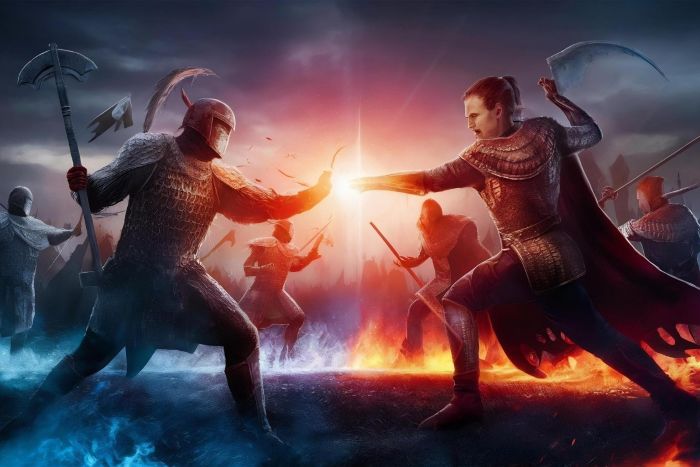
The headline feature in Midnight PvP is the Slayer’s Rise battleground. This is a large-scale PvP environment set in the Voidstorm where two teams of 40 players fight across lanes and objectives. Inspired by classic large battlegrounds, Slayer’s Rise combines structured battleground mechanics with strategic control points and NPC objectives that influence the flow of battle.
Players start on opposite sides of the map, fight for control of key points, and push toward the enemy’s base. Teams can recruit neutral NPC forces to support their efforts and must balance defense, offense, and objective control to secure victory.
World PvP and Open-World Combat
Midnight also expands open-world PvP with dedicated conflict zones in Voidstorm. These outdoor PvP areas offer rotating world quests and PvP objectives that encourage spontaneous player encounters. Players who activate War Mode can earn enhanced rewards by engaging in open-world battles and completing objectives in contested territory.
The addition of this outdoor PvP content aims to encourage PvP outside of structured queues and battlegrounds.
PvP Practice System: Training Grounds
For those new to PvP or looking to sharpen skills, Midnight introduces Training Grounds. This mode allows players to compete against intelligent NPC teams in familiar battleground maps such as Arathi Basin, Silvershard Mines, and Battle for Gilneas.
Training Grounds is designed to help players learn battleground objectives, coordination, and role management without the pressure of ranked queues. Opponents are more challenging than the old Comp Stomp event, offering a learning environment that still rewards skill and teamwork.
Combat System Changes
Midnight brings a number of adjustments to the core PvP combat systems that affect crowd control, tempo, addons, and overall engagement strategy.
Crowd Control and Diminishing Returns
The diminishing returns (DR) system has changed significantly. Players now become fully immune to repeated crowd control effects from the same category after two applications, rather than three. This reduces the frustration of extended chains and creates clearer windows for counterplay and escape.
The DR reset timer has also been reduced slightly, which affects pacing and recovery after control effects.
Slower Combat Pace
Midnight’s PvP combat feels slower and more deliberate compared with recent expansions. Health does not swing wildly from full to zero instantly, and burst damage is balanced with sustained pressure and resource management. The design shift favors consistent damage application and cooldown management over extreme burst windows.
PvP Addon Support and UI
Blizzard has reworked the PvP UI and restricted addon access to certain combat data. Traditional PvP addons that track enemy cooldowns or provide advanced combat overlays may no longer function as they did before.
Instead, the game’s native interface now includes built-in tools such as a cooldown manager, improved arena frames, standardized diminishing return icons, and a built-in damage meter. These additions aim to reduce reliance on third-party addons and streamline the experience for all players.
How PvP Modes Work
World of Warcraft: Midnight retains familiar formats while adjusting pacing and balance.
Arena
Standard 2v2 and 3v3 arenas remain a core competitive format. Matches are typically longer and focus on strategic cooldown usage, positioning, and managing sustained pressure rather than quick burst kills.
Rated Battlegrounds
Rated battleground modes allow organized teams to earn seasonal rewards and progress their PvP gear. Objective control, team coordination, and tactical play are key to success in structured rated battlegrounds.
Solo and Unrated Options
Solo queue options such as Solo Shuffle give players a way to jump into rated 3v3 play without a premade team. Unrated battlegrounds let players enjoy objective PvP without impacts on rankings or rewards.
If you are looking to push rating efficiently in 2v2 3v3, or even Solo Shuffle, working with experienced Rank 1 players can significantly reduce the time investment. Many players choose professional WoW Arena boosting services to secure seasonal rewards, titles, and elite gear without grinding hundreds of matches.
Preparing for PvP in Midnight
With the Midnight pre-patch live, players can begin adjusting to new combat rhythms, diminishing return rules, and PvP systems ahead of the expansion launch. Community testers have noted that while the pacing feels slower, decision-making and positional play have become more meaningful.
Training Grounds provide an excellent environment for players unfamiliar with PvP to get hands-on experience with battleground objectives, class roles, and team coordination without pressure.
Conclusion
World of Warcraft: Midnight introduces a refreshed approach to PvP focused on accessibility, strategy, and meaningful combat. The addition of large-scale battlegrounds like Slayer’s Rise, expanded open-world PvP, practical training tools, and substantial combat system changes redefine how players interact in PvP.
Whether competing in arenas, coordinated team battles, or spontaneous world PvP, Midnight’s PvP systems reward thoughtful play, mastery of objectives, and disciplined team coordination.