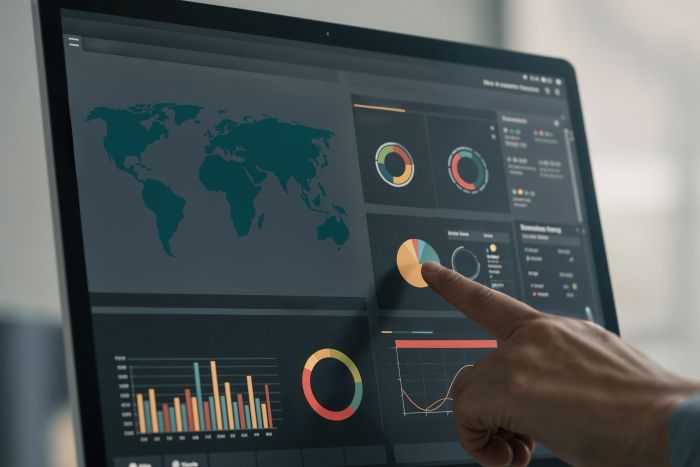
Social media platforms have quietly turned into something closer to digital infrastructure than simple communication channels. Billions of interactions happen across these platforms every day, likes, comments, shares, views, each one a small data point that adds up to a much larger picture of how people actually behave online. For a long time, most users never thought much about that picture. Now, as social media analytics tools become more visible, understanding those interactions has turned into its own kind of digital awareness, something professionals, businesses, and ordinary users are starting to pay closer attention to.
Key Takeaways
- Social media platforms have evolved into data-driven ecosystems, analyzing user engagement to shape content strategies.
- Users increasingly recognize their online presence as a public reputation, prompting them to manage their digital identities.
- A variety of tools help users understand their social media interactions, each serving different purposes around user engagement tracking.
- Balancing data awareness and digital privacy presents ethical challenges in monitoring online behavior.
- The future of social media analytics will focus on explaining user behavior and insights, enhancing digital literacy for all users.
Table of contents
The Transformation of Social Media Analytics Platforms
A decade ago, a social platform succeeded mainly by getting people to show up and post. That’s still true, but it’s no longer the whole story. Engagement itself became a measurable, optimizable thing, tracked at a granular level, with user engagement turning into its own kind of currency. Instagram social media analytics panels now surface much of that information directly to ordinary account holders, not just marketing teams with a dashboard budget.
That shift turned social platforms into genuinely data driven ecosystems. Companies study audience behavior to decide what content performs and why. Individual users, meanwhile, have started asking similar questions about their own accounts, tracking social media trends in what gets attention and what quietly gets ignored.
Why Users Are Becoming More Aware of Their Online Presence
Part of this comes from a broader shift in how people think about digital identity. An Instagram profile, a set of Instagram followers, a history of comments and shares, all of it adds up to something that increasingly resembles a public reputation rather than a private hobby.
That realization tends to reshape Instagram user behavior, not just posting habits in general. People start paying attention to who their connections actually are, not just how many they have. Online reputation becomes something worth managing rather than something that simply accumulates in the background. It’s closer to the same instinct that makes someone glance in a mirror before walking into a meeting, a basic check on how things look from the outside.
The Role of Tools in Understanding Social Media Analytics and Interactions
As that interest grew, a small ecosystem of social media tools grew alongside it. Some are built directly into the platforms themselves, basic social media analytics panels showing reach or engagement over time. Others exist as third party services, ranging from straightforward follower trackers to more specialized tools like an Instagram Viewer, built around one specific slice of visibility data.
Not all of these tools raise the same questions. A tool that helps someone understand their own audience is a fairly different proposition from one built mainly to observe someone else’s online interactions without their knowledge, and that distinction matters more than the marketing around any individual tool usually admits. What connects the whole category is a simple underlying demand, an appetite for real online behavior analysis rather than guessing from the outside.
Balancing Data Awareness and Digital Privacy
Awareness cuts both ways, though. The same curiosity that makes someone want to understand their own digital footprint can just as easily turn into monitoring other people more closely than those people would agree to if asked. That tension sits at the center of most conversations about privacy in social media right now.
Ethical technology, in this context, mostly comes down to a simple standard, whether a tool respects the same boundaries a reasonable person would respect without it. Responsible digital behavior follows a similar logic. Checking your own engagement numbers is a very different act from tracking someone else’s activity in ways they never agreed to.
The Future of Social Media Analytics and User Experience
Artificial intelligence is already pushing social platform analytics further than simple counts of likes and follows. Predictive models now attempt to estimate what content a given user will respond to before they’ve even seen it, feeding directly into how feeds get personalized in real time.
For everyday users, that likely means social media analytics tools that explain behavior rather than just measuring it, systems that can say something closer to why an audience is shifting rather than just reporting that it happened. The broader digital ecosystems these platforms sit inside will keep evolving around that same basic tension, more data, more insight, and a continuing need to decide where the boundaries around all of it should sit.
Conclusion
Social platforms keep evolving from simple communication channels into something closer to full digital ecosystems, and that shift shows no sign of slowing down. Understanding user behavior, digital identity, and the privacy questions that come with both is becoming a basic part of digital literacy rather than a specialized concern. None of this means treating every interaction as data to be mined. It means recognizing that online connections now carry real weight, and that paying attention to how they work is worth doing on purpose rather than by accident.