Management has changed drastically over the last 10 years. What was once reliant on manual oversight, intuition-driven calls, and traditional leadership models is now driven by technological advancements, instantaneous feedback loops, and automation. Leaders today are working in complex environments, with hybrid teams, changing employee expectations, and operational stress. Innovative management is not optional; it is vital for organizational success.
Table of contents
From Traditional Management to Intelligent Systems
In conventional surveillance methods, supervision is conducted manually, with reports and face-to-face contact. These methods work well in predictable environments but fall short in today’s fast-paced business. We now live in digital-first worlds where companies operate. Structure and speed are everything. Innovative management tools give managers the vision, structure, and data-driven insights they need to steer their teams effectively.
The move was motivated by the mandate for clarity, accountability , and efficiency. No more searching through multiple spreadsheets or painful email threads. Now, standup managers can manage tasks, track progress, and store information in one place. By centralizing the results of this workflow, it is possible to move faster, make fewer mistakes, and make all decisions based on accurate information.
How Intelligent Tools Strengthen Teams
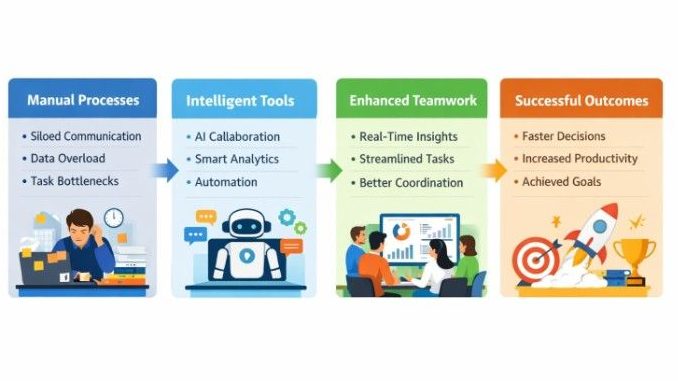
Streamlining Operations and Automating Tasks
Automation for repetitive tasks. This is probably the most significant benefit of intelligent management. Managers once labored for hours monitoring attendance, chasing up overdue tasks, compiling reports, and tracking performance. These tasks can be managed automatically, freeing the manager to focus on strategy, coaching, and team building.
For HR-related functions, platforms like HRMS Globex simplify employee data management, payroll processing, and attendance tracking. By reducing manual intervention, these systems improve efficiency and allow teams to focus on high-value work.
Enhancing Communication and Collaboration
Your collaboration and communication, especially in contemporary teams and remote or hybrid workplaces, should be a breeze. At the next layer of the stack, new management platforms integrate messaging across shared dashboards and digital workspaces to keep everyone in sync. All team members can use a secure app to work in real time, so they always know which item is most important, no matter where they are.
This connected workflow reduces miscommunication and helps embed that team chemistry within and among teams.
Data-Driven Decision Making
Successful management is not about guessing; it’s about knowing. Smart sensors collect data on employee productivity, workload distribution, project flow, and even workflow patterns. Managers can spot bottlenecks early, redistribute resources, and make decisions based on actionable insights that will benefit the interests of the organisation.”
Predictive analytics can help leaders get ready for what’s to come. This tactic enables departments to remain productive and adaptable in the event of a sudden shift.
Increasing Transparency and Accountability
Transparent systems foster accountability. All your students have to do is mark tasks as complete, and everything else (task status, project updates, and attendance) gets logged automatically. Staff can track and validate their performance, what is expected of them, and how to meet those expectations independently. This clarity provides more consistent team engagement and less confusion, allowing teams to function more evenly toward common objectives.
Supporting Agility and Adaptability
The business climate today is highly volatile, making it difficult to predict market trends or even anticipate internal operational needs. Intelligent control systems allow organizations to rapidly adjust workloads, re-prioritize tasks, and redistribute resources efficiently. Platforms like Technew frequently explore these solutions, providing in-depth technology-driven business insights that help companies enhance agility, optimize performance, and stay competitive in an ever-changing market landscape.
Technologies Driving Intelligent Management
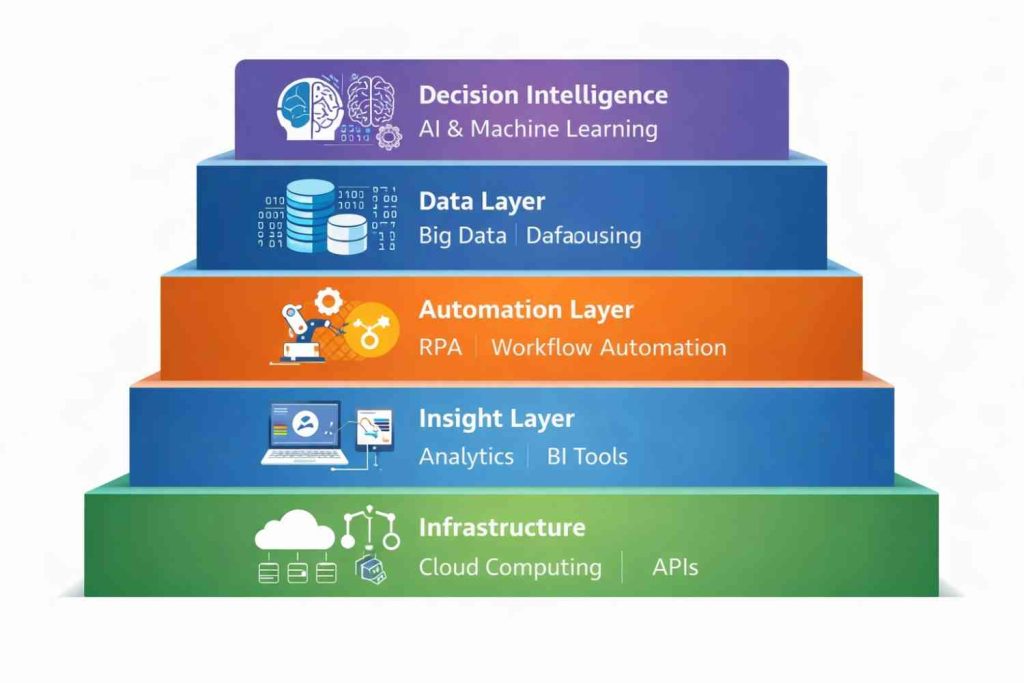
Several technological developments have driven the development of contemporary management:
- AI: AI uses workflow data to make predictions and automate repetitive tasks.
- Cloud Services: Using a cloud service allows you to access your information remotely, facilitating workplace collaboration.
- PredictiveAnalytics: Enables managers to predict future needs and avoid potential problems.
- Workflow Automation: Minimizes manual work, allowing teams to focus on strategic projects.
- Consolidated HR and Workforce Solutions: Integrating HR, payroll, and team management systems into one platform reduces waste. These technologies collectively support intelligent management and enable teams to operate more efficiently, transparently, and productively.
The Impact on Teams and Organizational Success
Companies that embrace innovative governance are more productive, cooperative, and effective. With clear expectations and tracking, employees are more engaged. Managers can focus on being leaders rather than on clerical tasks and on designing a better strategy and assembling a team. Operational costs decrease when failures and errors are reduced, while teams stay aligned and resilient.
Smart oversight can also create a culture of continually striving to do better. With structured processes, transparent reporting, and actionable insights, their teams are ready to innovate, adjust, and deliver on the organisation’s broader objectives.
Conclusion: Intelligent Management Is Key
What was once conventional management is becoming and has become, in the most innovative companies, thoughtful leadership that changes how teams operate, compete, and succeed. The transparency, automation, communication, and data intelligence this type of software offers managers also help them build teams more effectively and get stuff done. With solutions like HRMS Globex, you can use technology to take managers and supervisors out of the weeds so they can lead, develop, and plan as they should!
But those who embrace innovative management now can boost productivity, team alignment, and operational improvements. The secret of effective leadership in the 21st century is the deployment of creative, practical tools for both leaders and line workers.