Employees who live with disabilities or ongoing health conditions rely on workplace protections to maintain financial stability and personal well-being. In Arizona, these protections include the Family and Medical Leave Act and state and federal disability discrimination laws. Although the rules themselves do not change often, the way employers manage compliance has shifted dramatically because of technology. Digital HR platforms, electronic medical documentation systems, workplace monitoring tools, and automated decision-making software all play a role in how leave requests are evaluated and how discrimination issues are documented.
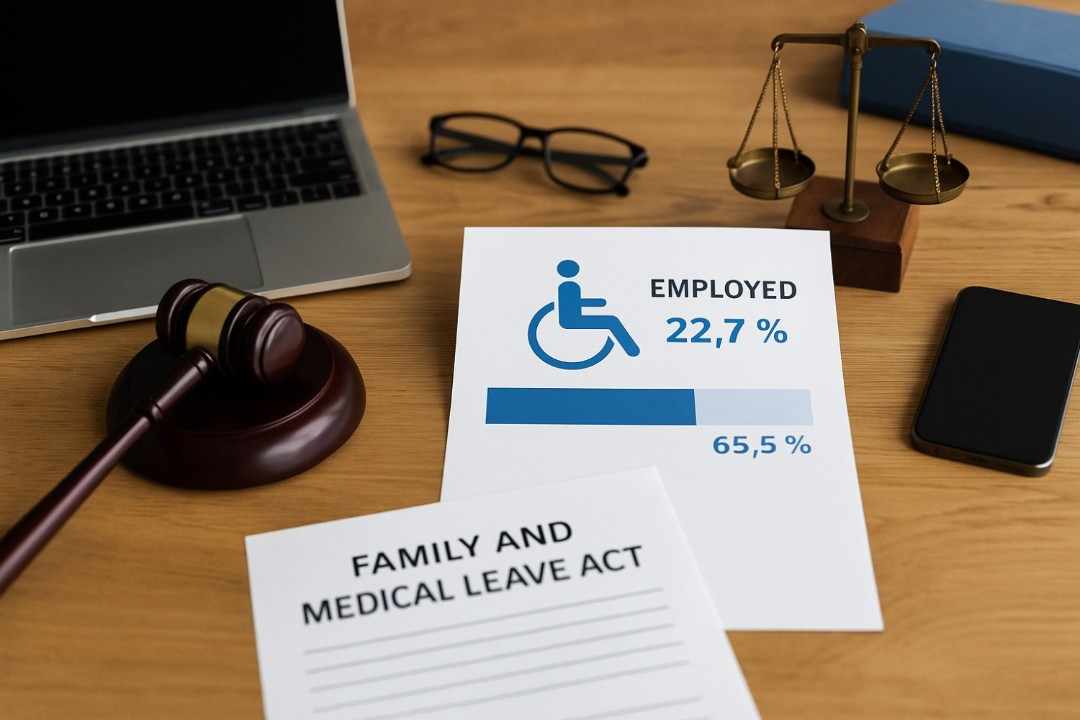
This makes legal guidance even more essential because technology influences both the evidence used in disputes and the potential for errors. This need is even clearer when you consider that only about 22.7% of people with a disability are employed, compared with 65.5% of those without a disability, a gap that highlights how critical strong workplace protections are for fair access to employment.
Table of Contents
- Your Rights Under The Family And Medical Leave Act In A Digital Workplace
- Disability Discrimination Protections In Arizona And The Role Of Technology
- How An Arizona Employment Lawyer Supports You Through Tech-Based Processes?
- When Litigation Becomes Necessary In The Digital Age
- The Importance Of Early Legal Guidance
- Conclusion
Your Rights Under The Family And Medical Leave Act In A Digital Workplace
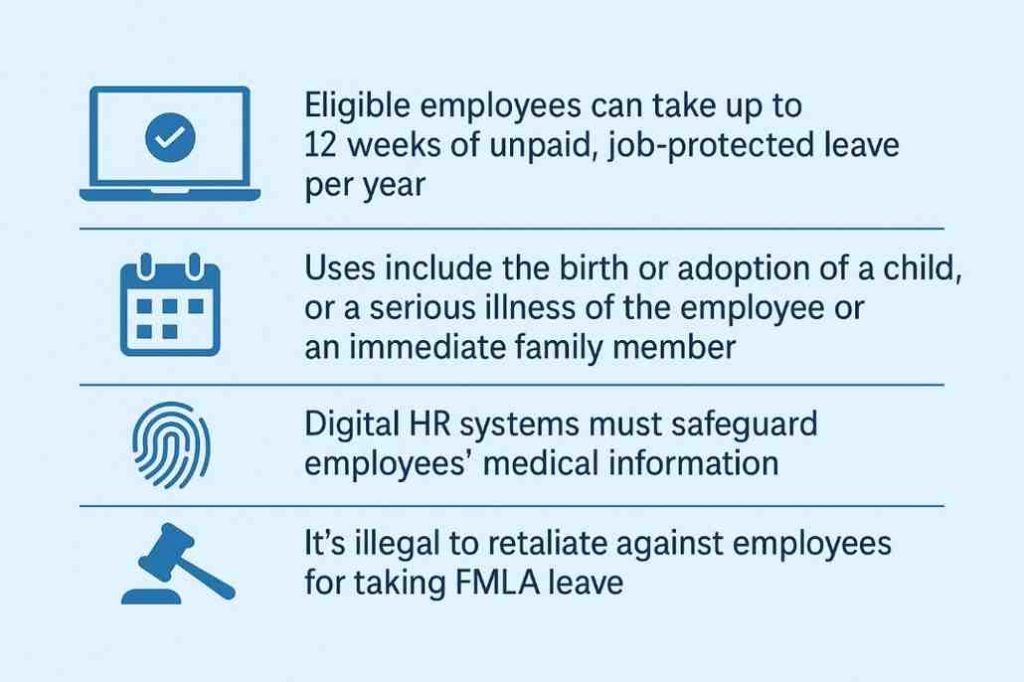
The Family and Medical Leave Act is a federal law that provides eligible employees with up to 12 weeks of unpaid, job-protected leave each year. This leave may be used for severe health conditions, caring for family members, or welcoming a new child. While the law is straightforward, many Arizona employers rely on digital HR systems that automatically track attendance, flag missed workdays, or schedule leave approvals. These systems can create problems when software errors accidentally deny an employee’s FMLA rights or when automated tools misinterpret medical leave as performance issues.
A law firm here can help you understand whether you qualify for FMLA protections and how to submit appropriate digital medical documentation. They can also assist if an employer disputes your request, claims your medical certification is incomplete, or uses automated HR tools in a way that unfairly interferes with your leave rights. Technology can make FMLA management more efficient, but it can also introduce mistakes. Legal support ensures that digital decisions do not override federal protections.
Disability Discrimination Protections In Arizona And The Role Of Technology
Employees with physical or mental disabilities are protected under both federal and state laws. Employers cannot mistreat you because of a disability and must offer reasonable accommodations unless doing so creates significant difficulty for the business. Today, many workplaces use online scheduling systems, digital communication tools, and performance tracking software that influence how employees are evaluated. For some workers, these systems unintentionally create added barriers.
An Arizona employment lawyer can review how technology was used in your workplace and determine whether the tools created discriminatory outcomes. For example, an automated scheduling platform might prevent flexible hours that your medical condition requires. A productivity tracking app might misjudge your performance because it cannot account for your accommodation needs. A lawyer can help you gather digital evidence, request copies of electronic records, and determine whether the employer failed to comply with disability laws.
How An Arizona Employment Lawyer Supports You Through Tech-Based Processes?
Hiring a lawyer gives you the advantage of professional insight into both legal requirements and the technology your employer uses to manage compliance. Attorneys understand where errors commonly occur, such as inaccurate time stamps, incomplete electronic personnel files, or automated rejection of leave requests. They also know how to secure digital evidence, which is essential for proving that handicap discrimination or retaliation occurred.
Your lawyer can help you file internal complaints through HR portals, obtain copies of digital logs, document communication through messaging platforms, or interview coworkers who witnessed incidents. Their organized and systematic approach helps ensure your case remains strong even when it relies heavily on electronic data.
Attorneys also help resolve misunderstandings that arise when employers rely on software instead of human judgment. Many disputes occur because digital systems misinterpret medical information, automatically deny accommodations, or enforce rigid policies. With a lawyer guiding the discussion, employers often take the situation more seriously and are more willing to negotiate adjustments or correct errors before it escalates.
When Litigation Becomes Necessary In The Digital Age
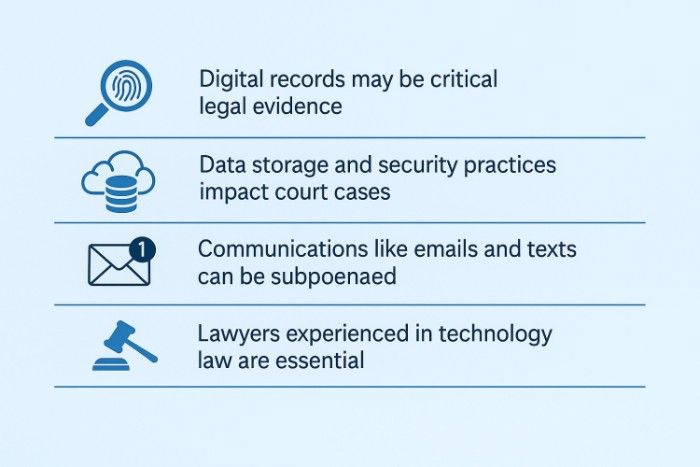
If an employer continues to deny legally required accommodations or interferes with your FMLA rights, litigation may be necessary. In Arizona, this process may involve filing with the Equal Employment Opportunity Commission or taking the matter to court. Digital evidence becomes essential in these cases. A lawyer can collect electronic time sheets, email records, software usage logs, and documentation from HR systems to demonstrate what happened.
They prepare your case, speak with witnesses, and represent you at hearings. Their goal is to restore fairness, hold employers accountable, and seek compensation when laws have been violated.
The Importance Of Early Legal Guidance
Because much of today’s workplace communication and recordkeeping happens online, early legal advice helps preserve essential digital evidence. A lawyer can ensure that documents are saved correctly, that communication is logged, and that no important information is lost within automated systems. They also help you avoid missteps, such as submitting incomplete digital forms or missing deadlines within online portals.
Legal guidance gives you confidence and clarity. It also helps you communicate more effectively with your employer while protecting both your job and your health.
Conclusion
Protecting your rights under the Family and Medical Leave Act and disability discrimination laws is essential for maintaining both stability and dignity at work. Technology plays a major role in modern HR management, but it also increases the chance of errors, misunderstandings, or automated decisions that fail to reflect the law. An Arizona employment lawyer helps you navigate these challenges with expertise, ensuring your rights remain protected and your employer follows the rules. With professional guidance, you gain the tools, clarity, and confidence needed to address issues quickly and effectively.