
Hosted bitcoin mining has changed more in the past 3 years than in the previous decade. What was once an experimental, at-home activity is now an industrial process shaped by energy markets, large-scale operators, and growing competition for infrastructure.
That shift has changed how miners evaluate risk.
In earlier cycles, the biggest question was simple: Can this machine generate enough Bitcoin to justify its cost?
In 2026, the more important question is different: Can the infrastructure supporting that machine deliver consistent uptime, transparency, and operational reliability over time, especially as the network approaches the 2028 halving?
This article takes a structured look at Compass Mining, one of the earliest hosted Bitcoin mining providers with a long operational track record, through that lens, focusing on the real risks and tradeoffs involved in hosted Bitcoin mining today.
Table of contents
- How Bitcoin Mining Risk Has Evolved
- The Core Risks of Hosted Bitcoin Mining
- Where Compass Mining Fits in 2026
- Addressing the Industry’s Historical Weak Points
- The Role of Scale in Reducing Risk
- What Bitcoin Mining Actually Provides in 2026
- Comparing Models: Ownership vs Indirect Exposure
- Who This Model Is Best Suited For
- Final Thoughts
- Frequently Asked Questions
How Bitcoin Mining Risk Has Evolved
Bitcoin mining has always involved uncertainty. The variables have not changed, but their relative importance has.
At a basic level, mining outcomes depend on three external factors: Bitcoin price, network difficulty, and energy costs. These remain outside the control of most small- to mid-sized operators that are not securing their own power purchase agreements (PPAs).
What has changed is the growing importance of operational execution.
In earlier years, many miners underestimated risks tied to infrastructure. Machines were shipped to facilities with limited visibility, inconsistent uptime, and slow support response. When issues occurred, users often had little insight into what was happening or how long recovery would take.
Today, those operational risks are often more significant than hardware specifications alone.
[READ MORE: The 10 Best Bitcoin Miners Compared and Reviewed]
The Core Risks of Hosted Bitcoin Mining
Before evaluating any provider, it is important to understand the primary risks that apply to all hosted mining models.
Market Risk
Bitcoin price and network difficulty directly influence mining output. As more machines join the network, each individual miner earns a smaller share of block rewards over time.
This means mining output typically declines on a per-machine basis, even as hardware improves.
Infrastructure Risk
Hosted mining introduces dependency on third-party facilities. If a site experiences outages, power curtailment, or maintenance delays, the machine stops hashing.
Downtime directly impacts the consistency of daily BTC rewards.
Counterparty Risk
Not all hosting providers operate with the same level of transparency, operational scale, or maturity. In earlier market cycles, some operators failed to communicate performance issues or maintain consistent service levels.
This created a “black box” environment where users had limited visibility into their own hardware.
Execution Risk
Even when infrastructure is stable, slow support response or inefficient repair processes can extend downtime. A Bitcoin mining machine that is offline for days due to a simple repair issue can materially affect performance over time.
[READ MORE: Bitcoin Mining Monthly Report February 2026]
Where Compass Mining Fits in 2026
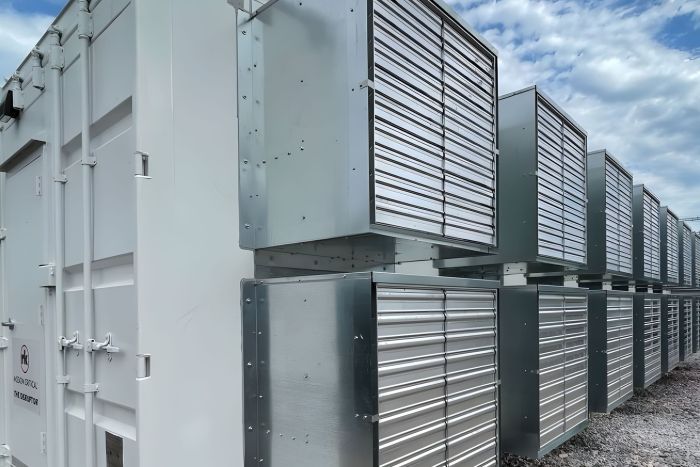
Compass Mining, founded in 2020, manages approximately 160 MW of infrastructure for retail and institutional customers across roughly a dozen sites in the United States. The company operates under a managed infrastructure, or operations-as-a-service, model.
Instead of requiring users to source mining hardware, secure power contracts, and operate facilities independently, the platform integrates these steps into a single, turnkey service.
This model is designed to reduce operational complexity, but it also shifts the evaluation criteria. The focus becomes less about setup and more about ongoing performance.
Addressing the Industry’s Historical Weak Points
Much of the skepticism around hosted mining comes from issues seen in earlier cycles. These included logistical challenges, infrastructure instability, delayed support, unclear communication, and inconsistent performance.
The current Compass Mining model is designed to address those concerns directly.
Transparency Through Weekly Uptime Data
One of the most notable changes is the introduction of publicly available uptime reporting by Compass Mining.
Rather than relying on periodic updates or support tickets, users can view site-level performance data on a weekly basis. This structure reduces uncertainty and allows miners to evaluate operational consistency over time.
This approach reflects a broader industry shift toward measurable performance rather than marketing claims.
Defined Performance Expectations
Compass Mining operates with a 95% uptime guarantee at the site level, with hosting credits issued if performance falls below that threshold. This creates a baseline expectation for operational performance and introduces accountability into the hosting model.
While no facility can eliminate downtime entirely, clearly defined thresholds help standardize what users should expect.
Faster Support Response
Support speed has historically been one of the largest pain points in hosted mining. Delays in diagnosing or resolving issues can extend downtime significantly, reducing overall output.
In 2026, support response times at Compass Mining have improved materially, with an average first response time of approximately 6 minutes and average ticket resolution times of around 20 minutes. This reduces the duration of disruptions and improves overall operational continuity.
The Role of Scale in Reducing Risk
Scale plays a critical role in modern Bitcoin mining.
Large operators are able to secure more stable energy contracts, diversify across multiple power grids, and maintain dedicated on-site technical teams. These factors contribute to more consistent uptime and faster issue resolution.
Compass Mining manages over 160 MW of infrastructure across multiple regions, which allows for geographic diversification and reduces exposure to localized disruptions.
For individual miners, replicating this level of infrastructure independently is typically not feasible.
What Bitcoin Mining Actually Provides in 2026
It is important to set realistic expectations about what Bitcoin mining delivers in 2026.
Mining does not eliminate exposure to market conditions. It does not guarantee outcomes. Instead, it provides a method of acquiring Bitcoin through infrastructure rather than direct market purchases.
The key difference is that mining converts operational performance into daily BTC rewards. The consistency of those rewards depends heavily on uptime, efficiency, and execution.
This is why infrastructure quality has become the central focus for miners.
Comparing Models: Ownership vs Indirect Exposure
In 2026, there are multiple ways to gain exposure to Bitcoin. Purchasing Bitcoin directly or through ETFs offers a simple and straightforward way to hold the asset without operational involvement.
Bitcoin mining represents a different approach, centered on hardware ownership and operational execution. Instead of acquiring Bitcoin directly, participants generate daily BTC rewards through the performance of physical machines.
The hosted mining model used by Compass Mining is built around direct ownership of ASIC hardware. This means users retain control of their machines while outsourcing infrastructure and day-to-day operations.
The tradeoff is increased reliance on the provider’s infrastructure and execution. As a result, transparency, operational track record, uptime guarantees, economies of scale, and customer support become critical factors when evaluating a provider.
Public mining companies offer another alternative through equity exposure, but they do not provide direct ownership of hardware. In addition, as some public miners expand into AI and high-performance computing, their exposure to Bitcoin mining may become less direct over time.
Who This Model Is Best Suited For
Hosted mining is not designed for every type of participant.
It is most relevant for individuals or institutions who want exposure to Bitcoin mining operations without building and managing infrastructure independently.
This includes:
- Users without access to low-cost electricity
- Participants who prefer managed operations over self-hosting
- Those seeking direct ownership of mining hardware rather than indirect exposure
At the same time, it requires an understanding of how mining works and the variables that affect performance.
Final Thoughts
Bitcoin mining in 2026 is no longer defined by hardware alone. The quality of infrastructure, transparency of operations, and speed of execution now play a larger role in determining outcomes.
The risk profile has shifted accordingly.
Compass Mining represents a model that attempts to reduce operational uncertainty through scale, visibility, and structured performance standards. While it does not remove the external variables that affect mining, it addresses many of the internal challenges that historically made hosted mining difficult to evaluate.
For miners assessing whether to enter the space, the key question is no longer just about machines.
It is about the system those machines operate within.
Frequently Asked Questions
What is hosted Bitcoin mining?
Hosted Bitcoin mining allows individuals to own mining hardware while outsourcing infrastructure, electricity, and maintenance to a third-party provider.
What are the main risks of hosted mining?
The primary risks include Bitcoin price volatility, increasing network difficulty, infrastructure downtime, and reliance on the hosting provider’s performance and transparency.
How does uptime affect Bitcoin mining performance?
Uptime directly impacts how consistently a mining machine produces daily BTC rewards. Extended downtime reduces total output over time.
What makes a mining provider reliable?
Key factors include transparent reporting, uptime guarantees, operational track record, responsive support, and access to stable, low-cost energy.
Is mining better than buying Bitcoin directly?
Mining and direct ownership serve different purposes. Mining involves operational execution and infrastructure with certain benefits, while buying Bitcoin provides immediate exposure without ongoing management. Mining allows participants to own physical hardware and generate daily BTC rewards, which can be appealing for those seeking a more hands-on approach.