
Moving a vehicle across the country can feel stressful when schedules, carrier timing, and delivery windows all collide. The more moving parts involved, the easier it is for delays or miscommunication to disrupt the process. Door‑to‑door vehicle logistics has grown because people want simplicity, predictability, and less handling of their vehicles. It reduces the guesswork that comes with terminals, transfers, and shared responsibility.
Understanding how door‑to‑door transport works helps you know what to expect and how to choose the right service.
Key Takeaways
- Door-to-door vehicle logistics offers convenience by providing pickup and delivery close to your preferred locations.
- The process includes secure loading, transportation, and delivery with a clear chain of custody for accountability.
- Modern logistics relies on technology like driver apps and geofencing to minimize delays and improve communication.
- Digital documentation enhances transparency and provides proof of delivery, which protects both carriers and vehicle owners.
- Capacity planning is crucial, especially for cross-border activities, ensuring timely scheduling to avoid disruptions.
Table of contents
- Overview of Door‑to‑Door Vehicle Logistics
- End‑to‑End Orchestration and Chain of Custody
- Technology Stack: Driver Apps, Geofencing, and Tracking
- Digital Documentation and Proof of Delivery
- Risk Management, Insurance, and Regulatory Compliance
- Capacity Planning, Seasonality, and Cross‑Border Operations
- Wrapping Up
Overview of Door‑to‑Door Vehicle Logistics
Door‑to‑door logistics provides pickup and delivery as close to your preferred locations as safety and access allow. For instance, if you want to ship your motorcycle or move a personal vehicle across the country, the carrier comes to you rather than requiring a terminal drop‑off.
The typical process includes:
- Pickup at a nearby driveway or accessible location
- Secure loading by trained carrier staff
- Transport on an assigned carrier
- Delivery at the destination with confirmation
This method eliminates the confusion and delays associated with terminals, transfers, and storage facilities. A direct handoff model allows you to know exactly where your vehicle is and who is responsible at each stage.
End‑to‑End Orchestration and Chain of Custody
A door‑to‑door move requires coordination among drivers, dispatchers, and customers. Each step is documented so everyone knows who has control of the vehicle at any moment.
This clear chain of custody allows accountability for timing, inspections, and potential disputes. It also ensures your vehicle’s condition and location remain transparent throughout the trip.
When the process is structured well, it reduces uncertainty and builds trust between the transport provider and the customer. A consistent workflow makes the entire service feel organized rather than chaotic.
Technology Stack: Driver Apps, Geofencing, and Tracking
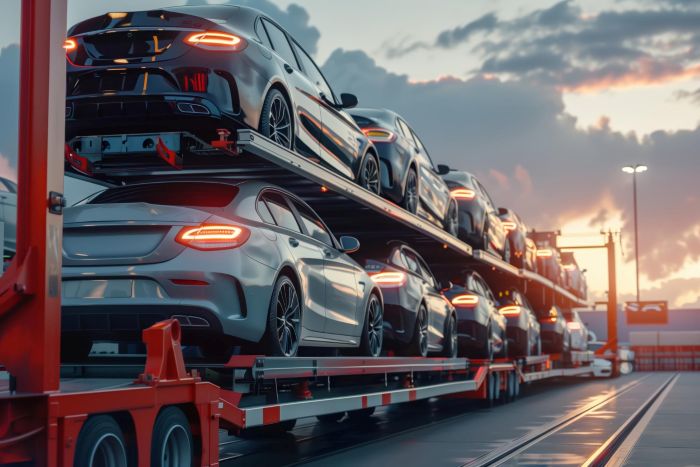
Modern door‑to‑door transport relies heavily on real‑time digital tools that keep every part of the process connected. Driver apps supply routing details, inspection checklists, communication channels, and live status updates that help prevent delays.
Geofencing adds another layer of accuracy by alerting dispatchers and customers when the vehicle enters or leaves specific zones. These alerts improve arrival estimates and reduce uncertainty about timing.
Live tracking gives customers continuous visibility into their vehicle’s location throughout the trip. Together, these technologies create a transparent, predictable experience that minimizes gaps in communication and keeps everyone aligned from start to finish.
Digital Documentation and Proof of Delivery
Most carriers now rely on digital inspection tools rather than paper forms to record a vehicle’s condition. Drivers use mobile apps to take photos, capture timestamps, and collect electronic signatures at both pickup and delivery.
This documentation provides a precise record of the vehicle’s condition, which becomes essential if questions arise later. The information is stored electronically and shared instantly, reducing delays and miscommunication.
Digital proof of delivery also helps streamline claims, protect customers from liability disputes, and ensure transparency throughout the transport process. It creates a clear, verifiable trail that benefits both the carrier and the vehicle owner.
Risk Management, Insurance, and Regulatory Compliance
Vehicle transport introduces risk, so reputable providers maintain strict insurance and compliance standards. This ensures the carrier meets federal and state requirements before taking possession of your vehicle.
Strong programs feature:
- Verified cargo insurance levels
- Driver qualification and safety records
- Maintenance logs for transport equipment
- Compliance with federal travel limits
These safeguards protect your property and help prevent transportation disputes.
Risk management also means monitoring carrier performance over time. Regular audits keep the transport process consistent and reliable.
Capacity Planning, Seasonality, and Cross‑Border Operations
Carrier availability changes by season, demand level, and weather patterns. So, you should plan ahead to avoid delays during peak months.
Cross‑border shipments require extra coordination with customs, inspections, and differing regulations. This makes early scheduling and documentation essential for avoiding unexpected slowdowns.
Customers benefit from booking transport early when demand is high. Early planning ensures more options and more predictable timelines.
Wrapping Up
Door‑to‑door vehicle logistics works best when trust, communication, and structure come together. With the right provider, the process becomes less about stress and more about predictability.
When you understand how technology, planning, and risk management shape the journey, handing off your vehicle becomes easier. The more clarity you have, the more confidence you gain in every mile ahead.