Why 2025 Is a Defining Year for Automotive Tech
2025 marks a major shift in the automotive industry because multiple innovations are finally reaching maturity at the same time. Instead of slow, gradual changes, this year feels more like a leap forward. Automakers aren’t just building better cars—they’re reshaping transportation into something smarter, cleaner, and more connected than ever before.
Key Takeaways
- 2025 represents a major shift in the automotive industry, with innovations reaching maturity and electrification becoming mainstream.
- Electric vehicles (EVs) lead the way as battery technology improves, paving the path for solid-state batteries and faster charging.
- Software-defined vehicles emerge, enabling over-the-air updates and new revenue models for automakers, transforming ownership experience.
- Advanced autonomous driving systems enhance safety and improve on-road experience through sensor fusion and V2X technology.
- Despite challenges like supply chain issues, the industry moves toward smarter, cleaner, and more connected mobility solutions.
Table of Contents
- Why 2025 Is a Defining Year for Automotive Tech
- Electrification: EVs Move from Trend to Norm
- Software-Defined Vehicles Transform the Automotive Industry
- Autonomous Driving Becomes More Capable
- Connectivity Expands with V2X Tech
- Charging Infrastructure Gets Smarter and Faster
- Cybersecurity Becomes a Critical Priority
- Sustainability Shapes Manufacturing and Materials
- In-Cabin AI Personalizes the Driving Experience
- Commercial Fleets Adopt Smart Technologies
- Challenges Holding the Automotive Industry Back
- What Comes After 2025
- Conclusion
Electrification: EVs Move from Trend to Norm
Electric vehicles aren’t “future tech” anymore—they’re mainstream options. With more affordable models and better range, EVs are becoming the default choice for many buyers. This shift pushes the industry to scale charging networks faster while redesigning vehicles around electric-first engineering.
Battery Innovations Power the EV Boom
Battery technology is evolving rapidly, making EVs more practical for daily use. Lighter packs, safer chemistries, and quicker charging times are reducing the biggest worries drivers once had. As batteries become more efficient, we’ll see longer-range vehicles and even more competitive prices.
Solid-State Batteries Enter the Conversation
Solid-state batteries are still in early stages, but 2025 is the year they become more than a rumor. Automakers are testing them in real prototypes, and the promise of ultra-fast charging and higher energy density is pushing intense industry competition. They may not dominate yet, but they’re definitely shaping future strategies.

Software-Defined Vehicles Transform the Automotive Industry
Cars in 2025 are more like smart devices on wheels. Instead of relying on dozens of disconnected systems, vehicles now use centralized computing to run everything from safety features to in-cabin experiences. This allows automakers to push updates over the air, giving your car new abilities long after you buy it.
OTA Updates Become an Everyday Feature
Over-the-air updates used to be a luxury feature on high-end models—but now they’re widespread. Drivers can receive new driving modes, improved safety features, and even UI redesigns without visiting a dealership. It turns ownership into an evolving experience instead of a static one.
New Revenue Models for Automakers
As software becomes the heart of the vehicle, automakers are exploring subscriptions and digital upgrades. While some drivers appreciate the flexibility, others dislike paying monthly fees for features inside a car they already own. The challenge is finding the balance between convenience and customer satisfaction.
Autonomous Driving Becomes More Capable
Autonomous technology in 2025 is smarter, safer, and more advanced, but not yet fully independent. Automakers focus on improving driver assistance systems that reduce stress rather than replacing humans entirely. You’ll see better lane keeping, smoother adaptive cruise control, and advanced automated parking.
Sensor Fusion Raises Safety Standards
Cars use a mix of cameras, radars, and sometimes lidar to understand their surroundings more accurately. This combination reduces blind spots and helps vehicles respond faster in complex situations. It’s like giving the car multiple sets of eyes that work together seamlessly.
Where Fully Autonomous Cars Stand Today
Completely self-driving cars in every environment still remain a long-term goal. However, geofenced areas—like specific highways or controlled zones—are becoming hotbeds for practical autonomous operation. Expect more pilot programs in 2025, especially in logistics and public transport.
Connectivity Expands with V2X Tech
Connectivity is one of the biggest transformations of 2025. Cars can now communicate with traffic signals, road sensors, and even other vehicles. This technology, known as V2X, helps reduce accidents and traffic jams by sharing real-time data that drivers can’t see on their own.
5G Strengthens Vehicle Communication
5G’s low-latency network makes instant communication possible between vehicles and infrastructure. It improves hazard warnings, intersection control, and real-time navigation accuracy. With more cities upgrading their infrastructure, connected driving is moving from vision to reality.
Charging Infrastructure Gets Smarter and Faster
Charging networks are expanding quickly to keep up with EV demand. Stations are becoming more powerful, reducing charging time significantly. On top of that, smart-grid integration helps avoid power spikes and keeps energy costs manageable for both users and providers.
Bidirectional Charging Gains Momentum
Bidirectional charging, which lets electric vehicles send energy back to homes or grids, is becoming more common. This turns EVs into mobile energy storage units, helping stabilize local power networks and giving owners new ways to save or even earn money.
Cybersecurity Becomes a Critical Priority
With cars acting more like connected computers, cybersecurity is a top concern. Automakers are investing heavily in protective systems that safeguard both vehicle functions and personal data. Ensuring safety isn’t just about physical parts anymore—it’s also about digital protection.
Data Privacy Moves into the Spotlight
As vehicles collect more data—from navigation to driver behavior—protecting privacy becomes essential. Regulations are pushing automakers to be transparent about how data is stored, used, and shared. Drivers are paying closer attention too, demanding more control and clarity.
Sustainability Shapes Manufacturing and Materials
Sustainability goes far beyond electric powertrains in 2025. Automakers are adopting recycled materials, cleaner production methods, and circular design strategies. Everything from dashboards to batteries is created with environmental impact in mind.
Battery Recycling Becomes a Must-Have
With EV sales rising, battery recycling is no longer optional. Companies are building new recycling facilities and designing batteries that are easier to reuse. This reduces waste and helps secure key materials like lithium and nickel.
In-Cabin AI Personalizes the Driving Experience
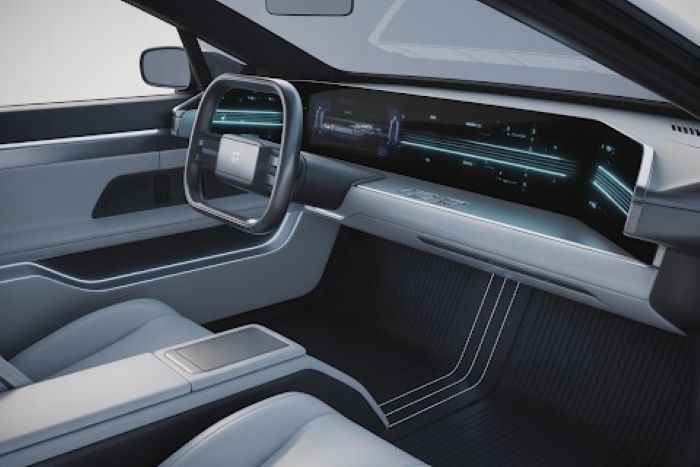
The cabin of 2025 cars feels more like a personalized smart space. AI systems adjust climate, music, and display settings automatically based on your habits. Voice assistants are more intuitive, reducing the need for buttons and making driving more seamless.
Modern Interior Upgrades and Smart Protection
As car interiors become smarter and more personalized, comfort and durability matter more than ever. That’s why many drivers are upgrading to all weather floor mats, which protect the cabin from dirt, spills, and harsh conditions without sacrificing style. High-quality car floor mats now come with improved materials and better grip, making them a practical addition to tech-enhanced interiors. These upgrades keep vehicles cleaner while enhancing the overall premium driving experience.
Digital Services Enhance Ownership
Automakers are offering new digital services like remote diagnostics, customizable infotainment, and premium navigation features. These tools improve convenience and create a more interactive experience that continues well after the car leaves the showroom.
Commercial Fleets Adopt Smart Technologies
Commercial vehicles are experiencing a tech transformation too. With electrified fleets, real-time telematics, and predictive maintenance, companies save fuel, reduce downtime, and optimize deliveries. This trend is reshaping logistics and supply-chain efficiency.
Smart Routing Improves Delivery Speed
AI-powered routing helps fleets choose the most efficient paths based on traffic, weather, and battery levels. This reduces delays and cuts operational costs, making logistics more predictable and sustainable.
Challenges Holding the Automotive Industry Back
Even with rapid progress, the automotive industry faces real obstacles. Supply chain issues, semiconductor shortages, and high battery material costs slow down production. Automakers also struggle to hire enough software talent, which is essential for modern cars.
What Comes After 2025
Looking beyond 2025, the biggest breakthroughs will likely come from battery innovations, widespread V2X adoption, scalable autonomous systems, and deeper integration of vehicles with the energy grid. The industry is entering a new era where cars become smarter ecosystems rather than just machines.
Conclusion
The automotive landscape in 2025 is fast, exciting, and full of transformation. EVs are mainstream, cars are smarter than ever, and digital technology is steering the automotive industry toward a connected future. While challenges remain, the direction is clear: mobility is becoming cleaner, safer, and more intelligent. For drivers and businesses alike, this year marks the beginning of a new automotive era.