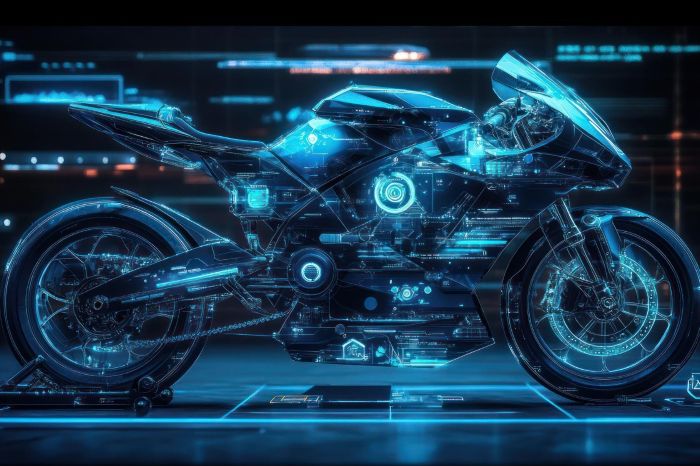
Riding a motorcycle requires different awareness than driving a car. Riders face weather, are more vulnerable to injuries, and can be overlooked by distracted drivers. Even careful riders can encounter risks due to road hazards or sudden traffic changes. That’s why motorcycle safety now includes technology alongside helmets and gear. Rider assist technology enhances how motorcycles respond to dangers.
Features like anti-lock brakes, traction control, blind spot detection, and collision warnings help riders avoid mistakes and react quickly. While technology can’t prevent all crashes, it can reduce serious accidents and improve safety. And if you’re injured in a collision involving preventable hazards or driver negligence, a motorcycle accident lawyer can help you pursue compensation and investigate whether safety failures played a role in the crash.
Key Takeaways
- Motorcycle safety requires awareness of unique risks, and technology now plays a crucial role alongside gear.
- Rider assist technology enhances safety with features like ABS, traction control, and blind spot monitoring, helping to prevent accidents.
- Anti-lock brakes and traction control assist in maintaining control during braking and acceleration, especially in challenging conditions.
- Adaptive cruise control and collision warnings improve riding safety by helping maintain distance and alerting riders to nearby vehicles.
- Despite these technologies, riders must still practice safe riding and stay aware of their surroundings to avoid accidents.
Table of contents
- What Rider Assist Technology Actually Means
- Anti-Lock Braking Systems And Emergency Stability
- Traction Control And Cornering Safety
- Adaptive Cruise Control And Safer Following Distance
- Blind Spot Monitoring And Collision Warning Systems
- Electronic Suspension and Road Surface Control
- Emergency Assist Features And Crash Detection
- Why Technology Can’t Replace Safe Riding And Driver Awareness
- Technology Is Changing Motorcycle Safety—And Accountability Still Matters
What Rider Assist Technology Actually Means
Rider assist technology refers to electronic safety systems designed to help riders maintain control and avoid crashes. These systems don’t replace skill or experience—they support it by improving stability, braking, traction, and awareness. Think of them as “safety helpers” that step in when conditions become dangerous or when a rider needs extra support.
These features are especially valuable because motorcycles respond differently than cars. Braking too hard can cause a skid. Turning too sharply can lead to a slide. A small loss of traction can become a serious crash. Rider assist systems are built to reduce those risks by controlling braking pressure, monitoring wheel speed, and helping maintain balance during emergency maneuvers.
Anti-Lock Braking Systems And Emergency Stability
Anti-lock braking systems (ABS) are one of the most important safety advances in modern motorcycles. ABS prevents wheels from locking during hard braking, which helps reduce skidding and allows the rider to steer while slowing down. In many real-world crashes, riders lose control not because they don’t brake—but because the braking causes a skid or front-wheel lock.
ABS is especially helpful in wet conditions, loose gravel, or sudden traffic stops. Even experienced riders can misjudge braking pressure in an emergency. ABS gives riders a safer margin of error, helping prevent the kinds of falls and slide-outs that often lead to broken bones, road rash, and head injuries.
Traction Control And Cornering Safety
Traction control is designed to prevent rear-wheel spin by adjusting power delivery when the tire loses grip. It helps riders maintain stability when accelerating, especially on slick surfaces or uneven roads. This technology can be a major safety advantage because loss of traction is one of the most common causes of motorcycle wipeouts.
More advanced systems also include cornering traction control, which adjusts traction response based on lean angle. That matters because motorcycles behave very differently when turning. If a rider accelerates too hard mid-corner, the rear wheel can slide and cause a crash. Cornering technology helps reduce the risk of sudden loss of control during turns.
Adaptive Cruise Control And Safer Following Distance
Adaptive cruise control—common in newer cars—is now appearing on some advanced motorcycles. It uses radar sensors to detect vehicles ahead and automatically adjusts speed to maintain a safer following distance. This is especially helpful during long highway rides, where fatigue can build and reaction time can drop.
While it doesn’t prevent every hazard, adaptive cruise can reduce rear-end risks, prevent unintentional tailgating, and help riders stay steady in traffic flow. It also supports safer, more consistent riding by reducing sudden speed changes that can lead to instability, especially when traffic slows unexpectedly.
Blind Spot Monitoring And Collision Warning Systems
One of the most dangerous realities for riders is that drivers often don’t see them. Lane-change crashes, sudden merges, and “I didn’t see the motorcycle” collisions remain some of the most common causes of serious injuries. Rider assist technology is beginning to address that with blind spot monitoring and collision warning systems.
These systems use radar sensors to alert riders when a vehicle is in their blind spot or approaching quickly from behind. Some also offer forward collision warnings that alert riders when they’re closing in too fast on a vehicle ahead. These alerts can help riders make safer lane changes, avoid being boxed in, and react sooner when traffic shifts.
Electronic Suspension and Road Surface Control
Road hazards are a major threat to motorcycles. Potholes, uneven pavement, wet paint lines, gravel, and sudden bumps can destabilize a bike. Electronic suspension systems help by adjusting stiffness and responsiveness based on riding conditions. Instead of relying on one fixed suspension setting, these systems respond dynamically to help keep the motorcycle stable.
Some modern motorcycles also include advanced stability systems that recognize when the bike is losing grip or leaning dangerously and automatically adjust braking and power. While this doesn’t eliminate risk, it can reduce the chance of high-speed wobble, loss of control, and sudden instability that often leads to a crash.
Emergency Assist Features And Crash Detection
Some rider assist systems go beyond prevention and help after a crash occurs. Crash detection technology can recognize sudden impacts, abnormal movement, or a hard stop and automatically alert emergency contacts or services. This can be especially important when a rider crashes alone on rural roads or during nighttime rides where no one witnesses the incident.
Emergency assist features may also include hazard light activation, GPS location reporting, and smartphone integration that sends alerts if the rider becomes unresponsive. These tools don’t prevent injuries, but they can reduce the time it takes to get help—which can be life-saving in cases involving major bleeding, head trauma, or spinal injury.
Why Technology Can’t Replace Safe Riding And Driver Awareness
Even with new technology, motorcycles remain vulnerable because the biggest threat is often outside the rider’s control: other drivers. Many crashes happen because drivers are distracted, speeding, impaired, or careless around motorcycles. Rider assist tools can help riders react faster, but they can’t stop a driver from running a red light or drifting into a lane.
That’s why rider assist technology should be seen as an added layer of protection—not a substitute for defensive riding, visibility habits, and safety training. Riders still need to assume they may not be seen, leave space, avoid blind spots, and ride with caution. Technology helps, but smart riding choices still matter every day.
Technology Is Changing Motorcycle Safety—And Accountability Still Matters
Rider assist technology is improving motorcycle safety. Features like ABS, traction control, blind spot monitoring, adaptive cruise control, and crash detection help riders reduce risks and avoid accidents. These systems make motorcycles smarter and more stable.
However, technology can’t prevent every crash, especially those caused by careless drivers. When a rider is injured due to negligence or bad road conditions, building a strong claim is important to ensure the victim isn’t stuck paying for someone else’s mistakes.