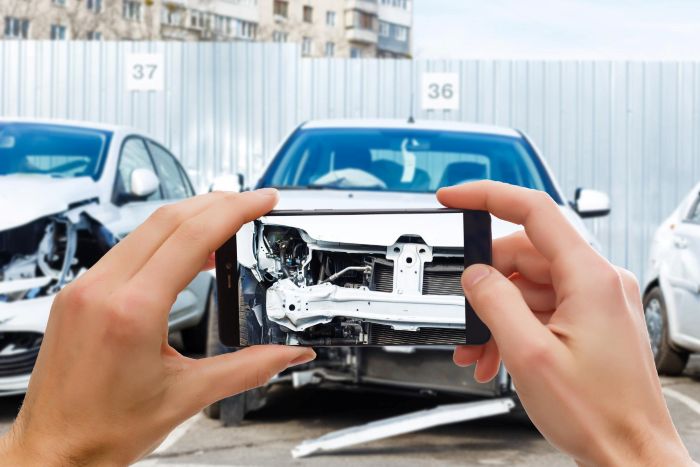
Hit-and-run accidents leave victims in a uniquely difficult position. Without the at-fault driver present, questions about responsibility, insurance, and recovery become more complicated. In the past, these cases often relied heavily on eyewitness accounts and limited physical evidence. Today, however, advances in automotive technology are transforming how these incidents are investigated and resolved.
Modern tools are making it easier to identify fleeing drivers, reconstruct accidents, and preserve critical evidence. For victims, this shift can make a meaningful difference in pursuing accountability. Working with an experienced Salt Lake City auto accident lawyer can help ensure that these technological resources are effectively used to support a strong case.
Table of contents
- Surveillance Cameras Are More Widespread Than Ever
- Dashcams Provide Real-Time Evidence
- Vehicle Data Recorders Offer Insight Into the Crash
- License Plate Recognition Technology Expands Identification Capabilities
- Connected Vehicles and Telematics Systems Add New Layers of Data
- Mobile Phones and Digital Footprints Play a Role
- Accident Reconstruction Has Become More Precise
- Social Media and Public Awareness Can Generate Leads
- Challenges Still Exist Despite Technological Advances
- Why These Advances Matter for Victims
- A New Era of Accountability in Hit and Run Cases
Surveillance Cameras Are More Widespread Than Ever
One of the most significant developments in hit-and-run investigations is the increased presence of surveillance cameras. Traffic cameras, security systems on businesses, and even residential doorbell cameras can capture crucial footage of an accident or the vehicle involved.
This expanded network of visual data makes it more likely that a fleeing driver’s vehicle can be identified. License plates, vehicle color, and direction of travel can all be captured, providing investigators with valuable leads that were once difficult to obtain.
Dashcams Provide Real-Time Evidence
Dashcams have become increasingly popular among everyday drivers. These devices record continuous footage of the road, capturing events as they happen. In hit-and-run cases, dashcam footage can provide direct evidence of the collision and the vehicle responsible.
Even if the victim’s vehicle does not have a dashcam, nearby drivers may have recorded the incident. This real-time documentation can help establish what happened and reduce reliance on conflicting witness accounts.
Vehicle Data Recorders Offer Insight Into the Crash
Many modern vehicles are equipped with event data recorders (EDRs), often referred to as “black boxes.” These systems capture information such as speed, braking, and steering input in the moments leading up to a collision.
In hit-and-run investigations, this data can help reconstruct the accident and clarify how it occurred. While it may not identify the fleeing driver directly, it provides valuable context that supports the overall case.
License Plate Recognition Technology Expands Identification Capabilities
License plate recognition (LPR) systems are increasingly used by law enforcement and private entities. These systems automatically scan and record license plates as vehicles pass through certain areas.
If a hit-and-run vehicle travels through an area equipped with LPR technology, it may be possible to track its movement and identify the registered owner. This can significantly speed up investigations and improve the chances of locating the responsible party.
Connected Vehicles and Telematics Systems Add New Layers of Data
Modern vehicles often include telematics systems that collect and transmit data about vehicle performance and location. In some cases, this information can be accessed to provide additional insight into an accident.
For example, fleet vehicles or rideshare cars may have tracking systems that record routes and activity. This data can help determine whether a specific vehicle was in the area at the time of the crash, adding another layer of evidence.
Mobile Phones and Digital Footprints Play a Role
In today’s connected world, mobile phones can also contribute to investigations. Location data, timestamps, and communication records can sometimes be used to place a driver near the scene of an accident.
While access to this information typically requires legal authorization, it can be a powerful tool in cases where other evidence is limited. Digital footprints can help fill gaps and support other findings.

Accident Reconstruction Has Become More Precise
Advances in technology have improved the accuracy of accident reconstruction. Investigators can now use software, 3D modeling, and data analysis to recreate the sequence of events leading up to a crash.
This level of detail helps clarify how the accident occurred and can support claims when liability is disputed. Even in hit-and-run cases, reconstruction can provide a clearer understanding of the incident.
Social Media and Public Awareness Can Generate Leads
Social media has become an unexpected but valuable tool in hit-and-run investigations. Witnesses may share photos, videos, or descriptions of the incident online, helping to spread awareness and generate leads.
In some cases, community members may recognize the vehicle or driver, providing information that helps move the investigation forward. This collective awareness can play a significant role in identifying those responsible.
Challenges Still Exist Despite Technological Advances
While technology has improved the investigation process, challenges remain. Not all accidents are captured on camera, and some drivers may take steps to avoid detection, such as removing license plates or fleeing quickly.
Additionally, accessing and analyzing data can take time and may require coordination between multiple parties. Despite these challenges, technology has significantly increased the chances of identifying hit-and-run drivers compared to the past.
Why These Advances Matter for Victims
For victims of hit-and-run accidents, these technological developments offer hope. What was once a situation with limited options now has multiple avenues for investigation and evidence gathering.
These tools can help establish what happened, identify responsible parties, and support claims for compensation. They also reinforce accountability, ensuring that drivers cannot easily escape responsibility for their actions.
A New Era of Accountability in Hit and Run Cases
Advances in automotive technology are reshaping how hit-and-run cases are handled. From cameras and data recorders to digital footprints and reconstruction tools, investigators now have access to a wide range of resources.
While no system is perfect, these innovations are making it harder for drivers to evade responsibility and easier for victims to seek justice. As technology continues to evolve, the ability to uncover the truth in hit-and-run cases will only continue to improve.