The promise of flying cars à la The Jetsons or of traveling 100 years into the future in a DeLorean from Back to the Future may still be a few years away, but the future of car tech is already taking shape in meaningful ways. There are plenty of incredible innovations fueling the development of smarter, safer vehicles. Automotive creativity is rapidly accelerating due to tools such as artificial intelligence, smart autonomous features, edge computing, and increasingly sophisticated human-to-machine interfaces.
Finding a car that fits into these molds has never been easier. Consumers can now log in to Facebook Marketplace or browse local dealerships online to select the best AI-enabled features and infotainment options before using car shipping companies to get that vehicle home safely. The more these technologies mature, the greater their impact will be on how everyone drives to school, commutes to work, or hits the road for a long weekend trip. Here is just a small sample of what innovations are driving tomorrow’s car technologies.
Table of contents
- Advancements in Autonomous Driving: The Path Toward Fully Self-Driving Cars
- The Role of Artificial Intelligence in Enhancing Vehicle Safety Features
- Sustainable Innovations: Electric Vehicles and Eco-Friendly Automotive Solutions
- Connectivity and Infotainment: Transforming the In-Car Experience
- How Car Shipping Companies Are Leveraging Smart Vehicle Technology for Safer Transport
- The Future of Car Tech: A Smarter Road Ahead
Advancements in Autonomous Driving: The Path Toward Fully Self-Driving Cars
Current estimates say fully autonomous driving will be readily available to buyers sometime in 2035. However, many of the features that will be in those cars are already available in what you can find on the market today. These are marked as “almost self-driving” because they have high levels of autonomy already in place. That could be something like adaptive cruise control to avoid getting too close to other cars, automatic emergency braking when a ball crosses the street, or hands-free parallel parking in tight spaces around your favorite brunch spot.
Advanced driver-assistance systems (ADAS) have never been as integrated as they are right now. Premium cars like Tesla and Lexus let you fully remove your hands from the steering wheel for highway trips, parking, and navigating congested traffic. The greater the sensor fusion and computing power in the vehicle, the less you have to pay attention.
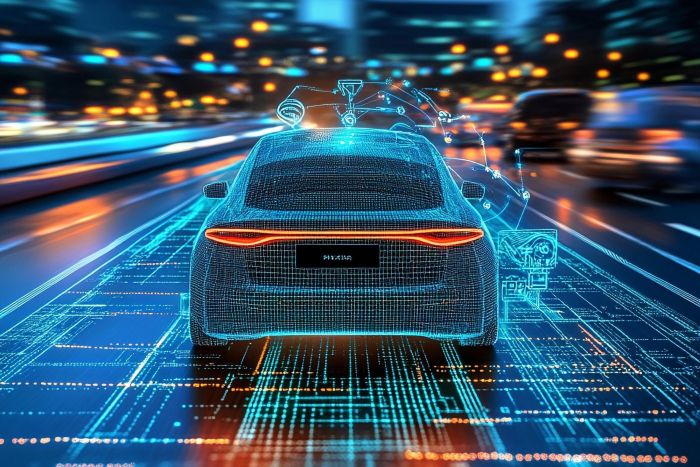
All data from cameras, radar, LiDAR, and ultrasonic sensors is processed in the vehicle, where edge computing interprets everything from road behavior to weather interference to ensure you have a relaxing, comfortable ride. With all these new features, it is only logical that some buyers are asking questions about how these innovations ensure safety.
The Role of Artificial Intelligence in Enhancing Vehicle Safety Features
Artificial intelligence is only getting stronger. Instead of more traditional, rule-based software, AI can learn from datasets in real time. That helps uncover driving patterns and anticipates risks to your well-being. It’s common to see AI systems in vehicles for monitoring fatigue or distractions. You can see many new Toyotas with predictive collision-avoidance systems and intelligent blind-spot detection.
AI is being designed so the system can better interpret the environmental inputs as you hit the road. Pedestrians crossing, erratic driving, and sudden lane shifts are all routed through a split-second system to help you get to the local coffee shop as safely as possible.
The same adaptive AI helps keep your car in good condition. Predictive maintenance has been around since 2023 and delivers high-quality results. Even AAA recommends it when searching for a vehicle to purchase. That is because such safety systems help you avoid unexpected downtime, save a little on costs, and enhance road safety for your vehicle and everyone around you.
Sustainable Innovations: Electric Vehicles and Eco-Friendly Automotive Solutions
The logistics of car tech are also moving toward more sustainable options. Car shipping companies like Nexus Auto Transport are seeing an uptick in the pickup and delivery of electric vehicles (EVs). That is because cars like the Chevrolet Equinox EV or the Nissan Leaf are becoming more affordable, thanks to efficient, cleaner battery systems.
Modern EVs have drastically lower greenhouse gas (GHG) emissions than traditional combustion engines. As new battery technologies like lithium iron phosphate (LFP) improve energy density and reduce reliance on scarce minerals, so does the lifespan of these vehicles.
Governments are taking notice of such innovations and investing heavily in modern EV infrastructure, such as local charging stations at banks, schools, libraries, grocery stores, and parks. Many manufacturers are taking this eco-friendly movement one step further by using advanced aerodynamic engineering and recycled fabrics and plastics in interior systems. It’s a new age of design, and that only helps the consumer. The only trick now is getting that brand new EV home.
Connectivity and Infotainment: Transforming the In-Car Experience
While having an EV you can plug in at night to charge is rewarding, you also want the modern features of audio, video, and comprehensive software for your new ride. That is where human-machine interfaces (HMIs) and advances in infotainment are making a big splash.
It’s common now to see large integrated touchscreen displays in cars controlling everything from Bluetooth-enabled playlists to where to blast the heat on a cold winter morning. Those same controls can be voice-activated, enabling hands-free chats with family to update the shopping list before heading to a local farmers’ market.
Drivers can step into their vehicle and find a personalized digital profile with infotainment preferences starting automatically at the push of a button. What is likely to be more integrated in 2026 are navigation cues using augmented reality head-up displays (AR-HUDs) like the Audi A4 or over-the-air updates (OTA) via Ford and Tesla.
The more vehicles become mobile digital ecosystems, the more drivers can remain connected with friends, family, entertainment, news, and real-time road updates while on the road. The in-car experience is only getting more immersive.
How Car Shipping Companies Are Leveraging Smart Vehicle Technology for Safer Transport
The good news is that car shipping companies are using the same types of new technologies to help you get your ride from point A to point B. While you’re enjoying a partially autonomous vehicle, domestic transport companies like Nexus Auto Transport are leveraging advanced sensors, GPS tracking, and telematics to deliver efficient, transparent, and reliable fleet management to all consumers.
Advances in such technologies ensure remote diagnostics can confirm your EV battery’s health or help a truck driver ensure a more predictable delivery timeframe after a winter storm. They help companies comply with interstate transport laws and provide more accurate quotes or estimates using free car shipping cost calculators.
When you use a company like Nexus Auto Transport, you’re getting an expert familiar with heavier EVs whose batteries are located in places that shift the car’s balance point. Modern companies like this use digital inspection tools, provide high-resolution images, verify information with time-stamped documentation, and deliver faster, more accurate results with AI-enabled dispatch and route-planning tools.
The future of car tech is only going to get more sophisticated. You want transparent carriers that use the same tools for everything from shipping insurance to verifying your route is open and clear so your car arrives where it’s needed, when it’s needed. That is the difference with Nexus Auto Transport.
The Future of Car Tech: A Smarter Road Ahead
Traditional car development focused on vehicle power and rider comfort. Today, those same standards are present, but are equally defined by technology integration and sustainability. With drivers demanding smarter energy infrastructure, car connectivity, and premium features, the future of car tech is looking bright.
Once you’ve selected the “car of tomorrow” for your personal, business, or family use, be sure to partner with the best car transport companies that use those same tools in providing quality service. That way, you can rest easy knowing your innovative ride will arrive in your driveway safe and ready for wherever you want to journey next.