Driver-assist technology is common in cars today, including lane-keeping alerts, adaptive cruise control, and automatic emergency braking. While these systems can help prevent some accidents, they can create confusion after a crash. One driver might say, “The car didn’t brake,” while another could respond, “You shouldn’t have relied on it.” The manufacturer may refer to the owner’s manual, and insurance adjusters could ask questions that many drivers haven’t considered.
Determining responsibility in a driver-assist crash depends on evidence: what the system was designed to do, how it was used, whether it malfunctioned, and whether another driver was negligent. These cases can involve multiple parties, so preserving evidence is crucial. If you were injured in such a crash, Dow Law Firm can help you understand liability and protect the evidence needed to clarify what happened.
Key Takeaways
- Driver-assist technology can help prevent accidents but raises confusion about responsibility after a crash.
- Determining liability involves the driver’s actions, system performance, and potential negligence of others.
- Evidence like event data logs and calibration records plays a crucial role in evaluating driver-assist crashes.
- Maintenance and calibration issues can create liability for repair shops and manufacturers, not just drivers.
- Multiple insurance policies often complicate the resolution process in driver-assist collision cases.
Table of contents
- What Counts as a “Driver-Assist” System
- The Default Rule: Drivers Still Have Duties
- When the Driver May Be Responsible
- When Another Driver Is Responsible
- When the Vehicle or System Itself May Be at Fault
- Maintenance, Repairs, and Calibration Can Create Hidden Liability
- The Evidence That Matters Most in Driver-Assist Cases
- Why These Cases Often Involve Multiple Insurance Policies
- Responsibility Depends on What the System Did, What the Driver Did, and What Others Did
What Counts as a “Driver-Assist” System
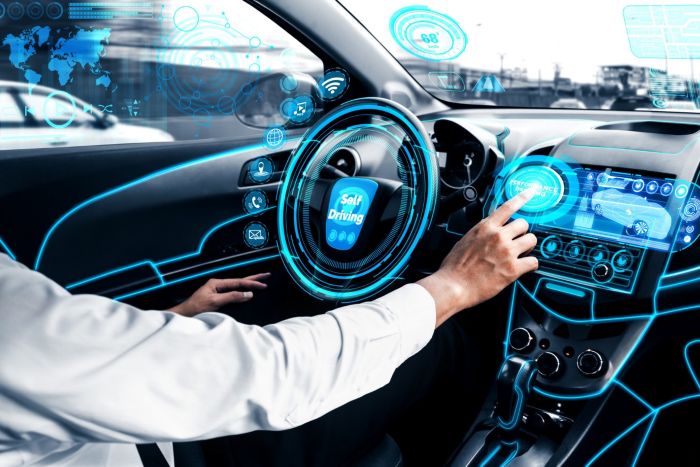
Most vehicles on the road today are not fully autonomous. Driver-assist systems are typically designed to support a human driver—not replace them. That includes features like automatic emergency braking, lane departure warnings, lane centering, adaptive cruise control, traffic jam assist, and parking assist.
The important legal point is that “driver-assist technology” is not a single system. Different vehicles have different capabilities, limitations, and conditions where the system may disengage or fail to detect hazards. Understanding exactly which feature was active—and what it was supposed to do—can shape who is responsible.
The Default Rule: Drivers Still Have Duties
In most driver-assist crashes, the first liability focus is still on the human drivers. A driver can’t typically avoid responsibility by saying, “The system was on,” if the driver was still required to supervise, maintain control, and respond to warnings. That includes basic duties like following at a safe distance, paying attention, and obeying traffic signals.
That said, driver-assist can complicate fault allocation. If the system behaved unexpectedly, failed to warn, or created a false sense of safety, it may raise questions about whether the manufacturer, software developer, or maintenance provider shares responsibility—especially if the crash would likely have been avoided with a properly functioning system.
When the Driver May Be Responsible
The driver may be responsible if they misused the system, ignored warnings, or relied on it in conditions where it is known to be limited—such as heavy rain, glare, construction zones, faded lane markings, or certain roadway configurations. A common issue is “overtrust,” where drivers treat driver-assist like autonomy and stop actively scanning and responding.
Drivers may also be responsible if they were distracted, drowsy, impaired, or otherwise not supervising the system as required. Even if the technology contributed, distracted driving can still be a strong independent cause of the collision.
When Another Driver Is Responsible
Many driver-assist crashes still happen because of old-fashioned negligence by another driver. Examples include unsafe lane changes, sudden stops, left turns across traffic, running red lights, or merging without checking blind spots. Driver-assist doesn’t eliminate the duty of other drivers to follow the rules of the road.
Insurers sometimes try to over-focus on the technology to make the case seem complicated and reduce payouts. But if the evidence shows a negligent driver caused the hazard and the collision would have happened even with perfect driver-assist performance, the primary responsibility may still rest with that negligent driver.
When the Vehicle or System Itself May Be at Fault
There are situations where product liability may be a real issue. If a driver-assist system malfunctions, fails to detect foreseeable hazards under expected conditions, or behaves unpredictably in a way that causes a crash, the manufacturer may share liability. That can involve sensor issues, software defects, faulty calibration, or failures in warnings and human-machine interface design.
Another factor is whether the system was marketed in a way that encouraged unsafe reliance. Overpromising capability through advertising or naming can create expectation gaps. If a system is presented as more capable than it truly is, that marketing context can become part of the liability analysis in some cases.
Maintenance, Repairs, and Calibration Can Create Hidden Liability
Driver-assist features rely on cameras, radar, sensors, and calibration. After certain repairs—like windshield replacement, bumper repair, alignment work, or collision repairs—systems often require recalibration. If calibration is missed or done incorrectly, the system can behave poorly or fail to detect hazards properly.
That creates potential liability beyond the driver and manufacturer. A repair shop, dealership, or technician may share fault if negligent work led to a malfunction. These cases often require repair records, calibration logs, diagnostic scans, and expert review to confirm what was done and whether it met standards.
The Evidence That Matters Most in Driver-Assist Cases
Crashes involving driver-assist features often turn on technical data and preserved electronic records. Early evidence collection is critical because some information can be overwritten or lost.
- Event Data Recorder (EDR) Information: Captures speed, braking, throttle input, and other pre-crash metrics.
- Manufacturer System Logs: May show when driver-assist features were engaged, disengaged, or issued warnings.
- Diagnostic Trouble Codes: Reveal system faults or malfunctions before or after the crash.
- Calibration Records: Camera and radar alignment documentation can indicate whether sensors were properly serviced.
- Engagement Data: Confirms whether adaptive cruise control, lane assist, or other features were active.
- Scene Conditions: Photos of lane markings, weather, lighting, and visibility help assess known system limitations.
- Video Evidence: Dashcams, traffic cameras, business surveillance, or onboard footage may show warnings, vehicle response, or actions of other drivers.
Why These Cases Often Involve Multiple Insurance Policies
A driver-assist crash can trigger multiple layers of insurance: the at-fault driver’s auto policy, the injured person’s own coverage (like UM/UIM), and potentially commercial policies if a repair shop or fleet vehicle is involved. If product liability is in play, corporate insurers may also become involved.
This can slow resolution because each party may deny responsibility and point to another. One insurer says it’s a driver issue. Another says it’s a product issue. That finger-pointing can stall settlement until evidence clarifies who caused what. A focused liability strategy helps prevent the case from being buried under “it’s complicated.”
Responsibility Depends on What the System Did, What the Driver Did, and What Others Did
In a crash with driver-assist technology, responsibility is rarely determined by a single factor. It can involve human decisions, system limitations, maintenance history, and the actions of other drivers. The strongest claims are built on early evidence preservation and a clear explanation of what should have happened versus what actually happened. When the facts are pinned down, the case becomes less about driver-assist technology buzzwords and more about accountability for preventable harm.