Tech content writing has changed fast in recent years. If you write about software, apps, or digital tools, you have felt it. Audiences expect clarity, speed, and value. They also expect content that feels current and useful. AI is helping out in all these arenas.
In 2022, human-created articles comprised about 95 percent. In 2025, that number had dropped to 52 percent. AI writing has become mainstream, and it is no longer a shortcut or a gimmick. AI has become a creative partner for writers who know how to use it well.
AI helps shape them faster and cleaner. When used right, it improves quality instead of replacing effort. In this article, we will look at some of the most practical ways AI is enhancing tech content writing, in particular.
Key Takeaways
- AI accelerates tech content writing by improving drafts without losing the author’s voice and style.
- AI simplifies research, saving time and helping writers focus on explaining complex topics rather than gathering facts.
- AI aids in local trend analysis, allowing marketers to better target their audience with relevant content.
- AI enhances the structure and flow of technical topics, ensuring clarity and maintaining reader engagement.
- AI optimizes content naturally, balancing readability while improving performance, ultimately supporting human creativity.
Table of contents
Smarter Research without the Headache
Research used to eat up hours of a writer’s time. AI now cuts that workload down. It scans massive data sources in seconds. You get summaries, patterns, and context without endless tabs. This helps tech writers stay accurate and current. You can quickly understand complex topics like cloud security or AI ethics.
Instead of copying facts, you focus on explaining them well. AI also helps spot outdated information before you publish. That alone saves your credibility. You still verify sources, of course. But AI gives you a strong starting point. This means less stress and better flow. You spend more time writing and less time hunting.
Readers feel the difference. Content becomes clearer and more confident. That is a win for both you and your audience.

Utilizing AI for Local Trend Analysis
Local trends matter more than ever in tech content. AI helps you spot what people search for in specific regions.
For instance, Austin, Texas, is enjoying good growth in the tech market. An Austin SEO agency can study this growth and identify trends using AI. That, in turn, will help them figure out local SEO patterns to target local tech buyers.
As Fahrenheit Marketing notes, local SEO is vital when targeting audiences who are searching the web with local intent. AI helps marketers understand this, ensuring smarter content and better search engine optimization strategies.
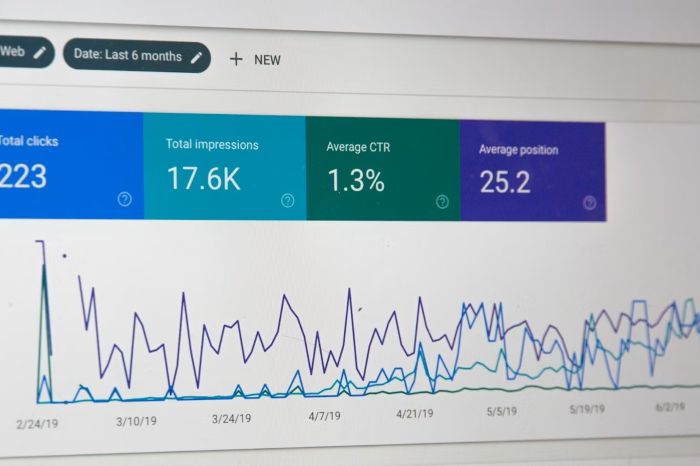
AI analyzes search engines and highlights shifts in search results. You can see what a local audience actually cares about. That shapes content in a more relevant way. Instead of guessing, you write with intent. And ranking improves when content matches local needs.
Better Structure and Flow for Technical Topics
Tech topics can get messy fast. AI helps you organize ideas before things spiral. It suggests logical structures that make sense to readers. This is huge for long-form tech content. You can break complex ideas into clean sections.
AI tools also flag confusing transitions. That keeps your writing smooth and readable. You still decide the final shape. AI just shows you where things feel off. This is helpful when explaining layered concepts. Readers do not want to reread paragraphs. They want clarity on the first try.
With AI support, your content feels more guided. It reads like a conversation, not a manual. That makes tech writing less intimidating. When flow improves, engagement usually follows. People stay longer and trust you more.
Faster Drafting without Losing Personality
Speed matters in tech writing. AI helps you draft faster without sounding robotic. It handles rough phrasing so you can refine tone. This is useful when deadlines are tight. You still control voice and style.
AI just helps clear the first hurdle. Think of it as a smart draft assistant. It gives you momentum when the page feels empty. You can rewrite freely once the ideas are down.

This reduces writer fatigue. It also keeps creativity alive. When drafting feels lighter, quality improves. You are less rushed and more thoughtful. Readers notice when writing feels relaxed. AI does not replace your voice. It helps protect it under pressure. That balance is what makes modern workflows sustainable.
Content Optimization That Feels Natural
Optimization used to hurt readability. AI changes that approach. It suggests keyword placement without stuffing. This keeps content natural and engaging. You can optimize without breaking your tone. AI tools also track readability levels. They help you stay clear and concise.
This matters for tech audiences with mixed knowledge levels. AI shows where sentences feel heavy. You can simplify without dumbing things down. That builds trust with readers.
Optimized content performs better and feels better. You do not have to choose between humans and algorithms. AI helps you serve both. When optimization feels invisible, you are doing it right. That is the kind of enhancement writers actually want.
AI is reshaping tech content writing in practical ways. It saves time, sharpens focus, and improves clarity. Most importantly, it supports human creativity instead of replacing it.
Writers who embrace AI gain an edge; they produce better content with less burnout. Readers get clearer explanations and more relevant insights. That is a fair trade.
Tech writing becomes less stressful and more enjoyable. The future of content is not human versus AI; it is human with AI.