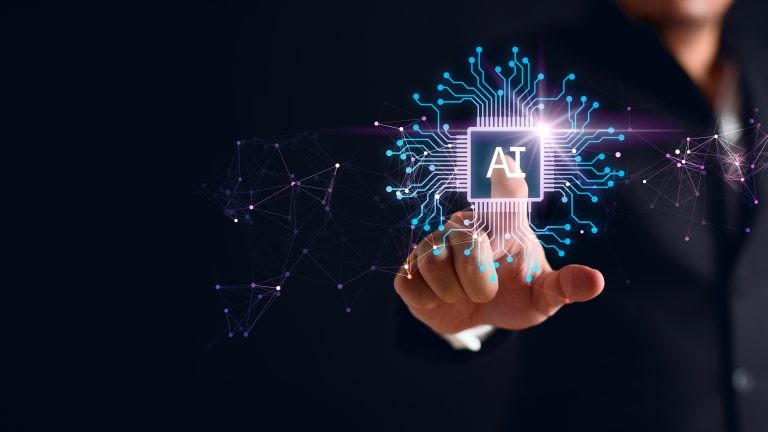
Artificial Intelligence refers to machines and systems. These are designed to mimic human intelligence and perform tasks traditionally requiring human intervention. In lighting design, AI involves the use of algorithms, data analysis, and machine learning to improve lighting systems. It enhances the overall environment.
AI can analyze data from various sources, such as sensor inputs, environmental factors, and user behavior. As a result, it can automatically adjust and optimize lighting conditions. The lighting design becomes functional, yet intelligent and adaptive to the needs of its users.
Key Takeaways
- Lighting Design leverages AI to optimize environments by analyzing data from various sources like sensors and user behavior.
- Choosing the right lighting depends on event scale: small gatherings need simple lights, while large events require more powerful setups.
- Colors and effects play a crucial role; dynamic lights enhance energy, while softer lights create intimate atmospheres.
- Budget considerations influence lighting choices, with affordable options suitable for smaller events and advanced equipment for larger ones.
- Adopting AI in Lighting Design poses challenges like privacy concerns, but it also promises intuitive and energy-efficient solutions for the future.
How to Comprehend Your Lighting Necessities
Selecting the correct DMX lights begins with understanding the kind of event you are planning to host. Are you planning a small casual get-together, or hosting a large-scale concert or festival? The type of venue, its dimensions, and the attendees you anticipate will greatly influence the lighting configuration you will require. An intimate setting of a small party will have completely different requirements. This is in comparison to a large celebration in an expansive indoor arena or an outdoor festival.
If a relatively smaller event is being organized, it might not be necessary to use sophisticated stage lights. This could mean that a few PAR LED or mini moving head fixtures will be sufficient.
On the contrary, massive gatherings with hundreds of participants will require larger fixtures to provide adequate light coverage. They need to create the intended effects. Managing your event’s energy and scale will assist you greatly in making the right decision for your lighting setup.
How Colors and Effects Can Be Powerful Tools in Lighting
The next step after determining the scale and nature of your event is deciding on the specific types of stage lighting effects you wish to include in the configuration.
- Creating the Perfect Atmosphere with Lighting
The lights during an event are essential. They can transform an occasion dramatically, depending on the color, type of light, and effects created. They set the mood for the event, whether you want it to be relaxed ambient or full of energy on the dance floor. - Dynamic Lighting for High-Energy Events
Energetic and lively events require shifting lights whose colors and intensity change quickly. Moving head lights are one example and can be used as dynamic light. They move around the venue, creating excitement and drama. These lights can also be programmed to the beat of the music. Thus, the crowd can enjoy the enhanced experience. - Soft and Romantic Lighting Effects
Softer LED lights and color filters provide a warm, intimate setting for those opting for romance. Blues, purples, reds, and softer colors are available for matching the theme.
Comparison of Size and Space
In this case, it’s wise to focus on the lights for DJs. The venue characteristics affect how you choose the lights to set up. For low-ceilinged and smaller spaces, you do not need extremely powerful lights capable of illuminating a wide area; basic par cans or LED lights will be suitable.
For larger venues with high ceilings or outdoor areas, moving head lights, lasers, and strobes would need to be placed to cover a wider range of more powerful shots. Consider how best to position the lights in the room. If placed optimally, they would not block some places without overpowering other areas.
Consider lights not only in terms of their ease of use, but also for their possible flexibility. Often, lighting trusses or rigs are employed to gain height with the lights, allowing them to be more freely placed.
Setting Financing Limits for Your Lighting Setup
Your budget plays an important role when selecting moving lights. High-quality professional lighting setups can be really pricey, particularly if you are purchasing high-quality moving heads or lasers.
For those just getting started or planning smaller events, budget lighting packages often come with a set of LED lights, par cans, and basic effects.
Although sometimes spending more seems like a good idea, remember that for smaller events, affordable equipment will do the job. Simple budget LED lights with basic effects can create a lively ambiance for small or casual events.
If you have greater resources, purchasing advanced lights and controllers allows for more operational freedom. You gain crowd control of the lighting effects, enabling easier change of the lights in relation to the music and further customization.
Orchestrating Light Displays with Music
An important component of a successful DJ lighting setup is incorporating sound-based light activation. Lights that change in time with the beat can bring a new level of energy to the given event. Most modern DJ lights include built-in sound activation modes, enabling automatic reaction to the beats of the music.
For more advanced setups, DMX controllers can be used to program the lights and beats to your performance in real-time. This allows complete customization of effects, including colors, movements, and transitions based on the music intensity and the mood you aim to set.
Challenges and Ethical Considerations
Despite its numerous benefits, the adoption of AI in lighting design comes with challenges. Privacy concerns arise with data collection from sensors and cameras. Additionally, reliance on AI raises questions about cybersecurity risks and potential over-automation, which could reduce human control over lighting aesthetics.
Conclusion
The future of AI in lighting design is bright and full of possibilities. As technology evolves, AI-driven lighting will become more intuitive, energy-efficient, and aesthetically adaptable. From smart homes to sustainable urban developments and enhanced entertainment experiences, AI is set to revolutionize how we perceive and interact with light.
By embracing these advancements, the lighting industry can pave the way for a smarter, more sustainable, and visually engaging future