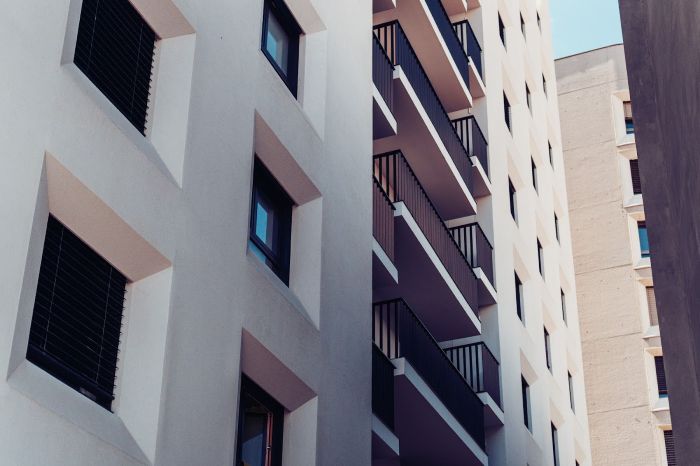
Luxury multifamily gates regulate thousands of entries each week using predictable logic. In a typical 300–500-unit community, that can mean several thousand vehicle events at the perimeter every week. In an emergency, however, the same logic can become a bottleneck, increasing the risk of emergency access failures. Access may depend on staff answering a call box or on pre-issued codes, which can delay verified responders at the gate. Long-standing cardiac-arrest guidance shows why this matters: survival odds drop by roughly 7–10% for every minute without CPR and defibrillation.
This vulnerability is well known in legacy gated systems and is magnified in large, multi-entrance communities across the United States. Gatewise, a leading provider of access solutions for multifamily communities, developed Smart AI Camera in response to this national safety gap. Built by Gatewise’s talented engineers, the on-site, emergency-aware system removes perimeter delays by recognizing verified responders as they arrive and triggering immediate gate opening.
Key Takeaways
- Luxury multifamily gates face delays during emergencies, risking responders’ access; traditional systems do not cater to unannounced emergencies.
- Gatewise developed the Smart AI Camera to allow automatic entry for verified responders, significantly reducing delays.
- Emergency-aware access operates on-site and uses real-time video analysis to recognize responders without human intervention.
- Privacy is maintained through local data storage; Smart AI Camera enhances security without constant cloud surveillance.
- Emergency access must be a core requirement in gate design to ensure quick responder entry, aligning with NFPA guidelines.
Table of contents
- Why Emergency Entry Belongs in the Site Plan
- Why Legacy Gates Create Delays When Seconds Count
- On-Site, Real-Time Recognition: A New Emergency-Aware Gate Mode
- How Gatewise’s Smart AI Camera Works at the Perimeter
- Privacy-First Emergency Access Without Surveillance Tradeoffs
- Operational Criteria That Demonstrate Emergency Access Readiness
- Designing Gates That Do Not Block Help
Why Emergency Entry Belongs in the Site Plan
Emergency crews arrive with limited time to solve obstacles. A delayed gate can mean help arrives late at a building. NFPA guidance is clear that security features must still allow quick, reliable access for responders.
Luxury multifamily communities are optimized for predictable resident traffic and visitor screening. Emergency response is the opposite condition. It is unannounced, high urgency, and cannot depend on resident action or staff availability. Smart AI Camera by Gatewise anticipates this unannounced urgency and enables automatic responder entry at the gate without emergency access failures.
Why Legacy Gates Create Delays When Seconds Count
Even well-managed properties share the same emergency blind spots. Visitor tools and access lists are built for planned arrivals. They do not solve the problem of an unannounced responder who must enter immediately.
Cloud-based systems add latency and a single point of failure. If the network drops, gates can default to closed when entry is required. This makes emergency recognition a function that must live at the gate itself, not in a remote server workflow.
On-Site, Real-Time Recognition: A New Emergency-Aware Gate Mode
An emerging approach treats emergency entry as its own operating mode. Instead of waiting for staff approval, an emergency-aware system identifies a verified responder vehicle and opens automatically. Edge-based intelligence enables that shift by processing video locally in real time.
The International Fire Code requires gates to support approved emergency operations so responders can enter without delay. Edge-based recognition supports that requirement by removing the need for human intervention.
How Gatewise’s Smart AI Camera Works at the Perimeter
Emergency-aware access succeeds when verified responders are recognized at the perimeter without pre-registration and without human intervention. Gatewise’s Smart AI Camera implements these functions in a deployed, single-unit system using on-device, real-time recognition tailored to luxury multifamily gates.
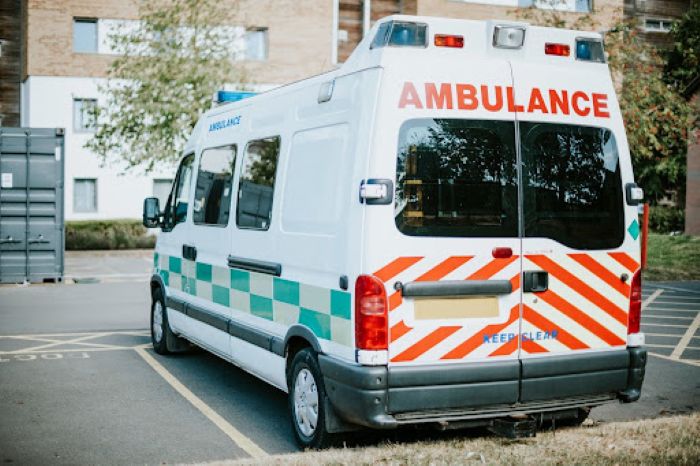
The device detects approaching police cars, fire trucks, and ambulances via live video analysis and automatically opens the gate. This eliminates reliance on staff verification or pre-registered emergency lists.
On-device AI using computer vision drives detection. Because recognition occurs at the gate rather than in the cloud, the system avoids additional latency and reduces failure modes associated with network-dependent access control. A built-in LTE connection allows independent operation, so loss of internet connectivity does not prevent emergency entry.
Privacy is protected through local SSD storage and federated learning. Footage remains on site. The model improves by sharing anonymized detection insights rather than resident video. The camera, TPU, SSD, and LTE modem are integrated into a single unit, enabling deployment without redesigning existing gate infrastructure. Emergency entry is faster, while privacy is preserved through local processing.
Privacy-First Emergency Access Without Surveillance Tradeoffs
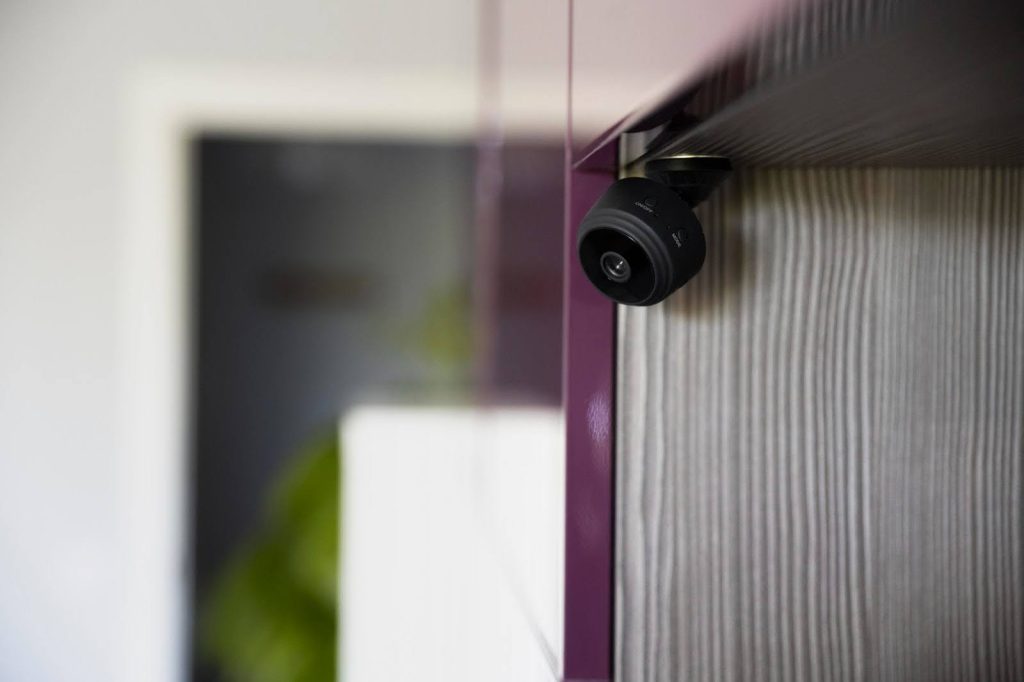
Residents in gated multifamily settings should not have to accept constant cloud surveillance to gain emergency readiness. By using on-device detection and federated learning, Smart AI Camera improves accuracy without exporting resident video.
This approach supports emergency preparedness while keeping resident data local and protected.
Operational Criteria That Demonstrate Emergency Access Readiness
Emergency access readiness can be evaluated against objective criteria tied to response time, autonomy, and privacy safeguards.
- Verify emergency entry time under real conditions using timed drills and walkthroughs.
- Confirm local responder access requirements with fire and EMS leadership.
- Require edge-based recognition that operates even during network failure.
- Confirm privacy safeguards through on-site storage and federated AI training rather than video export.
- Maintain emergency access as a standing operational function, not a one-time installation check.
Designing Gates That Do Not Block Help
Gates must remain secure for daily traffic while still opening immediately for verified responders. Edge-based emergency recognition enables both outcomes without requiring resident involvement or staff intervention.
Whether a community is designing new gates or evaluating existing ones, emergency access must be treated as a core technical requirement—not an optional add-on—specifically to prevent emergency access failures. Gatewise, in fact, strives to ensure this requirement is met and implemented consistently. Its Smart AI Camera fulfills this need through real-time on-device detection, autonomous operation, and privacy-first learning, eliminating common legacy delays at the perimeter.
Today, Gatewise is already improving emergency readiness across multifamily communities, currently in Texas, with plans to expand throughout the United States. By closing the long-standing safety gap in gated environments and enabling responders to enter without delay, Gatewise helps operators protect residents, strengthen community safety, and modernize their access infrastructure. In practice, this means communities gain both stronger security and faster emergency response—proving that thoughtful, on-site technology can make a measurable difference when seconds matter.