In today’s fast-paced digital economy, businesses are under constant pressure to do more with less. Rising operational costs, growing competition, and increasing customer expectations have made efficiency not just an advantage but a necessity.
For years, companies have relied on multiple SaaS tools to manage operations. From customer support systems and CRMs to analytics dashboards and content tools, each function required its own platform.
But now, that approach is starting to break. Businesses are facing tool fatigue, rising subscription costs, and fragmented workflows that slow teams down rather than empower them.
This is where AI platforms are changing the game.
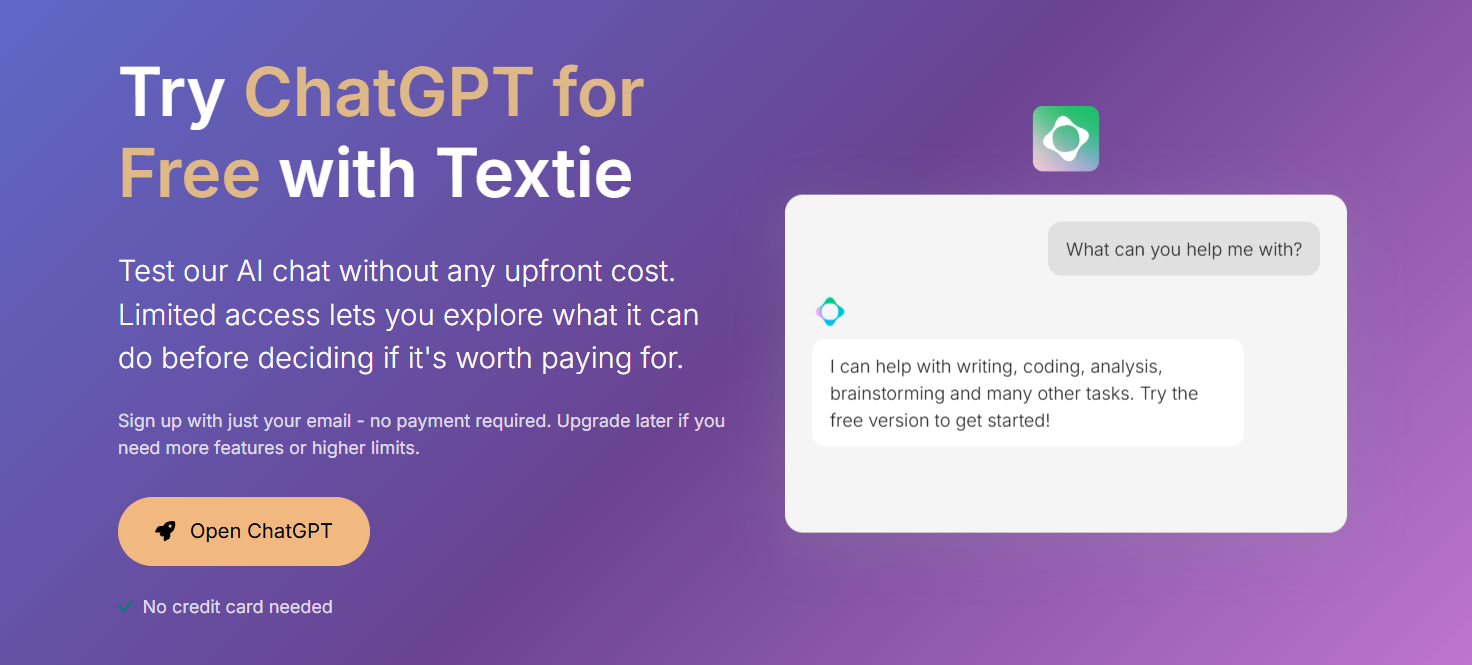
Instead of relying on dozens of disconnected tools, companies are now adopting unified AI for business solutions that streamline operations, automate workflows, and significantly reduce operational costs. Platforms like ChatGPT, Rytr, and Textie AI are taking this a step further by offering an all-in-one workspace that lets teams access powerful tools like ChatGPT for free, enabling faster content creation, smarter decision-making, and seamless automation without switching between multiple systems.
Table of contents
Too Many Tools, Not Enough Results
On the surface, SaaS tools seem like the perfect solution.
- Need customer support? Get a helpdesk tool.
- Need automation? Add another platform.
- Need analytics? Subscribe to yet another tool.
But over time, this creates a complex ecosystem that becomes difficult to manage.
1. Rising Subscription Costs
Each tool comes with:
- Monthly or yearly subscriptions
- Additional user-based pricing
- Feature upgrades
Individually, these costs seem small. But combined, they can quickly add up to thousands of dollars per month.
2. Tool Fatigue Across Teams
Employees often struggle with:
- Learning multiple platforms
- Switching between tools constantly
- Managing different workflows
This leads to:
- Reduced efficiency
- Increased frustration
- Higher training time
3. Productivity Gaps
Instead of focusing on meaningful work, teams spend time:
- Searching for information
- Repeating tasks across systems
- Coordinating between tools
This creates a massive productivity gap, one that most businesses underestimate.
The Shift: From SaaS Chaos to AI Simplicity
To solve these challenges, businesses are now moving toward centralized AI platforms.
These platforms bring together:
- Automation
- Communication
- Data processing
- Knowledge access
All in one place.
Instead of managing multiple tools, teams can now operate within a single intelligent system designed for efficiency.
What Is an AI Platform for Business?
An AI platform is more than just software; it’s a unified ecosystem that integrates various business functions into one system.
It typically includes:
- AI agents for automation
- Chatbots for customer and internal support
- Knowledge bases for instant information access
- Data analysis tools
- Workflow automation systems
This allows businesses to eliminate redundancy and streamline operations.
How AI Platforms Reduce Operational Costs
Let’s break down exactly how AI platforms help businesses save money.
1. Eliminating Multiple Tool Subscriptions
Instead of paying for:
- CRM tools
- Helpdesk software
- Chatbots
- Automation tools
- Content tools
Businesses can rely on one platform that does it all.
This reduces:
- Subscription costs
- Integration expenses
- Maintenance overhead
2. Automating Repetitive Tasks
AI platforms can handle:
- Customer inquiries
- Data entry
- Scheduling
- Reporting
By automating these tasks, businesses:
- Reduce manual workload
- Minimize errors
- Improve efficiency
This directly translates into cost savings.
3. Reducing Hiring Costs
Instead of expanding teams to manage growing workloads, businesses can use AI to handle routine operations.
For example:
- AI chatbots handle customer support
- AI agents manage workflows
- AI tools assist with content creation
This allows companies to scale without significantly increasing headcount.
4. Improving Decision-Making
AI platforms analyze data in real time, helping businesses make faster and smarter decisions.
Instead of:
- Manual reporting
- Delayed insights
Teams get:
- Instant analytics
- Actionable insights
Better decisions lead to better outcomes — and reduced waste.
5. Increasing Team Productivity
When everything is centralized:
- Teams work faster
- Communication improves
- Tasks are completed more efficiently
A unified system eliminates confusion and ensures everyone is aligned.
How AI Tools Help Businesses Reduce Costs
This is where modern AI-powered platforms make a real difference. Instead of juggling multiple disconnected tools, businesses can now bring everything into a single, streamlined environment. This approach reduces inefficiencies, minimizes complexity, and allows teams to focus on meaningful work rather than managing a scattered set of systems.
1. One Platform, Multiple Capabilities
Instead of using multiple tools, businesses can rely on a single AI for a business platform that combines:
- AI agents
- Chatbots
- Knowledge systems
- Automation tools
This reduces complexity and cost at the same time.
2. AI Agents That Work for You
AI agents can:
- Automate workflows
- Handle repetitive tasks
- Analyze data
This allows teams to focus on high-impact work instead of routine operations.
3. Smarter Customer Support
With AI-powered chatbots:
- Customers get instant responses
- Support teams handle fewer queries
- Response times improve
This reduces support costs while improving customer experience.
4. Centralized Knowledge Access
One of the biggest inefficiencies in businesses is scattered information.
AI Agents connects company data into one system, allowing employees to:
- Find answers instantly
- Access documents quickly
- Reduce internal communication delays
5. Easy Access to AI Tools
Instead of juggling different platforms, teams can use one system to:
- Generate content
- Analyze data
- Automate processes
For example, businesses can even leverage tools like ChatGPT within a unified environment — or simply ChatGPT for free — to speed up content creation, automate responses, and generate ideas without additional costs.
Real-World Impact: Cost Savings in Action
Let’s look at a simple scenario.
Traditional Setup:
- CRM: $50/month
- Chatbot: $40/month
- Helpdesk: $60/month
- Automation tool: $30/month
- Content tools: $50/month
Total: $230/month per team (minimum)
Now scale this across:
- Multiple departments
- Larger teams
Costs can easily exceed $1000–$3000/month.
AI Platform Approach:
- One platform
- One system
- Multiple functionalities
Lower cost + higher efficiency
Beyond Cost: The Strategic Advantage
While cost reduction is important, the real value of AI platforms lies in their ability to transform how businesses operate.
Faster Execution
AI automates tasks instantly, reducing delays and speeding up workflows.
Smarter Insights
Real-time data analysis helps businesses stay ahead of competitors.
Better Scalability
Companies can grow without increasing complexity or costs.
Improved Customer Experience
Faster responses and better support lead to higher customer satisfaction.
Why This Matters Now More Than Ever
The business landscape is evolving rapidly.
Companies that continue relying on fragmented tools will struggle with:
- Rising costs
- Inefficiencies
- Slower growth
Meanwhile, those adopting AI platforms will benefit from:
- Streamlined operations
- Reduced expenses
- Faster scalability
The Future: AI-Driven Business Operations
We are entering a new era where businesses are no longer defined by the tools they use, but by how efficiently they operate.
AI platforms represent the future:
- Fewer tools
- Smarter workflows
- Better results
Instead of managing software, businesses can focus on growth.
Final Thoughts
The traditional SaaS model is no longer sustainable for many businesses.
Too many tools create:
- Higher costs
- Lower productivity
- Operational complexity
AI platforms solve these problems by offering a unified solution that brings everything together.
Ready to Reduce Your Business Costs?
If your business is struggling with tool overload, rising expenses, and productivity gaps, it’s time to rethink your approach. Many businesses today are turning to an AI marketing agency or partnering with a marketing agency London brands trust to optimise operations, streamline workflows, and improve overall efficiency.
Explore how an AI for business platform can simplify your processes, reduce costs, and help your team perform at its best. And if you’re just getting started, you can even experiment with tools like ChatGPT for free to understand how AI can transform your workflows before scaling further.