
AI Moves from Tool to AI Companion
Artificial intelligence is moving from being a tool we use occasionally to becoming a layer that sits inside everyday digital life as an AI companion. A few years ago, most people experienced AI as a search result, a recommendation engine, or a chatbot that answered simple prompts. In 2026, that picture is much broader. AI can now speak in real time, respond to images and audio, remember context across conversations, and power characters that feel more continuous and personalized than the old one-shot assistants. That shift matters because it changes the role of AI from “software that helps with tasks” into “software that can simulate presence, continuity, and interaction.” For companion websites and apps, this is the foundation of the entire category.
Key Takeaways
- AI is evolving from a tool to an AI companion, enhancing user interaction and presence.
- Real-time multimodal interaction allows AI companions to communicate using speech, images, and text seamlessly.
- Memory systems help AI companions remember user preferences, making interactions feel more personalized and relevant.
- Character-driven experiences, like Joi AI, transform generic assistants into engaging, interactive personalities.
- Future AI companions will focus on trust, safety, and specialization across various domains, balancing capability, character, and control.
Table of contents
The Future Is Already Here
The most important thing to understand about the future of AI companions is that the future has already partly arrived. The latest international safety review of general-purpose AI says current systems can summarize text, generate images, write code, and perform at or above human-expert level on a growing set of standardized evaluations. AI coding assistants are already widely used, and some studies show developers completing certain tasks 20–30% faster with AI help. In other words, the big breakthrough is no longer whether AI can do impressive, isolated tasks—it can. The question now is how those capabilities are packaged into products that feel reliable, engaging, and emotionally legible to real users. That is exactly where AI companion apps enter the picture.
Real-Time Multimodal Interaction
Another achievement already visible is real-time multimodal interaction. OpenAI’s Realtime API documentation describes low-latency speech-to-speech interaction with multimodal inputs including audio, images, and text, while Google’s Gemini Live materials describe back-and-forth conversation that can also use camera, screen sharing, images, and files as context. For AI companion products, this changes everything. A companion is much more convincing when it can speak, pause, react quickly, notice what the user is showing, and respond in a way that feels situated rather than scripted. The future of companion apps will therefore be less about static chat windows and more about living interfaces that combine text, voice, vision, and eventually richer video presence.
The Power of Memory
One of the biggest weaknesses of early chatbots was that every conversation started from zero. This made them feel clever in short bursts but shallow over time. Modern systems can now reference saved memories and recent conversations to make responses feel more relevant and tailored, while still giving users controls to disable or manage that memory. This is especially important for AI companion platforms, because companionship only feels believable if the system can remember details, preferences, and patterns.
Character-Driven AI Experiences
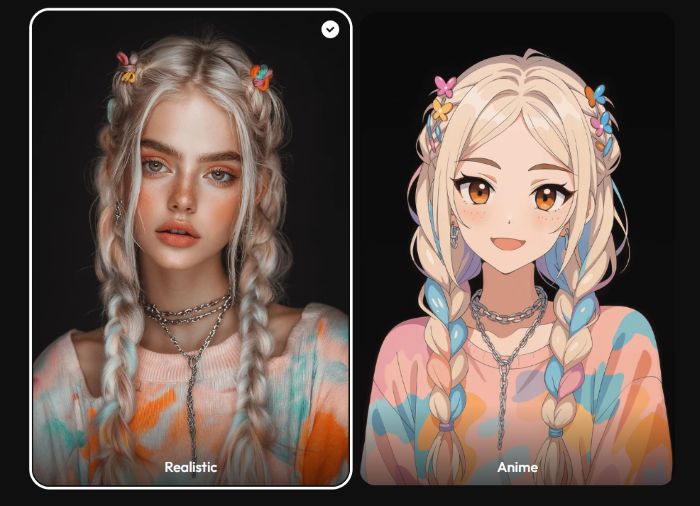
Joi AI is a useful example because its public materials show how companion products are evolving beyond simple chat. Its homepage presents the product as a place to talk with AI characters online, while its chat pages describe dynamic, personalized conversations with virtual companions. Its “About” page highlights real-time AI-powered chat, photos, and videos, focusing on AI relationships, creativity, and self-exploration. The best-known companion products are no longer generic assistants—they are becoming character-driven environments with identity, continuity, and multiple modes of interaction.
Platformization and Monetization
Another trend shaping AI companion websites and apps is platformization. Joi describes Basic and Premium subscriptions, plus a virtual economy for dialogue branches, themed avatars, voice responses, and personalization options. Users can create virtual characters, and verified creators confirm the right to use uploaded likenesses. Companion products are no longer just chatbots—they are marketplaces of characters, media systems, monetized identity experiences, and creator platforms. The strongest services will likely combine elements of social platforms, games, creator economies, and AI-powered personalized interaction.
Trust, Safety, and Regulation
The future of this category will not be decided by realism alone; it will be decided by trust. Current systems remain inconsistent, can hallucinate, and often perform worse in real-world conditions than in controlled tests. Joi’s public materials show companion platforms responding to these pressures: safety, transparency, fairness, and explainability are part of the product, not just side features. Age limits, guardrails, and content restrictions illustrate how AI companion products are evolving under regulatory and safety expectations.
What Comes Next
The most likely future is not a single super-app that replaces everything. Instead, it is a new layer of specialized AI companions with stronger memory, richer voice and video interaction, better emotional modeling, and persistent identities across devices. Some will focus on productivity, some on learning, wellness, entertainment, or companionship. The winners will balance three things at once: capability, character, and control. Without all three, the illusion breaks.
Joi is less interesting as a single brand than as a case study in where the whole category is going. Public product pages combine companion chat, media generation, personalization, and relationship framing. Public policies emphasize privacy, consent, safety, and age restrictions. This combination gives the clearest picture of the future of AI companion apps—they will become more immersive, character-based, multimodal, commercially sophisticated, and safety-conscious. The future of AI technology is not just smarter models; it is smarter products built around memory, identity, interaction, trust, and the ongoing rise of the AI companion.